Our Location
5th Floor, Huake Center, Lanshan District, Linyi City, Shandong Province, China

5th Floor, Huake Center, Lanshan District, Linyi City, Shandong Province, China
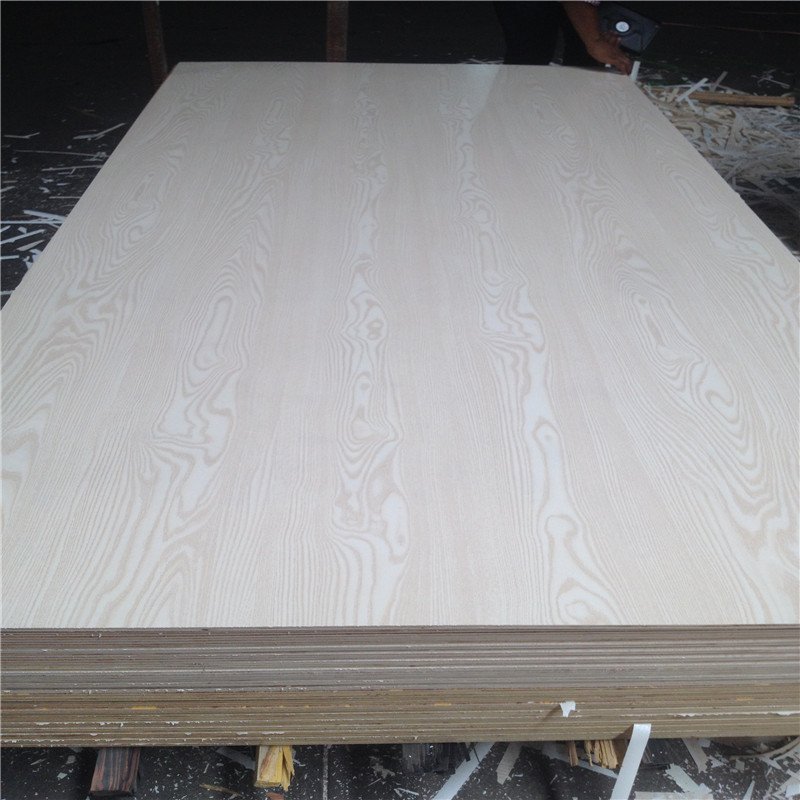
The yard hands you a sheet with no label, and the question what does structural plywood look like comes down to three marks — the stamp on the face, the crossed layers on the cut edge, and the working grade that the finish sheet never carries. These three reads separate the rated panel from the decorative sheet. This guide reads the stamp, the edge, and the face that identify the structural sheet.
The stamp is the first read, because the rated panel carries the mark that names the span rating and the exposure class while the finish sheet carries only the face grade. The stamp leads the identification. Read the mark against the drawing.
The mark names the framing spacing that the sheet bridges at the live load and the bond class for the exposure, because the stamp carries the two facts that the finish sheet never marks. The rated mark closes the identification. Match the stamp to the plan.
The face under the stamp shows the working veneer with the open patches and the occasional line, because the structural panel serves the load rather than the film. The working face marks the rated sheet. Read the grade against the eye.
The cut edge is the second read, because the rated panel shows the crossed veneers that run at right angles through the depth. The cross marks the sheet. Read the layers against the load.
The edge shows the odd count of plies that the panel was pressed from, because the balanced stack reads at the raw strip that the finish hides. The visible layers mark the class. Match the count to the depth and the duty that the drawing names before the sheet leaves the stack.
The thin glue lines between the layers read at the edge where the moisture reaches first, because the bond class shows as the dark line that holds the cross. The bonded edge marks the exposure. Read the line against the programme.
The face grade is the third read, because the structural sheet carries the working veneer while the finish sheet sorts the clean face for the film. The colour follows the species. Read the grade against the duty.
The structural face shows the patch and the open knot that the finish sheet sorts out, because the closed wall never reads the face that the site repairs. The working grade marks the rated panel. Match the face to the exposure of the eye.
The softwood face runs the light tone while the hardwood face reads the darker dense grain, because the species sets the colour that the eye follows. The tone hints at the family. Read the grain against the duty.
The floor, the wall, and the form each read the same three marks against the drawing, because the stamp and the edge identify the class that the bay asks for. Match each bay against the plan.
The subfloor takes the sheet whose stamp names the joist spacing and whose edge shows the deep count, because the walking load crosses the span that the rated panel bridges. The matched marks close the deck and keep the finish sheet out of the load path. Read the stamp against the framing and the drawing together before the order goes out.
The open wall takes the sheet whose bond marks the exterior class and whose edge shows the crossed layers, because the wind load transfers through the panel into the framing. The matched sheet closes the envelope and carries the bracing through the full tied line above.
The thickness still reads at the edge, because the deep deck panel and the thin lining show different counts at the raw strip. The sheet size reads at the corner. Match the read to the duty.
The edge shows the depth that the duty asked, because the floor panel reads deeper than the wall lining at the same family. The matched depth closes the bay. Read the edge against the joist line.
The sheet comes in the standard format that the truck carries, because the layout that names the pieces keeps the waste low while the seams land on the framing. The size reads at the stack. Plan the layout against the delivery.
Check the delivered stack against the ticket at the gate before the crew stages it, because the mixed pallet carries the finish panel that the floor should not take. Read the stamp and the edge on every sheet as it leaves the stack. Reject the mismatch before the panels reach the framing line.
The site cut still reads the blade and the support, because the clean cut keeps the edge readable for the count and the glue line that the class shows. Set the sheet on the full support before the cut starts, and keep the blade sharp against the resin that the glue line deposits on the teeth through the pass.
Seal every cut edge where the build leaves the panel exposed, because the open plys drink the moisture that swells the core while the sealed edge keeps the layers readable for the next check. Coat the edge before the sheet is fastened.
The read fails in a few familiar places: the finish sheet taken for the rated panel, the stamp ignored at the gate, and the edge read short of the count. Each mistake goes back to the marks rather than the sheet. Read, match, and hold.
A finish sheet taken for the rated panel flexes under the load that the stamped sheet holds, so read the stamp and the edge before the sheet leaves the stack. The matched marks close the order. Check every sheet at the gate.
A sheet ordered without reading the stamp arrives short of the span that the drawing asked for, so read the mark and the edge before the delivery is booked. The matched read keeps the plan honest.
The fastener schedule still reads on the installed panel, because the close spacing at the edge and the field line show the plan that the rating asked. The marks hint at the class. Check the line against the stamp.
Store the sheets on the flat stickers rather than the ground that wicks the damp into the bottom panel, because the stacked sheet stays flat and the stamp stays readable for the run that follows. Keep the cover off the top against the rain.
These are the questions buyers ask most about the marks.
Read the stamp on the face and the crossed layers on the edge, because the rated panel carries the span mark and the balanced count that the finish sheet never shows. Match the marks to the drawing.
The stamp names the span rating and the bond class, because the mark carries the two facts that connect the sheet to the framing spacing and the exposure. Read the stamp against the plan.
The edge shows the layer count and the glue line, because the crossed plies read at the raw strip that the finish hides. The balanced edge marks the class. Match the count to the depth.
The softwood face runs the light tone while the hardwood face reads the darker dense grain, because the species sets the colour. The tone hints at the family rather than the class.
Read the stamp, the edge, and the face against the drawing, and the question of what does structural plywood look like answers itself in the sheet that carries the three marks. The matched panel serves the build across the deck, the wall, and the form that carries the pour through the programme. When the run needs rated panels you can verify at the stack, HYY supplies sheets with the stamp, count, and grade marked on every panel, and the Commercial Plywood and Film Faced Plywood pages show the stock for the frame and the form. The complete plywood product range backs the order before the truck is booked.