Our Location
5th Floor, Huake Center, Lanshan District, Linyi City, Shandong Province, China

5th Floor, Huake Center, Lanshan District, Linyi City, Shandong Province, China
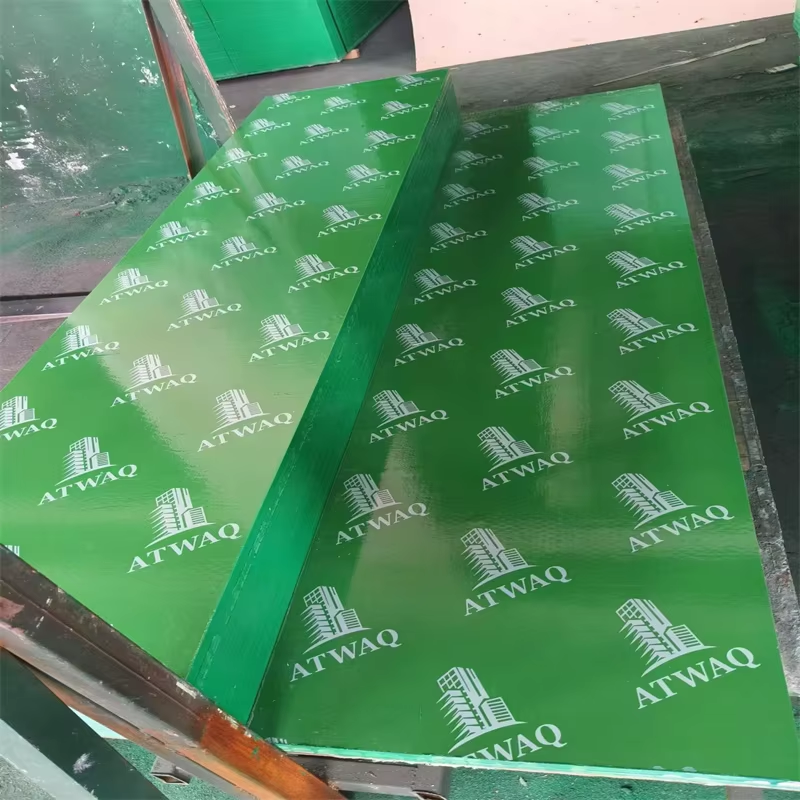
The sheet leaves the form with the smooth dark film, and the question at the bench — can you paint film faced plywood — turns on the resin surface that the film seals. The film that sheds the concrete also sheds the ordinary paint, because the closed face gives the coating nothing to grip. This guide reads the film, the adhesion, and the preparation that decides whether the paint holds.
The film is the surface the paint must grip, because the resin-impregnated paper is pressed onto the face to close it against the moisture and the concrete. The closed face serves the form. Read the film against the finish.
The film closes the grain so the concrete releases clean and the sheet reuses across the pours, because the sealed surface sheds the water that the raw veneer would drink. The closed face resists the coating. Match the finish to the surface.
The ordinary paint sits on the film without the tooth that the raw wood gives, because the sealed face leaves no open grain for the coating to lock into. The paint peels at the first rub. Read the surface before the brush, because the film that sheds the concrete also sheds the paint that the keyed face holds.
The preparation wins the adhesion that the film withholds, because the scratched and cleaned face gives the coating the key that the sealed surface lacks. The prepared face holds the paint. Read the steps before the tin opens.
Sand the film with the abrasive that opens the gloss without cutting through the panel, because the broken surface gives the primer the tooth that the smooth film withholds. Wipe the dust off the face. The keyed face holds the coat across the full panel, because the broken gloss gives the primer the tooth that the sealed surface withholds.
The primer bridges the film to the paint, because the coating that keys to the resin carries the finish that the raw paint cannot grip. Lay the primer over the sanded face. Let the bridge set before the topcoat.
The form panel that returns to the concrete does not need the paint, because the film already serves the release that the paint would compromise. Match the finish to the duty before the work starts.
The form that runs the pours keeps the film clean rather than the paint that the concrete strips, because the sealed face releases the cast while the painted layer peels into the work. Keep the form on the film. Read the duty against the finish.
The panel that stays visible after the build reads the paint, because the film that serves the form looks flat under the light that the finished line reads. The keyed and primed face holds the coat. Match the finish to the eye.
The coating that holds follows the key and the primer, because the topcoat grips the bridge that the sanding opened. The matched finish stays flat. Read the system against the exposure.
The topcoat lands on the primer rather than the film, because the bridge carries the colour that the raw resin sheds. Lay the coat in the thin passes that hold the line. The matched system closes the face and carries the colour through the traffic that the panel meets.
The exterior panel takes the coating system that the weather asks while the interior line serves the lighter finish, because the exposure sets the film that the paint must bridge. Match the system to the programme and the weather that the open line meets through the season.
The film still reads the exposure that the panel meets, because the sealed face that releases the concrete also sits against the weather at the open line. Match the film to the programme.
The cut edge still drinks the moisture that the filmed face sheds, because the raw plys at the side take the damp that the sealed surface never meets. Seal every cut edge before the install. Coat the edge on the bench before the lift.
The exposed panel takes the coating system that the weather asks, because the film alone ages under the sun that the painted line bridges. Match the finish to the exposure. Read the programme against the label and the finish it asks for, because the open line and the covered room take different coatings on the same film.
The dust left on the sanded face blocks the primer that the key opened, so wipe the face clean before the bridge lands. The clean key holds the coat. Check the surface under the light before the primer runs.
A thick coat runs and hides the line that the thin passes hold, so lay the topcoat in the light passes that sit flat on the bridge. The matched pass closes the face. Let each coat set before the next.
Seal the cut edge before the face is coated, because the raw plys drink the moisture that swells the core while the filmed face stays sealed. The coated edge holds the wet out. Check every edge before the topcoat runs.
The finish fails in a few familiar places: the paint laid on the raw film, the primer skipped, and the dust left on the sanded face. Each mistake goes back to the surface rather than the paint. Read, key, and bridge.
Paint laid on the raw film peels at the first rub, so sand the face to the key and wipe it clean before the primer. The keyed face holds the coat through the full run, because the broken gloss gives the primer the tooth that the sealed surface withholds from the brush. Check the tooth before the tin opens.
A topcoat laid without the bridge grips the film where the primer would hold, so lay the primer over the sanded face before the colour. The bridge carries the finish. Let the primer set before the topcoat.
Wipe the dust and the release off the face before the key, because the residue on the film blocks the primer that the sanding opens. Clean the surface before the abrasive runs. Check the face under the light before the primer lands, because the residue that the wipe misses blocks the bridge from below.
Store the sheets on the flat stickers rather than the ground that wicks the damp into the bottom panel, because the stacked sheet stays flat and the film stays clean for the run that follows. Keep the cover off the top against the rain.
These are the questions builders ask most about the finish.
The paint holds only after the film is keyed and primed, because the sealed face gives the raw coating nothing to grip. Sand the surface and lay the primer before the topcoat.
Sand the film to open the gloss, wipe the dust off, and lay the primer bridge, because the keyed and primed face carries the topcoat that the raw resin sheds.
The form keeps the film clean rather than the paint, because the sealed face releases the concrete while the painted layer peels into the cast. Match the finish to the duty.
The primer that keys to the resin carries the topcoat, because the bridge grips the film where the raw paint cannot. Read the product data against the surface.
Read the film, the key, and the primer against the duty, and the question of can you paint film faced plywood answers itself in the preparation that wins the bond. The keyed face holds the coat against the rub that the traffic line applies. When the run needs film faced sheets for the form or the finish, HYY supplies panels with the film and the grade marked on every sheet, and the Film Faced Plywood and Commercial Plywood pages show the stock for the form and the face. The complete plywood product range backs the order before the truck is booked.