Our Location
5th Floor, Huake Center, Lanshan District, Linyi City, Shandong Province, China

5th Floor, Huake Center, Lanshan District, Linyi City, Shandong Province, China
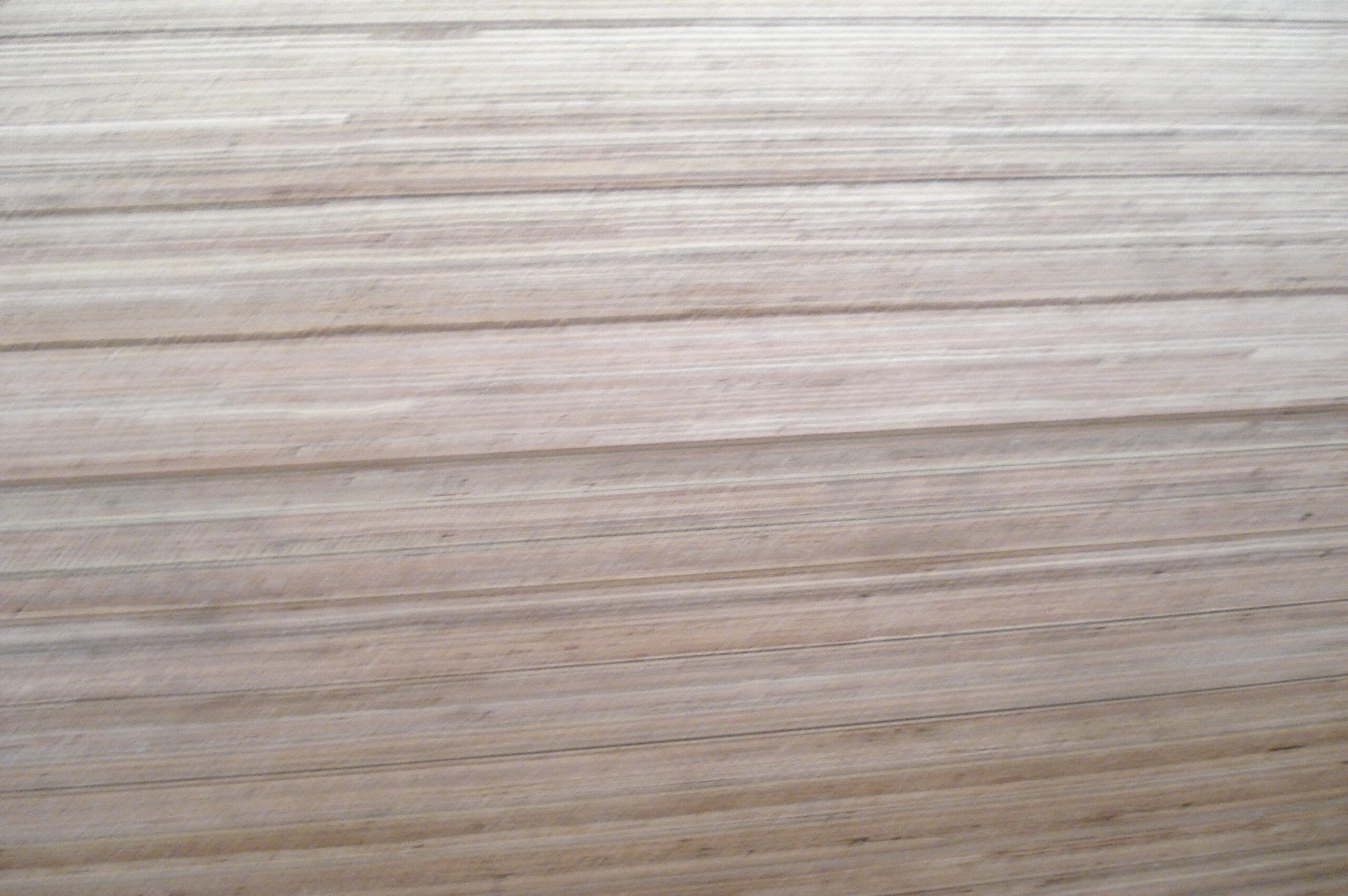
The d grade plywood price looks low on the shelf, and that low figure earns its cost by trading appearance for function. A D face carries knots, patches, and open defects that a utility buyer never sees in the finished job, while the structural core keeps the panel strong. This guide explains what the d grade price actually covers, how to compare it fairly, and where saving money on the grade is smart rather than risky.
The D face grade sits at the utility end of the letter ladder, and the reduced cost reflects the mill yield. Manufactures sort veneers, and sheets with visible defects get a lower grade and a lower price instead of rejection. The structural capacity of a D-face panel matches a premium face of the same thickness, so the price difference buys appearance, not strength.
Veneer sorting lets the mill sell every usable sheet, and lower-face sheets absorb defects that would waste a premium panel. The yield gain passes to the buyer as a cheaper sheet. Buyers who need hidden structural work effectively get the same load capacity as a premium panel for a fraction of the money.
A D-grade price does not promise a clean surface, a matched pair of faces, or a finish-ready veneer. Expect patched knots, grain variation, and minor open defects, and plan sanding or covering where the surface shows. The price also assumes a specific bond class, so confirm the glue rating before comparing with exterior panels.
A per-sheet sticker hides the variables that move the real cost. Compare the same size, sanded thickness, face grade on both sides, bond class, and delivery point across suppliers before judging. The per-sheet number means nothing until the specification matches line by line.
Per square meter and per cubic meter figures let you compare panels of different thicknesses cleanly, while per-sheet pricing suits a fixed retail size. Ask for the unit price alongside the sheet total, and confirm whether the quote includes cut-to-size, edge sealing, and delivery. A single-sheet retail price always runs higher per unit than a volume quote.
International d grade prices move with timber input and container rates, and the freight leg often rivals the mill price. Compare delivered cost, not just the board price, and confirm whether the quote lands at the port or at your door. Packing and insurance belong in the total, because a cheap sheet with poor transit protection arrives expensive.
| Component | What it covers |
|---|---|
| Mill price | Veneer, glue, pressing, and cutting |
| Face grade | Appearance and sorting yield |
| Bond class | Glue rating for the exposure |
| Freight and packing | Delivery route and transit protection |
| Cut size and sealing | Trim and edge finishing services |
The table splits the total into lines worth comparing. A quote that states every line makes the final price traceable and fair.
Hidden structural work is where a D-face sheet pays for itself. Subfloor, wall cavities, roof decking, staging, and covered framing never show the face, so the utility grade carries the same load as a premium panel at a lower price. Buyers who order D faces for these positions cut the panel spend without cutting the build quality.
Site protection, temporary decking, packing trays, and form backing consume panels that no one paints. A D-face sheet handles the abuse and costs less to replace. Keep the grade clearly labelled so a worker does not mistake a utility panel for a finished-visible sheet.
Crate floors, skids, and load spreaders suit D-grade panels because they take fasteners and impact without downgrading. The fir or softwood construction holds nails near the edge, and the low face cost keeps packing overhead down. Order the sheet count from the pack plan and buy the utility grade in volume.
A cheap D face becomes expensive where the surface shows or moisture threatens. Visible shelving, painted furniture, cabinet faces, and finished interiors want a premium or melamine face because sanding and finishing a rough D face costs more than buying the right grade. The price difference between grades repays itself in prep time and a polished result.
A sanded veneer or melamine face finishes quickly and looks uniform, while a D face needs filling and repeated sanding to reach the same standard. Melamine Plywood skips the finishing stage entirely for furniture and cabinets, which saves hours across a production run. Buy the decorative face where someone sees the panel.
Outdoor panels need an exterior bond regardless of the face, and raw D faces exposed to weather deteriorate at the edges and seams. A film faced panel resists concrete and moisture for formwork and wet jobs, while covered structural work keeps the D face inside the envelope. Confirm the bond before choosing the budget grade.
D grade prices track timber and freight markets like every other plywood grade, and volume shifts the unit price through fixed-cost spreading. A full pallet or container quote lands lower per sheet than retail singles, and consistent grades across a batch reduce rework and waste. Confirm the price validity window and plan the order inside it.
Seasonal demand affects availability as well as cost. Peak construction tightens supply and lifts prices, while quieter months open room to negotiate. Lock the spec, ask for the unit price, and recheck the delivered total when the exchange rate moves, because an international order reprices overnight.
A low d grade price still deserves an inspection at delivery, because the face defects and the edge condition determine whether the cheap panel stays cheap. Check the sheets for warps, delaminated edges, and open core joints before they enter the stack, and measure the thickness at a few points to catch a tapered board. A twisted panel creates a twisted build no matter how good the price looked.
Sight along the panel edge for a bow, lay the sheet flat to check the corners, and inspect both faces for open defects that pull fasteners or spo a surface job. Confirm the mill stamp matches the grade and bond on the order line. A sheet that fails the inspection costs more than the price difference once it reaches the wall.
Keep d grade panels flat, raised on dunnage, and covered against damp, because moisture swells the edges and rejects the finishes that follow. Label utility sheets so a crew does not install a cheap panel where a finished face was specified. Dry storage turns a budget panel into a dependable one.
These are the questions buyers raise most when pricing d grade plywood.
Lower face grades accept visible defects that would waste a premium panel, so the mill sells them at a discount. The structural capacity matches a premium face of the same thickness.
Yes, when the panel carries a structural rating and the bond matches the exposure. D refers to the face appearance, not to the load capacity.
Not always. Confirm whether the quote lands at the port or your door, and add freight, packing, and insurance to the total before comparing suppliers.
Only with an exterior or waterproof bond, and raw D faces still need edge protection. For wet concrete work, a film faced panel survives better than a plain D surface.
Bulk lowers the unit price because freight spreads across more panels. Buy volume only when the grade matches the job and the storage stays dry.
Write the order with the stamp as the contract: confirm the face grade on both sides, the bond class for the exposure, the thickness for the span, and the delivery point in the total. Compare quotes per cubic meter and include every freight line before ranking the price. For utility-grade panels that hold the line on cost, HYY quotes current market rates with the delivery terms stated, and the Commercial Plywood and OSB Board pages show the structural range to budget against. The complete plywood product range keeps the grade and the price transparent before you commit.