Our Location
5th Floor, Huake Center, Lanshan District, Linyi City, Shandong Province, China

5th Floor, Huake Center, Lanshan District, Linyi City, Shandong Province, China
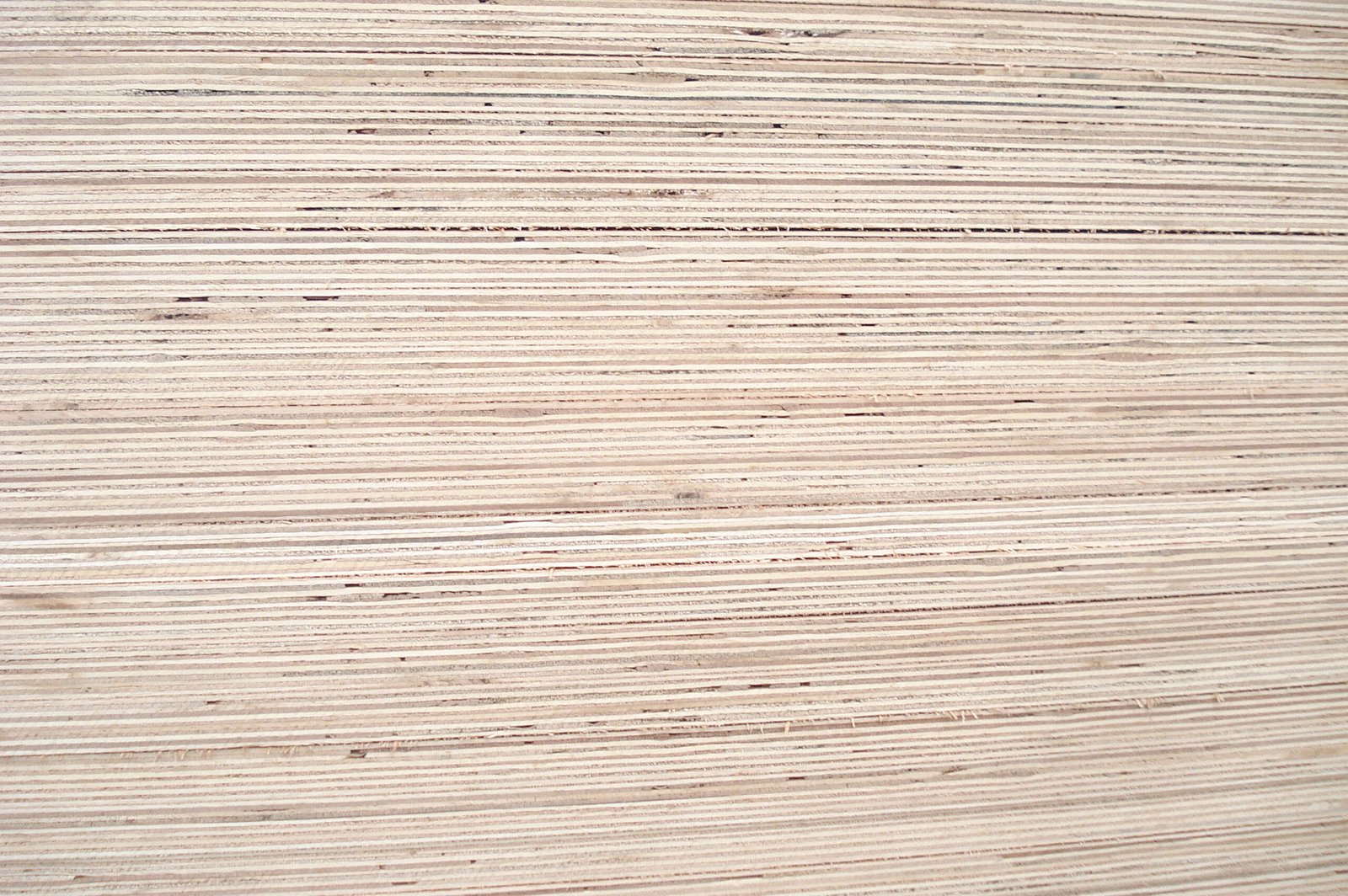
Buyers meeting d fir plywood for the first time often assume the label guarantees a finished face, then find visible knots and filled patches on delivery. The D means a utility-grade face with open defects repaired, and the fir part names the Douglas fir construction that carries the structural load. This guide explains what the d fir plywood label really describes, where the panel earns its place, and how to specify it without overpaying for a face you do not need.
The d fir grade label names two things: the face grade and the species. D designates a low face grade with visible imperfections that the mill patches or leaves exposed, suitable for structural and hidden work. Fir describes panels built from Douglas fir or fir-group veneers, which bring stiffness and reliable strength across the sheet. Together they make a workhorse panel priced for function rather than appearance.
Grade letters walk the face ladder from A at the top to D at the utility end. D faces allow knots, patches, and grain defects that a painted shelf would never accept, while the structural capacity stays intact. A sheet can carry a different letter on each side, like CD, so confirm both faces when the order depends on the appearance of one side.
Douglas fir veneers deliver a high strength-to-weight ratio and hold nails and screws well, which suits framing, subfloor, and general structural work. The fir face also resists splitting at fasteners, a quality that concrete formwork and staging crews rely on. For interior visible furniture, a hardwood or melamine face usually beats fir for appearance.
The panel earns its cost wherever strength beats cosmetics. Subfloor, sheathing, roof decking, temporary staging, and structural shelving all accept d fir grades because the face never shows in the finished job. The reliable load capacity and fastener resistance explain why framing packages specify fir construction as a default.
Builders use fir structural panels under floors and against walls where the grade face faces the cavity or gets covered. The panel carries the load, the bond handles the site moisture, and the low-cost face keeps the package affordable. Match the schedule to the joist spacing and the panel performs for decades.
Temporary decking, packing trays, and site protection boards use d fir sheets because they are tough, flat, and inexpensive. A damaged staging panel costs little to replace, and the fir construction holds fasteners through repeated use. Keep the same panels for light structural jobs to avoid storing two grades.
Exposure decides the correct bond more than the grade does. Interior fir panels with an interior glue suit dry indoor framing, while exterior-rated fir panels resist wetting and weathering for outside work. Confirm the bond class on the stamp, because a beautiful face with the wrong glue fails fast outdoors.
Structural panels rated for exterior service use moisture-resistant adhesives that hold through roof and wall exposure. The rating covers the glue seam, not the raw edge, so protect cut edges where the panel faces weather. For wet concrete formwork, film faced fir panels outperform plain sanded structural board.
Structural plywood carries mill stamps that state the bond, the grade, and the performance standard. Confirm the stamp matches the specification before release to the site, because an unmarked panel tells you nothing about its capability. Reputable mills mark every sheet, and the absence of a stamp justifies a question.
D fir structural panels carry rated loads at specific support spacings, and the schedule on the pack or the supplier data sheet translates the strength into practice. A 12 mm sheet spans closer centers than an 18 mm sheet, and heavy floor loads step up the thickness. Treat the load table as the contract, not as a guess.
Light sheathing and backing accept 9 to 12 mm; subfloor and roof decking usually run 12 to 18 mm; and staging and load-bearing shelves move toward 18 mm. Wider support spacing or concentrated loads push every recommendation up one step. Confirm the span before ordering the panel count.
| Job | Thickness | Face side |
|---|---|---|
| Wall sheathing | 9-12 mm | Any |
| Subfloor | 12-18 mm | Structural |
| Roof decking | 12-18 mm | Structural |
| Staging and forms | 18 mm | Utility or film |
| Structural shelving | 18 mm | Any |
The table matches the panel to the load band. Within each row, the bond class still decides whether the sheet survives the exposure.
Fir plywood cuts predictably with a sharp crosscut blade, and the slightly resinous face can burn if the blade dulls or the feed slows. Score the good face before the cut to stop veneer tear-out, support the sheet at the end of the table, and feed at a steady speed. The same discipline protects the edges that fasteners later hold.
Fir holds nails and screws well at the edge, and the grip improves when the fastener spacing matches the load. Space fasteners closer at panel ends and edges than in the field, and use a fastener rated for the exposure. A panel that lifts at a fastener line loses the shear capacity the schedule assumed.
Keep d fir panels covered and raised off the ground until the frame closes them in. Wet panels swell at the edges, warp, and can reject the paint and adhesive that follow. Allow the panels to acclimatise before cutting joinery, and protect any exposed cut edge with a compatible sealer during the build.
The cost difference between d fir and a decorative panel shows up in the face, not in the skeleton. A fir structural sheet and a hardwood-faced panel of the same thickness share the same load-carrying capacity, but the decorative face adds finishing steps and a higher price per sheet. Buyers who need strength without show choose the utility face and keep the savings.
Fir panels and general construction plywood both suit framing work, and the practical difference appears in stiffness and fastener grip. Fir veneers carry a reputation for strong, stiff panels that hold nails near the edge, while some softer cores require more care at fixings. For mixed structural work, a Commercial Plywood grade covers most loads and keeps the spec simple.
Concrete formwork demands a surface that releases clean after wet cycles, and a phenolic film face delivers that release better than a raw fir surface. Film Faced Plywood resists concrete, strips without sticking, and survives repeated pours, which explains the premium over plain structural board. Reserve the film face for wet and stripping work, and keep d fir for dry and covered service.
Visible furniture, cabinet faces, and painted interiors call for a smooth sanded or melamine surface that a utility fir face cannot match. A Melamine Plywood face resists scuffs and needs no finishing, which saves time in a furniture run. Match the face to the surface that the client sees, and the panel choice becomes obvious.
These are the questions buyers raise most when specifying d fir plywood.
The D names a utility face grade with visible defects that the mill patches or leaves exposed. It suits structural and hidden work where appearance does not matter.
Fir construction panels carry rated structural loads when the stamp confirms the bond and performance class. Confirm the rating on the mill stamp before using the sheet in a load-bearing position.
Only panels rated for exterior service, and even then the cut edges need sealing. Interior bond fir delaminates quickly in sustained weather.
CD names a C face on one side and a D face on the other within the local grading ladder. D fir names the species construction plus a D-grade face; the exact meaning follows the regional grading standard.
On standard floor joist spacing, 15 to 18 mm structural fir panels carry residential loads. Wider spacing or heavy appliances step the schedule up a thickness.
Write the order with the stamp as the contract: confirm the face grade on both sides, the fir species, the bond class for the exposure, and the thickness for the span. Compare quotes on the same lines and check the panels flat and square at delivery. For a consistent source of structural fir and other panel grades, HYY supplies factory-flat boards with the stamp on every sheet, and the Commercial Plywood and OSB Board pages show the range for framing and sheathing. Browse the complete plywood product range before the frame opens on site.