Our Location
5th Floor, Huake Center, Lanshan District, Linyi City, Shandong Province, China

5th Floor, Huake Center, Lanshan District, Linyi City, Shandong Province, China
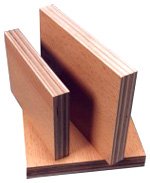
The sheets rarely fit inside the car, so plywood on roof rack becomes the trip that gets the panel home, and the load only works when the sheet sits supported and strapped rather than tied in a hurry. The flat panel catches the wind like a sail, so the support and the strap pattern decide whether the sheets arrive flat or warped. This guide covers the rack checks, the strapping, and the loading steps that keep the load secure for the drive.
The rack carries what its rating allows, so the check runs the bars, the feet, and the rated load before the sheets leave the ground. A rack loaded past its limit works loose at the feet under the highway load. Read the rating first and the pack follows.
Confirm the crossbars are locked to the rails and the feet seat without the play, because the dynamic load on the highway works every joint in the rack. The rated load covers the sheets and the straps together. Check the rating before the pack goes up.
Space the crossbars wide enough to carry the sheet at two supports rather than the single centre line, because the unsupported end lifts under the wind and waves the panel. Two bars carry the span the way the joists carry the deck. Set the spacing to the sheet length.
The sheet rides on the foam or the rubber pad that keeps the panel off the metal bars, and the pad spreads the load that a bare bar would press into the veneer. Protect the roof line at the overhang so the sheet never touches the paint. The pad carries the panel and the paint.
The foam pad along the crossbar cushions the sheet at the support points, and the cushion keeps the pressure off the veneer that a bare bar would crush. A flat pad also stops the panel sliding on the metal under the strap. Set the pads at both bars before the pack loads.
The sheet overhangs the rack at the front and the rear, so keep the panel clear of the roof paint and the glass with the padding at the touch points. The overhang that touches the roof rubs the finish through the drive. Check the clearance before the straps tighten.
The strap holds the sheet to the bars against the lift that the wind applies at speed, and the pattern needs the loop over the panel and the hook on the rack at every crossing. Cinch the strap to the tension that holds without crushing the edge. The strap line is the load security.
Run the strap over the sheet, under the crossbar, and back over the panel, so the loop pulls the sheet down onto the bars rather than pulling it sideways. The over-under loop holds against the lift. Set one strap at each bar and keep them even.
Cinch the strap to the tension that holds the sheet flat without the buckle bruise that marks the edge of the panel, and check the tension again after the first stretch of the drive. A strap loose at speed lifts the sheet into the wind. Re-check the line at the stop.
The stack rides as one pack when the sheets are tied together, because a loose top sheet catches the wind first and works free of the stack. Strap the bundle as a unit and keep the stack square on the bars. The united pack holds where the loose sheets part.
Line the sheets square on the rack so the straps cross the full panel rather than the corner, and keep the overhang even at both ends. The square stack takes the strap at the centre of the load. A crooked pack loads the strap off the line.
Turn the leading edge so the wind meets the closed face rather than the open plys at the cut edge, because the wind works into the layers and lifts the veneer through the drive. The closed edge sheds the air and keeps the wind out of the layers that the cut face leaves open. Face the pack into the travel and the leading edge meets the wind as the panel was built to meet it.
The loaded rack changes how the car behaves, so the drive runs the slower merge, the earlier brake, and the strap check at every stop. The wind noise tells the driver when the pack works loose. Drive for the load and check the line.
The lift on the sheet grows with the speed, so keep the highway pace moderate with the pack and allow more room for the braking that the extra load needs. The slower drive keeps the straps in their tension. Let the noise of the pack set the pace.
Check the straps and the tension at the first stop and again at the fuel line, because the pack settles and the straps loosen in the first miles. The re-tension at the stop holds the load to the destination. Look at the edge and the buckle every time.
The unload matters as much as the strapping, because the sheet that flexes over the rack edge takes the set that the flat storage would have avoided. Ease the pack off with the help at each end and lay the sheets flat. The careful unload keeps the panel true.
Loosen the straps together and lift the pack with the help at each end rather than dragging one edge across the bars, because the dragged sheet bows under its own weight. Two hands carry the panel flat. Take the pack down as it came up.
Lay the sheets on the level bearers in the covered storage so the pack stays true after the drive, because a sheet stacked on the edge takes the bow that the storage sets. The flat stack keeps the panel usable for the layout and the cut that follows, because the sheet that dries flat on the bearers stays true through the weeks of the build. Store the pack flat the day it arrives, and check the edges for the lifted veneer before the first sheet is marked.
These are the questions drivers ask most before the pack goes up.
Yes, with the rated rack, the wide bar spacing, and the strap at every crossing, the sheets ride supported and secure. Check the load rating and the strap tension before the drive.
Run the strap over the sheet, under the crossbar, and back over the panel at each bar, then cinch to the tension that holds without the bruise at the edge. Tie the stack as one pack.
The load must stay inside the rack rating and the local limits on the overhang and the tie-down, so read both before the pack goes up. The secured load inside the limits is the legal pack.
Support the sheet at the two bars, keep the pack flat, and face the cut edge away from the wind, so the panel never flexes over the support. The flat pack arrives without the bow.
The wind works into the open edge and lifts the veneer at speed, so close the leading edge and strap the pack tight. The moderate pace keeps the lift down.
Check the rating, pad the supports, strap the over-under line, and re-check the tension at every stop, and the plywood on roof rack reaches the site flat and ready for the cut. The secured pack is the whole trip. When the sheets arrive for the build, HYY supplies panels cut for the job with the thickness and bond marked on every sheet, and the Commercial Plywood and Fancy Plywood pages show the stock that carries from the rack to the frame. The complete plywood product range backs the order before the trip is planned.