Our Location
5th Floor, Huake Center, Lanshan District, Linyi City, Shandong Province, China

5th Floor, Huake Center, Lanshan District, Linyi City, Shandong Province, China
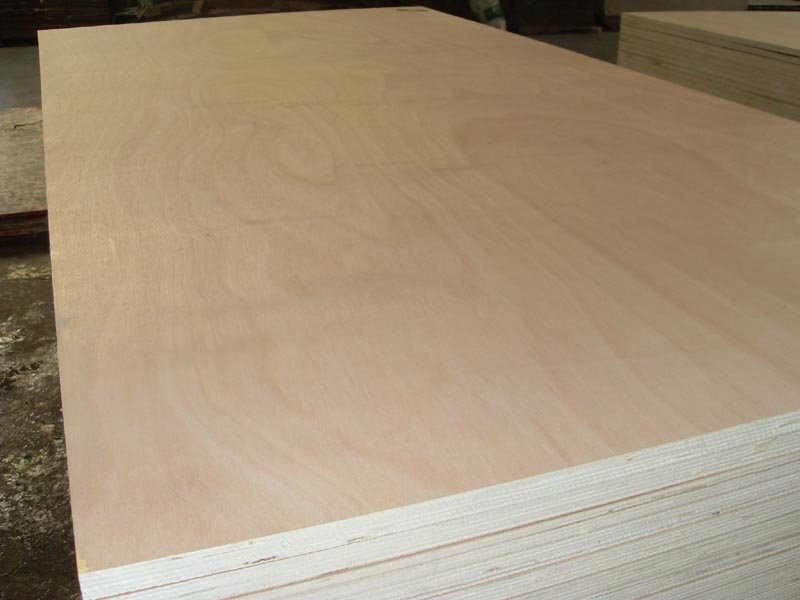
The plywood best quality panel announces itself before the cut: the sheet sits flat, the edge shows a solid core, and the stamp confirms the bond and the face the order promised. Buyers who learn the sheet checks walk past the warped panel and the voided core without the rebuild at the bench. This guide covers the flatness sight, the edge and core inspection, the delamination test, and the grade stamp that ties the quality to the delivered panel.
A flat sheet cuts straight, joins clean, and installs without the fight of a bowed panel, so the sight down the edge is the first quality test at the rack. The bow and the cup both show themselves when the sheet is sighted from the end, and the twist reads across the diagonal. Check the flatness before the sheet leaves the yard.
Sight along the long edge for the bow that curves the sheet end to end, and across the width for the cup that rolls the panel into the trough. Both defects carry into the build and hide under the finish only by luck. Reject the bowed sheet at the rack rather than at the bench.
Set the sheet flat and check the opposite corners for the lift that reads as the twist, because the twisted panel never sits flat on the frame or the floor. A sheet that rocks on the diagonal carries the mill stress into the finished work. Keep the flat panel for the visible build.
The cut edge of the sheet shows the core quality: a solid, evenly layered edge carries the screw and the load, while the voided edge weakens the panel under the fastener. Run the eye along the edge and look for the gaps between the veneers that the lamination failed to close. The edge is the window into the core.
A good core shows even veneer layers with the glue lines closed tight and no gaps between the plies, and the screw bites a solid edge that holds the thread. The voided core lets the screw pull out under the load that the panel rating promised. Count the layers against the thickness on the order.
Check the edge where the fasteners will land, because a void under the screw line is where the joinery fails first. The solid core at the fixing point carries the load that the voided section drops. Keep the screw line on the clean edge.
The glue line holds the veneers together under the moisture and the load, so the delamination test finds the panel that will fail in service. Tap the face with a coin and listen for the hollow drum that reads as the separated layer, and look for the visible split at the edge. The glue line is the structural heart of the panel.
Tap across the face with a coin and listen for the change from the solid ring to the hollow drum that reads as the delaminated layer underneath. The hollow spot marks the void where the glue line has failed. Reject the panel that drums at the tap.
Look at the edge for the split that runs along a glue line, because the split reads as the bond that failed under the press or the moisture. A clean edge with closed glue lines carries the exposure the stamp promises. The split edge never meets the wet service.
The panel that arrives too wet or too dry moves in the finished work, so the moisture content and the storage condition carry the quality beyond the press. A panel stored under the open sky drinks the rain and swells at the core, and the dry-stack panel stays flat in the shop. Read the storage before the sheet is loaded.
Ask the supplier about the storage and the moisture condition of the stock, because the sheet that sat under the wet cover carries the swollen core into the build. The dry, covered stack keeps the panel flat and the glue line intact. The storage tells the moisture story before the meter does.
Stand the delivered sheets flat in the room where they will work so the panel takes the room moisture before the cut. The acclimated sheet moves less after the installation and the joints stay closed. The acclimation step costs the day and saves the rebuild.
The stamp on the sheet names the face pair, the bond class, and the thickness, and those three lines are the quality promise in miniature. Compare the stamp against the written order, because the label on the rack and the stamp on the panel do not always agree. The stamp is the document that settles the claim.
The face pair on the stamp names the appearance standard of each side, so the B front and the BB back carry their own inspection lines. The visible face meets the design standard and the hidden back relaxes one step. Read the pair against the finish plan before the sheet is cut.
The bond class on the stamp sets the moisture service the panel takes, from the interior grade for the dry room to the marine bond for the continuous wet. The bond is the quality line that the exposure depends on. Confirm the class against the wet zone of the project.
The best quality panel earns its price through the flat core, the closed glue lines, and the stamped bond, and the budget finds its savings in the face letter rather than the construction. A well-made B face carries the same structural core as the A tier at the lower appearance price. Read the core first and the face second, and the quality stays inside the budget.
The premium pays for the void-free core, the tight glue lines, and the exterior bond that the wet zone needs, and those lines carry the service life of the panel. The face letter prices the appearance rather than the structure. Spend the premium on the core and the bond, not the letter.
The saving on the B and C faces keeps the budget inside the covered work without touching the structural core, and the two-letter pairing does the rest. A well-made utility face serves the hidden side at the honest price. The quality core with the utility face is the smart order.
These are the questions buyers ask most when they look for the plywood best quality.
Sight the sheet for flatness, check the edge for the void-free core, tap the face for the delamination, and read the stamp against the order. A well-made panel passes all four checks at the rack.
A solid, void-free core with closed glue lines, a flat press, and the correct bond class for the exposure. The face letter prices the appearance rather than the structure.
The bowed sheet, the voided edge, the hollow drum at the coin tap, and the split along the glue line. Each defect carries into the build and fails at the load or the moisture.
The higher face grade prices the appearance rather than the structure, because the core and the bond carry the strength. A B face on a solid core outperforms a premium face on a voided one.
Sight the flatness, inspect the edge, tap the face, and read the grade stamp against the written order. Keep the receipt and the stamp photograph with the claim.
Sight the flatness, inspect the edge core, tap for the delamination, and read the stamp, and the best quality panel carries the build for the years. The core and the bond decide the service life while the face letter prices the appearance. When the order needs panels that pass the rack check with the bond and thickness stamped on the sheet, HYY supplies graded panels with the quality lines marked, and the Commercial Plywood and Melamine Plywood pages show the panels built on the quality core. The complete plywood product range backs the order before the cut list starts.