Our Location
5th Floor, Huake Center, Lanshan District, Linyi City, Shandong Province, China

5th Floor, Huake Center, Lanshan District, Linyi City, Shandong Province, China
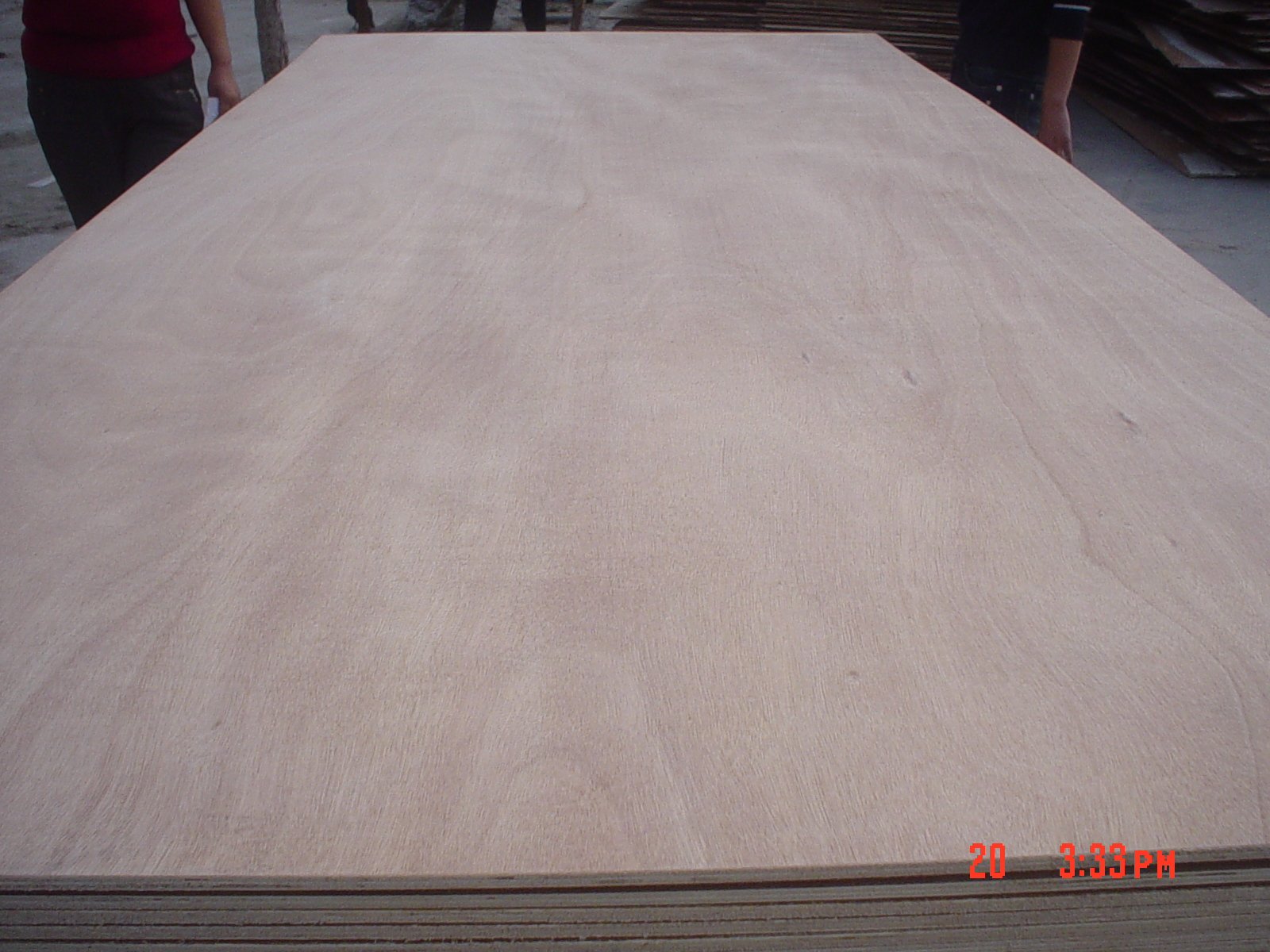
The buyer searching for a flawless plywood a grade face wants the panel that shows no repairs, no knots, and no grain surprises under a clear finish, and that premium comes with a price. A grade sits at the top of the plywood face ladder, with clean matched veneer made for the surfaces that hold a transparent finish. This guide explains what the plywood a grade face really promises, where the top face earns its money, and when the budget should settle for a lower grade.
The A grade face runs the stepladder of plywood appearances and allows almost no visible defects: smooth veneer, matched grain, and no knots or repairs that a clear finish would expose. The face works for the panels that stay exposed, clear-coated, or lightly tinted where the wood itself is the finish. A top-grade face carries the highest veneer yield and the highest price.
A face tolerates tight colour variation and a few small, smooth defects that stay invisible under clear coats, but it excludes open knots, stains, and patch repairs. The mill selects the cleanest veneer for the A line, and the sorting cost lands on the price. The buyer reads the A face as the wood speaking for itself.
Clean veneer sheets come from a small share of every log, so the A line keeps the best yield for the top panel and sells the rest down the grades. The discard rate and the extra sorting make the A face the most expensive tier of the ladder. The premium pays for the fact that the panel sells entire stock that a lower face could never hide.
A grade pays where the panel is the finished surface: clear-finished furniture, decorative panelling, veneered doors, and trim that someone inspects close. The moment a build covers the face with paint, laminate, or melamine, the A premium stops earning its keep. Choose the A face for the surfaces that wear the wood as the design.
Tabletops, cabinet fronts, and shelf boards finished with a clear coat show every patch and knot under the varnish, so only an A face looks collected under the finish. The transparent coat turns the clean veneer into the furniture’s main surface. A face veneer matched across the piece reads as one continuous sheet. A MDF Board back panel pairs with the A face front where the cabinet keeps the visible wood and a clean painted core.
Feature walls, door panels, and interior trim that stay exposed take the A face so the grain runs clean from sheet to sheet. The visible run of matched veneer dresses the room with the wood itself. Where the finish is the design, the A face is the material.
Most A grade panels specify a second letter for the hidden back, so an A-B panel shows A on the visible side and B on the structural back. The two-letter code lets the build buy the top face once and accept a lower face for the side nobody sees. Pair the A face with the back that matches the actual exposure of the reverse side.
An A-B panel suits work where the back could occasionally show, while A-C keeps a utility C back for fully hidden C-class surfaces. The visible A carries the design and the back C carries the structure at a lower price. Name both faces in the order so the panel matches the job from both sides.
Confirm the delivered sheet carries the two-letter marking, because a supplier quoting A-B may ship A-C to clear stock. The stamp documents the promise and the back-grade warranty. Reject the substitute when the back face downgrades the planned structure.
The gap between A and B shows in the small repairs: a B face allows tidy patches and pin knots that the paint covers, while an A face pairs with a clear finish. The buyer balances the visible finish against the price of the panel. Painted visible work takes B and keeps the budget, and clear work takes A and shows the wood.
A visibly sleek cabinet painted in a solid colour covers the B repairs with the paint film, so the B face delivers the look at a lower panel price. The B face also keeps the flatness and the strength the cabinet needs. Reserve the A face for the clear-coat positions where the patch would show.
Run the face ladder by the finish: clear finish buys A, painted finish buys B, and hidden work buys C or D. The rule stops the overgrading that inflates a build and the undergrading that leaves a patchy surface. The finish plan sets the grade that the face needs.
Write the order with the face letters, the thickness for the span, and the bond for the exposure, and the A grade carries the job. Confirm the species and the face match the design, because some A faces are hardwood veneer and some are softwood. The stamp ties the spec to the delivered sheet.
State A-B or A-C, the sanded thickness, and the structural rating together on the order line. The mix of face and thickness sets the price and the capability in one line. A sheet that matches the drawing arrives ready for the cut list.
Exterior trim and outdoor work pair the A face with an exterior bond so the clean face survives the weather. Interior furniture takes the interior bond the room needs. The exposure decides the glue, while the face decides the look.
A grade is the top-priced tier because the clean veneer yield is low and the sorting is expensive, so the face premium is real. The panel costs more per square metre than any B or C face of the same thickness. Buy the premium only where the finish shows it, and the stock list stays honest.
The small share of clean veneer per log, the selective sorting, and the reject rate all drive the A price above the lower faces. The premium reflects the scarce yield, not a hidden margin. A buyer who prices the A stock sees the yield cost in the number.
A grade panels buy in packs at the lower unit rate, and the matched batch keeps the visible run consistent. Confirm the pack count and both face letters on the volume order. The pack spread turns the premium face into a planned line item.
These are the questions buyers raise most with A grade plywood.
A grade carries smooth, closely matched veneer with no open knots, stains, or patch repairs. It suits clear finishes where the wood itself shows in the final surface.
A grade shows near-perfect veneer with no visible repairs, while B allows small knots and neatly filled patches. A clear finish needs A; a painted finish takes B at a lower price.
The letters name the face grade on each side. A-C shows a premium A face on the visible side and a utility C face on the hidden back.
It is worth the cost only where the surface stays clear-finished or exposed. Where paint or laminate covers the panel, a B face delivers the same result for less.
Use A grade for clear-finished furniture, decorative panelling, doors, and trim that show the wood. Keep B, C, and D for painted and hidden work.
Match the face grade to the finish plan, pair the A face with a B or C back, and confirm the stamp at delivery. The clear-coat work earns the A premium, and the paint work keeps it in the budget. When the build needs a clean, matched face under a clear finish, HYY supplies premium face panels with the grade marked on the sheet, and the Fancy Plywood page shows the decorative faces that bring the wood into the room. The complete plywood product range runs the ladder from A to D before you order.