Our Location
5th Floor, Huake Center, Lanshan District, Linyi City, Shandong Province, China

5th Floor, Huake Center, Lanshan District, Linyi City, Shandong Province, China
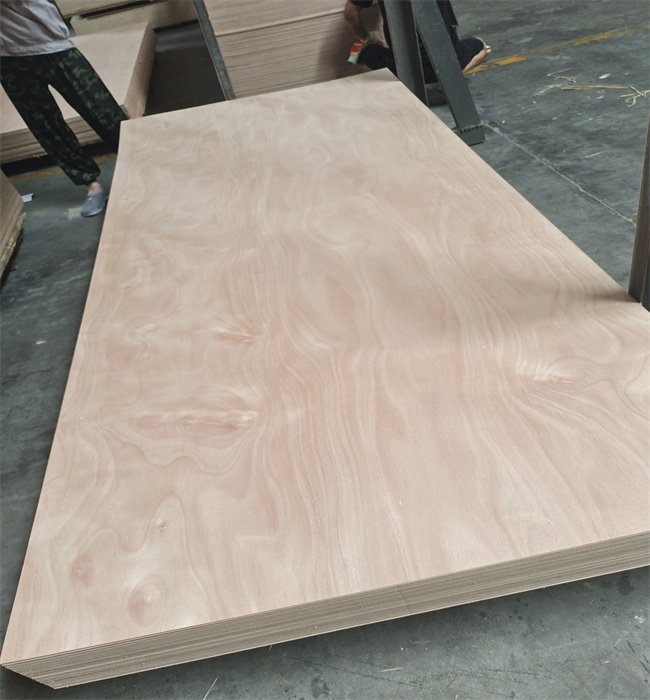
A plywood bed frame earns its keep in the bedroom because the panel supplies the flat mattress deck, the rigid side rails, and the storage base in one stable material. Builders choose a plywood bed for the workshop or the guest room when they want a frame that carries the weight without a forest of extra framing. This guide covers the plywood bed build from panel choice to mattress support, the joints that hold a bed, and the finishes that keep it true.
The bed frame lives on plywood panels of two jobs: the deck that holds the mattress and the rails and feet that carry the load. A 12 mm panel runs the mattress deck on a slat or solid base, while 18 mm structural panels form the side rails that span the bed length without sagging. Choose the thickness for the span, the face for the finish, and the bond for the room.
The mattress deck takes a 12 mm sheet over a supported base, and the side rails step up to 18 mm where they span between the headboard and the foot. A solid plywood deck over the rail frame holds the mattress firm and spreads the weight evenly. The rails carry the live load of the sleeping berth, so the thickness follows the span.
Visible bed parts take a smooth sanded or melamine face that finishes quickly, while the underside deck accepts a utility face hidden under the mattress. The visible rails, headboard, and footboard decide the face grade that the bedroom sees. Match the panel face to the side of the bed that shows.
The deck is the plane that the mattress trusts, so the framing under it runs evenly across the span. A solid plywood deck over the perimeter rail replaces slats and gives a firm, consistent support that modern foam mattresses accept well. Add a centre beam beneath a wider bed so the deck stays flat across the full width.
A solid plywood deck supports every foam and spring mattress evenly and keeps the mattress off the cold dead space of the floor. Slatted bases suit ventilated box springs, while a solid deck carries the pancake layer of a modern build. The deck edge sits within the rail so the mattress rests in a neat pocket.
Beds wider than a single mattress need a centre beam that splits the span and keeps the deck from bowing under the load. Screw the beam to the rail ends and let a leg or a runner take its own share to the floor. The beam turns a wide deck into two solid narrow spans.
The frame lives on the joints between the rails, the headboard, and the feet, and plywood handles the load best when the joinery spreads across the face rather than into a thin edge. Screws through the face into a glue-backed rail, pocket holes hidden behind the rails, and corner gussets all carry the bed without visible fixings. Dry-fit the frame square before any glue touches the parts.
Join the side rails to the headboard and footboard with screws through the face, reinforced by a glue block on the inner corner, so the joint carries the weight through the panel face. Pocket holes hide the fasteners where the join shows. The glued block turns the corner into a rigid one that survives years of getting in and out of bed.
Glue and screw a plywood gusset into each inner corner of the frame so the two rails and the footboard lock as one box. The gusset stops the frame from racking under the nightly loads. A rigid corner means a steady mattress and a quiet frame.
The plywood bed finishes with the feet that lift it, the headboard that dresses the wall, and the storage base that uses the space beneath. Feet cut from laminated plywood blocks carry a low bed clean, and a headboard panel extends the flat surface up the wall. Storage drawers or a lifting deck put the cavity to work.
Cut the feet from laminated plywood blocks, glue them to the rail at the corner, and they carry the bed on a wide, stable base. Laminated layers make a foot that matches the frame and spreads the load. Screw the foot through the face into the rail so the fixing never enters the edge alone.
A headboard panel screws to the frame and gives the reading light and the pillows a clean backdrop, while a raised deck turns the underbed into a drawer or lift storage space. The storage frame earns the raised height that some bedrooms welcome. Build the storage depth from the mattress height down to the floor line.
A plywood bed shows its edges, and the raw core at the rail and the deck needs a clean line. Edge band the visible rails and the headboard so the finish reads as furniture, and sand the faces flat before paint or oil. A stable finish on both faces keeps the panels flat through the bedroom’s humidity swing.
Iron-on edge banding covers the core line at the visible rails, the headboard, and the deck edge, and the band paints or oil to match the face. The band turns a raw ply edge into a furniture line. Trim the band flush and sand the corners for a factory finish.
Seal and coat both faces with equal coats so the panel stays flat as the room humidity moves between seasons. A one-sided finish pulls the bed part into a curl. The balanced coats keep the rails and the deck true for the life of the bed.
Most plywood beds fail in one of three ways: an over-thin rail, an edge-only joint, or an un-sandled deck that rubs the mattress. A rail that spans a double bed at 12 mm sags in the middle, and a joint that screws into the raw edge strips under the nightly load. Choose the thickness for the span and spread every joint across a face, and the bed carries the load for decades.
A double bed rail at too thin a panel bows in the middle and fights the mattress. Span the rail at 18 mm or add a centre beam so the rail keeps its line. The bed’s strength lives in the rail, so never cheat the span.
A screw driven into the raw plywood edge strips out and lets the frame rack. Reinforce edge joints with face screws, glue blocks, and gussets that carry the load through the panel face. The joint then holds what the bed actually weighs.
These are the questions builders ask most with a plywood bed.
Use 12 mm for the mattress deck over a supported base and 18 mm for the side rails that span the bed length. Wide beds add a centre beam under the deck.
Yes, structural plywood carries the load when the thickness matches the span and the joints spread across the panel face. The deck and the rails keep their line for decades.
Plywood carries a bed with better grip for fasteners and more stable edges over time. MDF works for low-load parts but the screw grip and the moisture tolerance lose to plywood on the load-bearing rails. A structural Commercial Plywood rail carries the mattress span at a working cost.
No, a solid plywood deck supports the mattress evenly and suits foam builds well. Where ventilation matters, replace the solid deck with slats on the same rail frame.
Glue every joint, tighten the frame as a stiff box, and keep the deck from rubbing the rails. A rigid frame with glue-backed joints carries the load in silence.
Choose the deck and the rail thickness for the span, joint every corner through the face, and finish both sides for a flat, stable frame. Edge band the lines that show and the bed reads as furniture. When the build needs panels that carry the weight and the finish, HYY supplies structural and melamine panels for bed frames, and Melamine Plywood gives the visible rails a wipe-clean face that skips the painting. The complete plywood product range puts a stable panel under the mattress.