Our Location
5th Floor, Huake Center, Lanshan District, Linyi City, Shandong Province, China

5th Floor, Huake Center, Lanshan District, Linyi City, Shandong Province, China
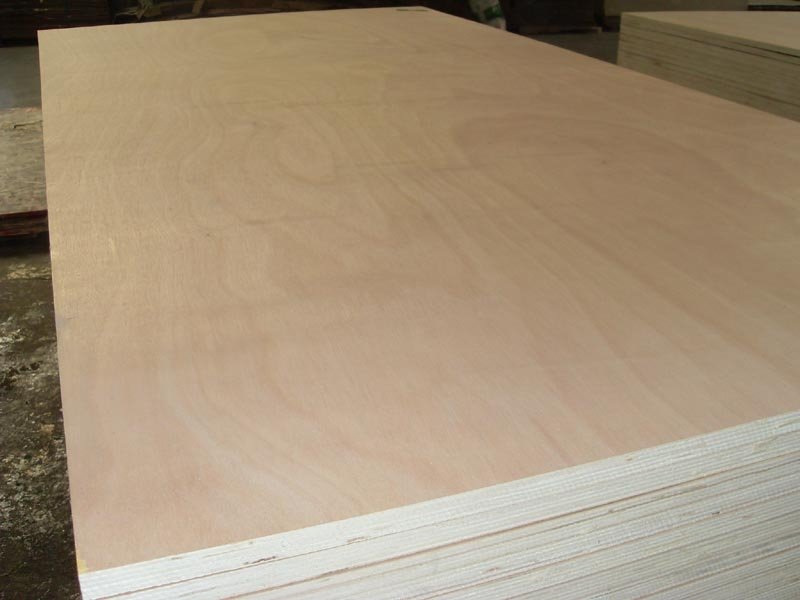
The plywood best price comes from the specification and the volume rather than the haggle, because the sheet rate follows the face letter, the bond class, and the pack count on the order. A buyer who matches each face to its exposure and buys the full pack lands the panel at the honest rate without touching the structural core. This guide covers the spec choices, the volume lever, the landed cost, and the timing that bring the sheet price down.
The price of a sheet follows its specification: the face letter prices the appearance, the bond class prices the exposure, and the thickness prices the material. Matching each line to the actual need keeps the premium where the eyes and the moisture land. The over-specified order is where the budget quietly leaks.
The A face prices the clean veneer that the clear finish shows, while the B and C faces serve the painted and the hidden work at the lower rates. Buy the premium face only where the finish inspects it, and the saving scales across the order. The face letter is the first lever on the sheet price.
The exterior and marine bonds price above the interior grade because the adhesive costs more, so the dry interior work takes the interior bond and the wet zone takes the waterproof one. Over-bonding the dry room spends the premium where the moisture never lands. Match the bond to the exposure and the price follows the service.
The full pack buys at the lower unit rate because the mill ships the bundle without the break, and the saving grows with the sheet count of the project. A few sheets collect at the shelf price, and the volume order lands at the pack rate that the trade counter quotes. Run the count against the pack before the order is placed.
The pack rate drops the per-sheet price below the individual collection, and the difference covers the freight on many volume orders. Read the pack count against the project cut list and the saving reads itself. The trade counter quotes the pack rate to the buyer who asks for it.
A large build buys the pack and stages the sheets across the phases, because the stored panel holds its flatness under the covered stack. The staged pack keeps the unit rate while the project runs its weeks. Confirm the storage space before the pack lands.
The two-letter face code lets the order buy one premium front and one utility back, and that pairing cuts the visible panel price without touching the side that shows. An A-C panel shows the A face to the room and saves on the C back, and the saving scales across a full order. The back letter is the quiet lever on the price.
A-C pairs the clear-finish front with the rough back for the one-sided panel, and B-C does the same for the painted work at the lower front price. Both pairings keep the visible face standard while the hidden side drops to the utility rate. Name both letters on the order so the delivered sheet matches.
The two-sided display panel and the exposed back take the matching pair because both faces meet the inspection, and the price carries the double premium. Read the exposure of each side and the pairing follows. The matching pair spends where both faces show.
The sheet sticker is only part of the cost: the freight, the waste from the cut list, and the collection time all land in the project budget. The delivered pack often lands close to or below the collected sheets once the trip cost is added. Run the landed comparison before the supplier is chosen.
Add the freight on the delivered pack against the fuel and the time of the collection, because the delivered order often wins on the volume buy. The tailgate delivery lands the pack where the cutting starts without the trailer hire. Compare the two numbers before the truck is loaded.
A cut list planned to the standard sheet size keeps the waste low and the usable offcuts high, and the planned yield drops the effective price per square metre. Nest the parts on the sheet drawing before the order, because the wasted sheet is the hidden price increase. The planned cut list is the quiet lever on the landed cost.
The timber market moves with the season and the supply, so the order timed to the stable period lands the better rate and the stocked face. Ask the supplier about the current movement on the common faces, and place the order when the stock sits deep. The timed order avoids the shortage premium.
A deep stock on the common faces holds the price steady, while the thin stock on the specialty grade carries the lead time and the premium. Ask about the stock position before the order, and the lead time tells the story of the rate. The stocked face prices below the special order.
Ask for the quote on the whole order rather than the single sheet, because the volume quote carries the pack rate and the delivered freight in one number. Compare the quotes on the landed total rather than the sticker. The whole-order quote is where the best price is found.
The best price never means the weakest core, because the structural rating and the bond class carry the service life while the face letter prices the appearance. A well-made B face on a solid core serves the painted build at the honest rate, and the utility back closes the budget. Read the core first and the price second, and the quality stays inside the number.
The saving must not touch the core quality, the bond class for the wet zone, or the thickness the span requires, because those lines carry the load and the moisture service. A cheap sheet on a voided core costs the rebuild that no sticker saving covers. Keep the structural lines intact and save on the face.
The honest rate for the well-made panel comes from the spec match and the volume rather than the corner cut, and the supplier who quotes it earns the repeat order. The good panel at the honest rate is the whole goal of the buy. Read the stamp, match the spec, and the price lands where the quality holds.
These are the questions buyers ask most when they look for the plywood best price.
Match the face letter to the finish, buy the full pack for the unit rate, and quote the whole order including the freight. The spec match and the volume do most of the work on the price.
A lower face price is worth it on the painted and hidden work, but the saving must not touch the core quality, the bond for the wet zone, or the thickness the span needs. Save on the face, keep the structural lines intact.
The face letter, the bond class, the thickness, and the volume on the order all move the sheet rate. The two-letter pairing and the pack count are the two quiet levers on the price.
The deep stock on the common faces holds the rate steady, so the order timed to the stable period lands the better price. Ask the supplier about the current stock position before the order.
Yes, the full pack buys at the lower unit rate and the saving grows with the sheet count. Compare the pack rate against the collected sheets once the trip cost is added.
Match the face to the finish, the bond to the exposure, and the count to the pack, and the plywood best price lands without the quality concession. The honest rate comes from the specification and the volume rather than the haggle. When the order needs the graded panels at the trade rate with the stamp on every sheet, HYY supplies the face ladder and the bond classes for the matched order, and the Commercial Plywood and Melamine Plywood pages show the panels that serve the budget build. The complete plywood product range backs the order before the quote is compared.