Our Location
5th Floor, Huake Center, Lanshan District, Linyi City, Shandong Province, China

5th Floor, Huake Center, Lanshan District, Linyi City, Shandong Province, China
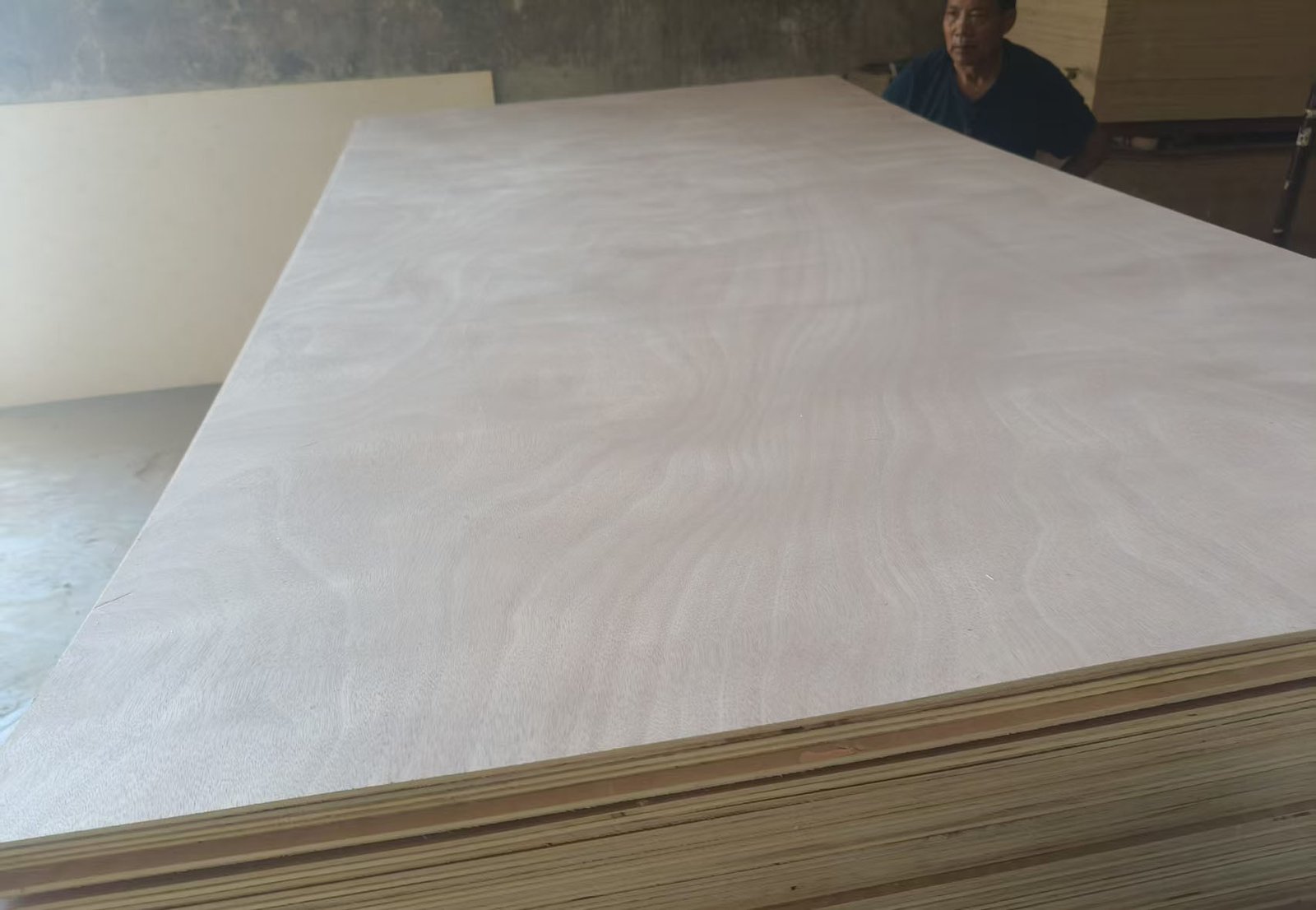
The stamp on the sheathing panel carries a plain class number, and structural i plywood names the higher grade within the rated family that asks more of the veneer than the standard sheet does. The class still reads the framing spacing while the tighter face answers the racking load and the open wall. This guide reads the class, the veneer, and the duty that the upgraded sheet serves.
The class marks the performance level within the rated sheathing family, because the Structural I sheet holds the tighter veneer requirements while the standard class serves the ordinary framing line. The stamp leads the choice. Read the class against the drawing.
The upgraded class still reads the same framing spacing at the live load, because the tighter veneer asks more of the core that shares the bending across the span. The matched class closes the order. Compare the stamp to the plan.
The veneer under the upgraded stamp carries fewer defects at the face where the fastener and the racking load land, because the cleaner layer holds the thread and the shear that the standard face tolerates. The clean face serves the wall. Match the grade to the duty that the drawing names, because the cleaner face answers the racking while the working core carries the span.
The diaphragm, the braced wall, and the open sheathing each read the class against the racking that the panel must hold, because the wind and the seismic pull ask more of the sheet than the vertical load alone. Match the bay against the drawing.
The roof and floor diaphragm take the upgraded class where the lateral pull crosses the panel that the standard sheet racks at, because the cleaner veneer holds the shear across the nailing line. The rated diaphragm carries the load. Read the span against the stamp.
The braced wall takes the tighter face where the wind load transfers through the sheet into the framing, because the cleaner core holds the fastener under the pull. The matched class closes the wall. Match the class to the exposure.
The upgraded panel still follows the fastener schedule that the class asks, because the tighter face holds the thread while the spacing keeps the sheet flat under the racking load. The matched schedule holds the panel.
The closer spacing at the panel edge keeps the sheet flat where the field carries the middle, because the edge takes the lift that the racking applies at the seam. Keep the fasteners to the schedule. Drill the pilot at the edge plys.
Every seam lands on the framing member because the unsupported joint lifts under the racking that the supported edge holds, because the off-frame seam leaves the lip that the finish reads. Plan the layout before the sheets go down and mark the framing on the plates, because the planned run keeps the waste low while the seams land where the framing carries them.
The upgraded class still reads the bond, because the open deck takes the exterior-bonded sheet that holds the wet weeks while the covered wall serves the interior class. The exposure leads the bond rather than the class alone.
The wall left to the weather takes the upgraded class with the exterior bond, because the rain reaches the cut edge that the interior glue releases. The bonded core holds the wet weeks of the open programme. Match the bond to the exposure before the sheets are staged on the flat stickers at the yard.
The covered wall serves the interior bond because the lining keeps the moisture off the edge that the dry room never reaches, because the sealed face holds the damp out. The interior class saves the premium. Match the bond to the room rather than the strongest glue.
The depth still reads the racking line, because the deeper panel holds the lateral pull at the framing spacing that the thin sheet flexes at under the wind. The matched depth serves the wall.
The covered lining takes the thin class at the close stud spacing because the dead load never asks for the depth that the open wall carries. The short bay closes with the light sheet. Match the depth to the spacing.
Pre-drill the pilot into the cleaner face so the screw enters without the split that the tighter veneer opens along the grain, because the clean hole holds the thread while the forced screw lifts the layer line. Set the head below the face where the hand meets the panel edge.
The order fails in a few familiar places: the upgraded class sent to the ordinary wall, the standard sheet under the racking load, and the seam off the framing. Each mistake goes back to the stamp rather than the label. Read, match, and hold.
A standard sheet under the racking load racks where the upgraded panel holds, so move the tighter class up to match the drawing. The matched stamp closes the wall. Read the load against the sheet before the delivery.
A seam off the framing lifts under the pull where the supported joint holds, so reset the layout so every joint meets the stud. The supported seam stays flat. Check the plan against the delivered stack before the panels go down onto the framed line below.
The order runs on the class, the bond, and the sheet size, because the upgraded panel still reads the exposure and the layout that the truck carries. Match the three against the drawing.
Check the delivered stack against the ticket at the gate, because the mixed pallet carries the standard panel that the braced wall should not take. Read the stamp on every sheet as it leaves the stack. Confirm the class before the crew starts the run.
Store the sheets on the flat stickers rather than the ground that wicks the damp into the bottom panel, because the stacked sheet stays flat for the run that follows. Keep the cover off the top against the rain while the stickers keep the airflow between the layers. The dry stack feeds the crew without the swollen panel.
The mixed depths at the seam leave the lip that the finish telegraphs underfoot, so keep one class across the run and plane the joint where the sheets meet. The matched depth reads flat. Check the edge before the panels are fastened.
These are the questions buyers ask most about the class.
Structural I is the higher performance grade within the rated sheathing family, because the tighter veneer requirements ask more of the face and the core than the standard sheet carries.
The upgraded class holds the tighter face at the racking load while the standard class serves the ordinary framing line, so the sheet answers the lateral pull in the same panel.
The diaphragm and the braced wall read the class against the lateral pull, because the wind and the seismic load transfer through the sheet into the framing below.
Read the stamp on the panel face, because the class marks the performance level that the drawing asked for. Compare the stamp to the plan before the delivery.
Read the class, the schedule, and the seam layout against the drawing, and the structural i plywood choice becomes the spec that leads the order rather than the guess that leaves the crew trimming at the install. The matched class serves the frame. When the run needs upgraded sheathing, HYY supplies panels with the class, grade, and bond marked on every sheet, and the Commercial Plywood and OSB Board pages show the stock for the wall and the deck. The complete plywood product range backs the order before the truck is booked.