Our Location
5th Floor, Huake Center, Lanshan District, Linyi City, Shandong Province, China

5th Floor, Huake Center, Lanshan District, Linyi City, Shandong Province, China
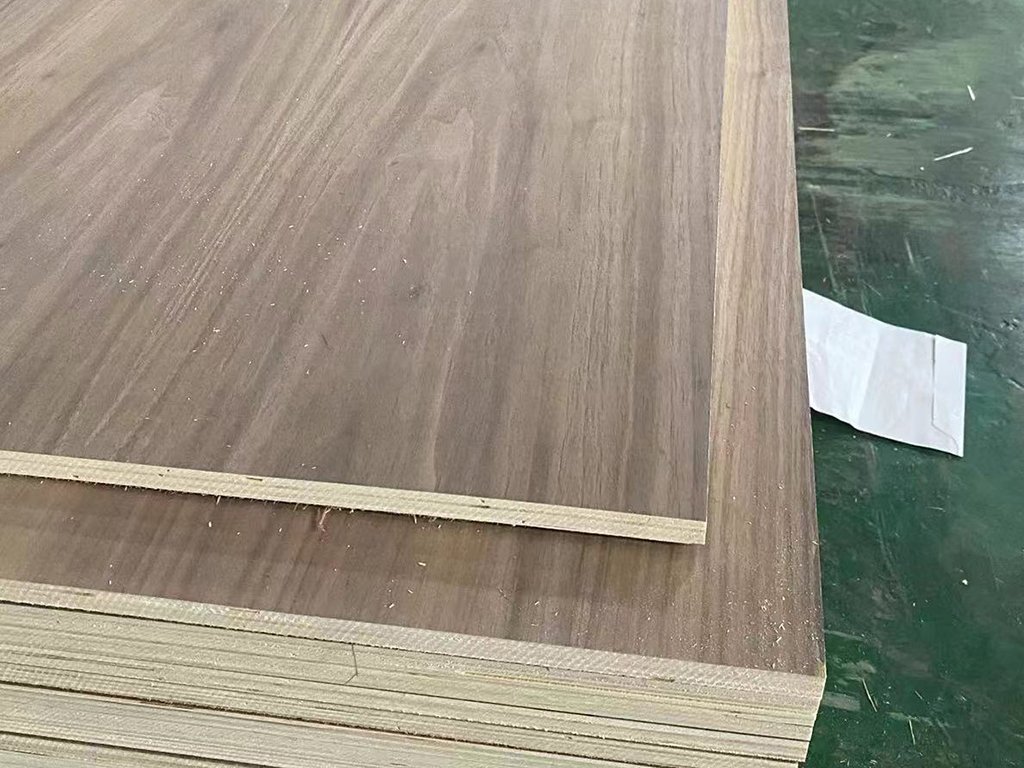
One workshop question settles the whole panel: in the construction of plywood the grains of veneer plies are placed how — the answer is crosswise, each layer turned at the right angle to the layer below. That cross is what separates the panel from the solid board, because the grain that runs across the sheet answers the pull from both directions. This guide reads the placement, the count, and the balance that the press lays.
The core layers run in the long direction while the layers above and below turn across it, because the cross at each line shares the bending that the single board carries alone. The placement sets the sheet. Read the layers against the duty.
Each layer is turned ninety degrees to the one below so the grain that runs lengthwise on one ply runs across on the next, because the two directions answer the pull from both edges of the sheet. The crosswise ply closes the dimension that the solid board moves. Match the orientation to the span that the framing draws, because the long grain carries the load across the joist while the crosswise layer holds the edge against the movement.
The cross keeps the sheet flat through the season, because the layer that shrinks across the grain is held by the layer that runs along it. The balanced pull holds the panel true. Read the count against the exposure and the span together, because the wet deck and the covered lining take different bonds at the same layer count.
The count follows the depth that the duty asks, because each added layer shares the bending at the span that the thinner stack flexes at. The matched count serves the load.
An odd count puts the same grain direction on the face and the back, because the balanced sheet pulls flat through the damp season. The odd stack keeps the balance. Read the count against the exposure.
An even count leaves the balance to the press rather than the layout, because the top and bottom layers end on the crossed pair. The pressed stack still holds the line. Match the count to the duty.
The face layer runs along the length where the eye and the wear land, because the long grain carries the finish while the crossed core below carries the bending. The placement of each layer answers its own line.
The face grain runs the long way of the sheet so the finish reads the straight line that the crosswise layer hides, because the visible surface takes the length while the core carries the span. The matched face closes the finish. Choose the direction by the eye against the room, because the visible run reads the lengthwise line while the closed wall never shows the crossed face.
The core layers across the width answer the pull that the face cannot reach, because the crossed fibre holds the edge against the movement that the single board follows. The core carries the load. Read the count against the framing.
The floor, the wall, and the form each read the placement against the load, because the walking load and the concrete pressure ask different lines of the same crossed panel. Match each bay against the drawing.
The subfloor takes the crossed stack at the joist line where the walking load crosses the span, because the live load answers the pull from both directions. The matched placement holds the plane. Read the stamp against the framing.
The concrete form takes the crossed layers where the pour applies the pressure that the single direction lifts at, because the cross holds the face flat under the load. The held face carries the finish. Match the count to the pressure that the pour applies and keep the face along the eye line, because the held panel transfers the finish to the concrete face.
The placement still reads the glue line, because the crossed layers only share the bending while the bond holds the sheet together under the load that the frame applies. The bond follows the exposure rather than the habit.
The glue line at the crossed grain holds the layers against the pull that the damp applies across the sheet, because the joint at the right angle carries the stress that the lengthwise line alone releases. The bonded cross keeps the panel whole. Read the exposure against the label.
The open deck takes the exterior-bonded panel while the covered lining serves the interior class, because the rain reaches the cut edge that the interior glue releases. Match the bond to the programme. Keep the wet zone on the exterior sheet.
Store the sheets on the flat stickers rather than the ground that wicks the damp into the bottom panel, because the stacked sheet keeps the crossed layers true for the run that follows. Keep the cover off the top against the rain while the stickers keep the airflow between the layers. The dry stack feeds the crew without the warped panel that the wet store leaves at the pile.
The build fails in a few familiar places: the sheet laid against the length on the deck, the count short of the span, and the face turned so the finish reads the cross. Each mistake goes back to the layout rather than the press. Read, match, and turn.
A sheet with the long grain across the span flexes where the crossed panel holds, so turn the panel so the long grain follows the framing on the deck. The matched direction closes the floor. Read the layout against the sheet before the install.
A face turned across the visible run shows the cross that the lengthwise layer hides, so set the face along the eye line before the fastener enters. The matched face closes the finish. Check the direction on the full sheet before the panel lands on the framing line below.
Check the delivered panels against the ticket at the gate before the crew stages them, because the mixed pallet holds the schedule at the install rather than at the order. Read the stamp on every sheet as it leaves the stack. Confirm the count and the face direction before the run starts.
These are the questions builders ask most about the layers.
Each layer is turned at the right angle to the one below, because the cross shares the bending that the single direction carries alone. The face runs along the length while the core crosses it.
The cross answers the pull from both directions and keeps the sheet flat through the season, because the layer that shrinks across the grain is held by the layer that runs along it.
The count follows the depth that the duty asks, because each added layer shares the bending at the span. An odd count puts the same grain direction on the face and the back.
Yes, the direction sets the span and the finish, because the long grain carries the load across the framing while the crosswise layer holds the edge against the movement.
Read the placement, the count, and the face against the drawing, and the question of how the grains of veneer plies are placed in the construction of plywood answers itself in the panel that lands flat on the frame. The crossed sheet serves the build across the deck, the wall, and the form that carries the pour through the cure programme. When the run needs panels laid to the plan, HYY supplies sheets with the count, grade, and bond marked on every panel, and the Commercial Plywood and Film Faced Plywood pages show the stock for the deck and the form. The complete plywood product range backs the order before the truck is booked.