Our Location
5th Floor, Huake Center, Lanshan District, Linyi City, Shandong Province, China

5th Floor, Huake Center, Lanshan District, Linyi City, Shandong Province, China
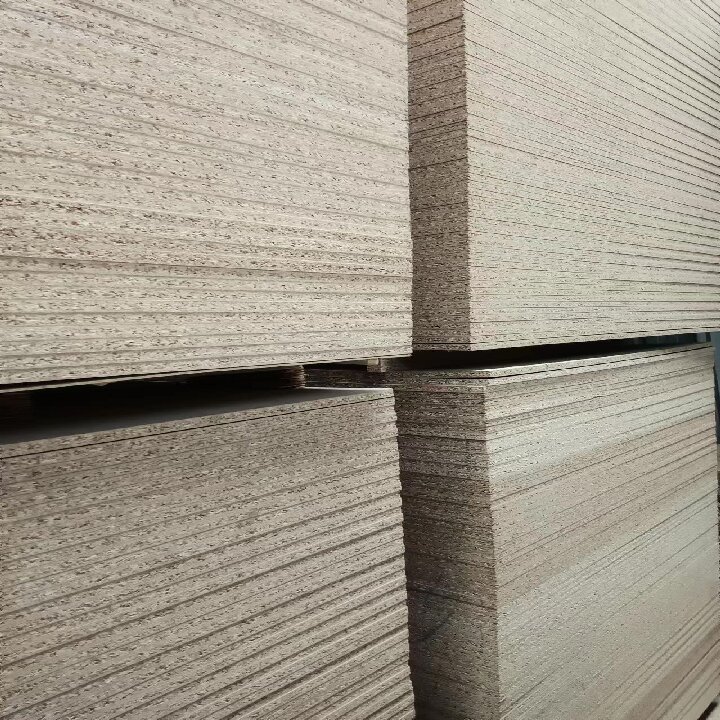
The yard stacks the panel beside the solid boards, and the question why is plywood good comes down to what the cross-laid core does that the single plank cannot. The layered sheet stays flat, holds the fastener, and carries the moisture class that the job asks, while the solid timber moves with the season across its grain. This guide reads the construction, the strength, and the service that make the panel the default choice for the structure and the finish.
The panel builds from the veneers glued at the crossed grain, because each layer takes its share of the load in the direction the grain runs. The crossing cancels the movement that the single plank follows. Read the build and the advantages follow.
The crossed veneers carry the load along and across the sheet, because the layer at the right angle holds where the parallel grain alone would split. The panel reads strong on both axes. That construction serves the sheathing and the joinery alike.
The pressed layers hold the panel flat through the seasons, because the layer that wants to move is held by the one glued across it. The flat sheet arrives true and stays true under the finish. The dimension reads stable at the yard and at the site.
The screw bites the cross-laid layers at the face and the edge, because the threads engage the veneer at the angle rather than following the single grain out. The panel holds the joint through the repeat service. The fastener earns its hold in the sheet.
The edge of the panel grips the screw threads across the layers, so the hinge, the bracket, and the cleat hold in the edge where the solid plank splits. The holding edge carries the joinery. Set the fastener into the panel and the joint stays.
The face takes the bolt, the T nut, and the hanger without the strip that the soft core drops, because the graded veneers hold the pull across the fixing. The sound face carries the hardware. Read the grade against the load.
The panel serves the dry room and the wet zone because the bond class sets the moisture the sheet takes at the cut edge, and the yard stocks both for the trade. The exterior bond holds the wet weeks while the interior class stays in the dry rooms. Read the exposure and the class follows.
The exterior-bonded sheet survives the open build and the damp service that the boat and the bathroom meet, because the glue line keeps the moisture out of the core. The wet class carries the exposure. Take it where the water reaches.
The interior-bonded panel serves the furniture and the hidden structure at the honest price, because the dry room never reaches the glue line at the edge. The dry class saves the cost the wet zone needs. Match the class to the room.
The panel cuts clean, routs clean, and finishes clean, because the graded face and the crossed core answer the blade without the tear that the solid plank shows. The sheet works at the saw and at the sander. The trade reads the panel as the workable stock.
The blade crosses the layers without the tear-out that follows the single grain, because the veneer at the surface meets the carbide square. The cut edge reads clean for the joint without the sanding pass that the torn grain demands, because the blade meets the veneer square at the surface. Score the face where the finish shows, and the tear stays on the offcut rather than the panel.
The graded face takes the paint and the clear coat evenly, because the veneer sorted for the panel keeps the surface uniform under the film. The even finish reads in the room without the grain telegraph that the coarse plank leaves under the film, because the sorted veneer keeps the surface steady. Sand through the grits and the face answers with the uniform coat that the painted work asks for.
The panel serves every room where the flat surface and the honest price meet, because the graded face answers the paint and the clear coat while the core carries the load behind the finish. Read the room against the grade and the sheet follows.
The cabinet side and the drawer front take the graded face that the hardware fixes into, because the clean veneer holds the fastener and the finish without the patch line that reads in the room. The sound face serves the visible work.
The sheathing and the subfloor take the structural class behind the lining, where the span rating rather than the face sets the panel, because the frame reads the stamp and the load. The rated sheet carries the structure.
The doubts run on the edge swelling, the void in the core, and the finish that shows the seam, because each comes from the panel that was chosen wrong rather than the construction itself. Read the class, the grade, and the face. The right sheet answers the doubt.
The cut edge drinks the moisture when the wrong class serves the wet zone, so the exterior bond and the sealed edge answer the swelling. The matched class keeps the edge. Read the exposure before the order.
The seam shows when the natural face goes under the clear coat that reads every patch, so the clean grade serves the visible work. The matched face hides the seam under the finish. Choose the grade against the room.
The panel and the plank both earn their place, because the sheet holds the flat, wide surface while the solid timber carries the post and the rail. The choice follows the span and the movement rather than the habit. Read the job and the stock answers.
The tabletop, the sheathing, and the cabinet side take the sheet for the wide, flat plane that the glued plank panel would move away from. The wide sheet closes the surface in the one pass. Take the panel where the area reads wide and flat, because the sheet closes the surface in the one pass without the movement that the glued plank shows.
The post, the rail, and the exposed edge that meets the weather take the solid timber where the section carries the load and the grain reads as the design. The solid stock serves the frame. Match the stock to the duty.
These are the questions buyers ask most about the panel.
The crossed core carries the load on both axes and holds the fastener at the edge, while the bond class serves the wet exposure. The flat sheet closes the structure in the one pass.
The sheet holds the wide, flat surface against the seasonal movement that the solid plank follows, while the solid timber carries the post and the exposed edge. Each answers the job it was cut for, and the yard stocks both for the frame and the face of the same build.
The veneers glued at the crossed grain share the load in both directions, so the layer at the right angle holds where the parallel grain alone would split. The press turns the layers into the one panel.
The flat, stable sheet cuts clean and serves the structure, the wet zone, and the finish face at the honest price, because the graded veneers answer the trade at every station. The panel covers the range the plank cannot.
The bonded class that matches the exposure and the sealed edge carry the panel through the seasons of service, because the moisture plan decides the life at the cut line. Match the class to the exposure and the sheet holds through the wet weeks and the dry seasons alike, because the sealed edge carries the moisture plan.
Read the core, the class, and the grade against the job, and the answer to why is plywood good follows the crossed construction rather than the sales talk. The flat, strong, workable sheet carries the build. When the project needs panels cut for the structure or the finish, HYY supplies sheets with the grade, thickness, and bond marked on every panel, and the Commercial Plywood and Fancy Plywood pages show the stock for the structure and the face. The complete plywood product range backs the order before the cut list is marked.