Our Location
5th Floor, Huake Center, Lanshan District, Linyi City, Shandong Province, China

5th Floor, Huake Center, Lanshan District, Linyi City, Shandong Province, China
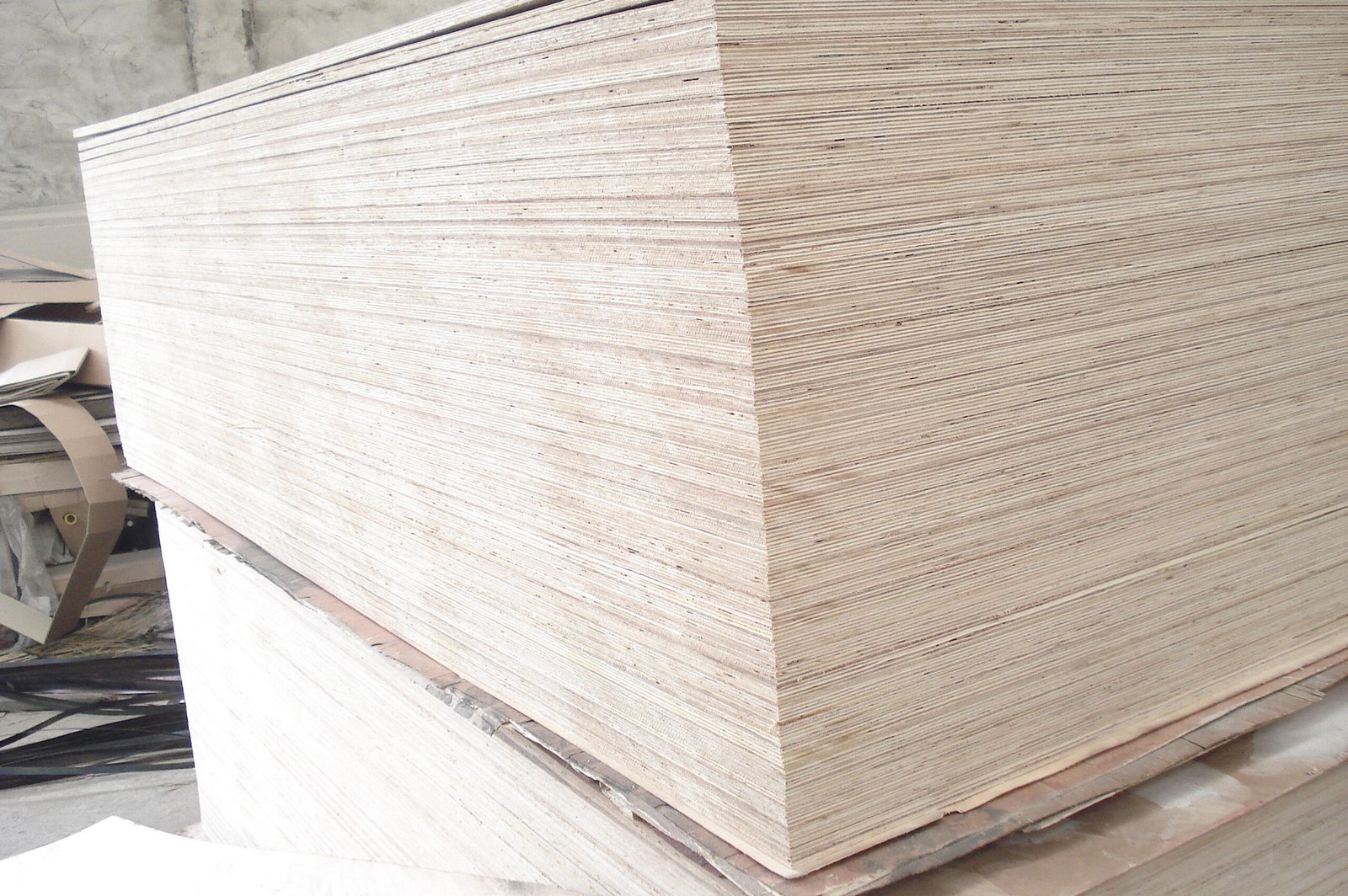
The sheet lands in the trolley and the weight tells the hand what the stamp reads on the edge, and construction plywood density follows the species, the glue, and the press that build the panel. The denser sheet carries the screw and the load while the lighter panel serves the lining where the weight works against the frame. This guide reads what sets the density, how it acts against the strength, and how to choose the sheet by the duty it carries.
The density comes from the species of the veneer and the amount of resin pressed into the core, because the hardwood layup weighs more than the softwood sheet at the same depth. The press closes the layers at the ratio the standard asks. Read the species and the weight follows.
The hardwood veneer builds the heavier panel while the softwood core keeps the sheet light for the sheathing, because the fibre of each species carries its own weight into the press. The species sets the base density. Read the core against the duty.
The resin that binds the layers adds its share to the finished weight, because the glue line between the veneers contributes to the sheet that leaves the press. The press ratio holds the panel at the standard. The bonded core carries the resin with the wood.
The heavier panel often carries more load at the same thickness, but the crossed core matters more than the weight alone, because the light sheet with the true layup holds where the dense panel with the void fails. Read the strength against the rating rather than the scale. The stamp leads the choice.
The heavier sheet carries the working load at the same depth while the lighter panel serves the lining, because the fibre packed at the press shares the load across the layer. The weight hints at the duty. Read it against the span rating.
The dense sheet can still hide the void that the layup left between the layers, because the weight alone does not show the gap the screw meets. The clear core holds the fastener where the void strips it. Cut the edge and read the layer.
The screw holds harder in the dense face where the threads engage the fibre, while the light panel needs the pilot that keeps the layer whole under the drive. The face density decides the hold at the fixing. Read the panel against the fastener.
The dense veneer gives the thread the fibre to bite, because the compressed grain holds the pull that the loose core releases. The hardened face carries the bracket and the hinge. Choose the denser face where the load hangs.
The light sheet takes the pilot hole that sends the screw straight without the split at the edge plys, because the loose fibre starts the crack that the blind drive opens. Drill the pilot and the light panel holds. Match the hole to the sheet.
The floor deck takes the denser sheet that carries the walking load while the lining serves the lighter panel that the frame carries easily, because the duty sets the weight that belongs in the wall or the floor. Read the duty against the scale. The right weight serves the place.
The subfloor, the stair, and the loaded shelf take the dense sheet for the fibre that holds the span and the fastener, because the walking load asks for the panel that does not flex. The dense panel carries the structure. Match the weight to the load.
The wall lining, the ceiling, and the raised panel take the lighter sheet because the frame carries the weight that the dense panel brings and the lift matters more than the mass. The light panel closes the room. Choose the weight against the fixing line.
The hand and the stamp both read the panel, because the sheet that feels heavy for its depth often carries the hardwood core while the light sheet serves the softwood class. The feel confirms the label. Read both before the cut.
Lift the sheet and compare it to the depth, because the panel that feels light for its thickness may read as the softwood sheathing that the floor should not take. The heft checks the class. Confirm the stamp with the hand.
The cut edge shows the layer count and the void that the scale hides, because the pressed veneers read their number at the line where the blade crosses. The edge tells the truth for the fastener. Look at the core before the screw drives.
The choice fails in a few familiar places: the light sheet sent to the floor, the dense panel hung on the thin frame, and the void that the weight never showed. Each mistake goes back to the duty rather than the number. Read, lift, and cut.
A light sheet under the walking load flexes where the dense panel holds, so move the dense class to the floor and return the light sheet to the lining. The duty sets the weight. Read the load against the panel before the delivery.
The void that strips the screw hides behind the heavy sheet, so cut the edge and read the core before the fastener line starts. The clear core holds the thread. Reject the panel that shows the gap.
The spec on the drawing sets the class and the duty while the yard matches the sheet that reads it, because the number on the plan leads the order rather than the weight of the sample. Read the spec against the stamp. The matched sheet serves the drawing.
The drawing names the class for the load and the exposure while the stamp on the sheet reads the same duty at the yard, because the matched pair keeps the plan honest. Compare the two before the truck loads. The matched class closes the order.
Check the delivered sheets against the spec at the gate, because the panel that arrives at the wrong density holds the schedule up at the install rather than at the order. Read the stamp on the stack. Confirm the class before the crew starts.
These are the questions site teams ask most about the panel weight.
The density follows the species and the resin pressed into the core, so the hardwood sheet weighs more than the softwood panel at the same depth. Read the species against the duty rather than the scale alone.
The heavier sheet often carries more load at the same thickness, but the crossed core and the clear layer decide the strength that the fastener meets. Read the span rating and cut the edge against the weight.
The dense face gives the thread the fibre to bite while the light panel takes the pilot that keeps the layer whole under the drive. Match the hole to the sheet and the fixing holds.
The floor takes the dense sheet that carries the walking load without the flex, because the loaded deck asks for the fibre that holds the span. Read the span stamp against the framing before the order.
The light sheet serves the lining and the ceiling where the frame carries the weight and the lift matters, while the loaded floor takes the dense panel. The duty rather than the weight decides the class.
Read the species, the core, and the duty against each other, and the construction plywood density becomes the spec that leads the order rather than the surprise that arrives on the truck. The matched weight serves the drawing. When the build needs panels specified for the load, HYY supplies sheets with the class, thickness, and bond marked on every panel, and the Commercial Plywood and OSB Board pages show the stock for the structure and the lining. The complete plywood product range backs the spec before the delivery is booked.