Our Location
5th Floor, Huake Center, Lanshan District, Linyi City, Shandong Province, China

5th Floor, Huake Center, Lanshan District, Linyi City, Shandong Province, China
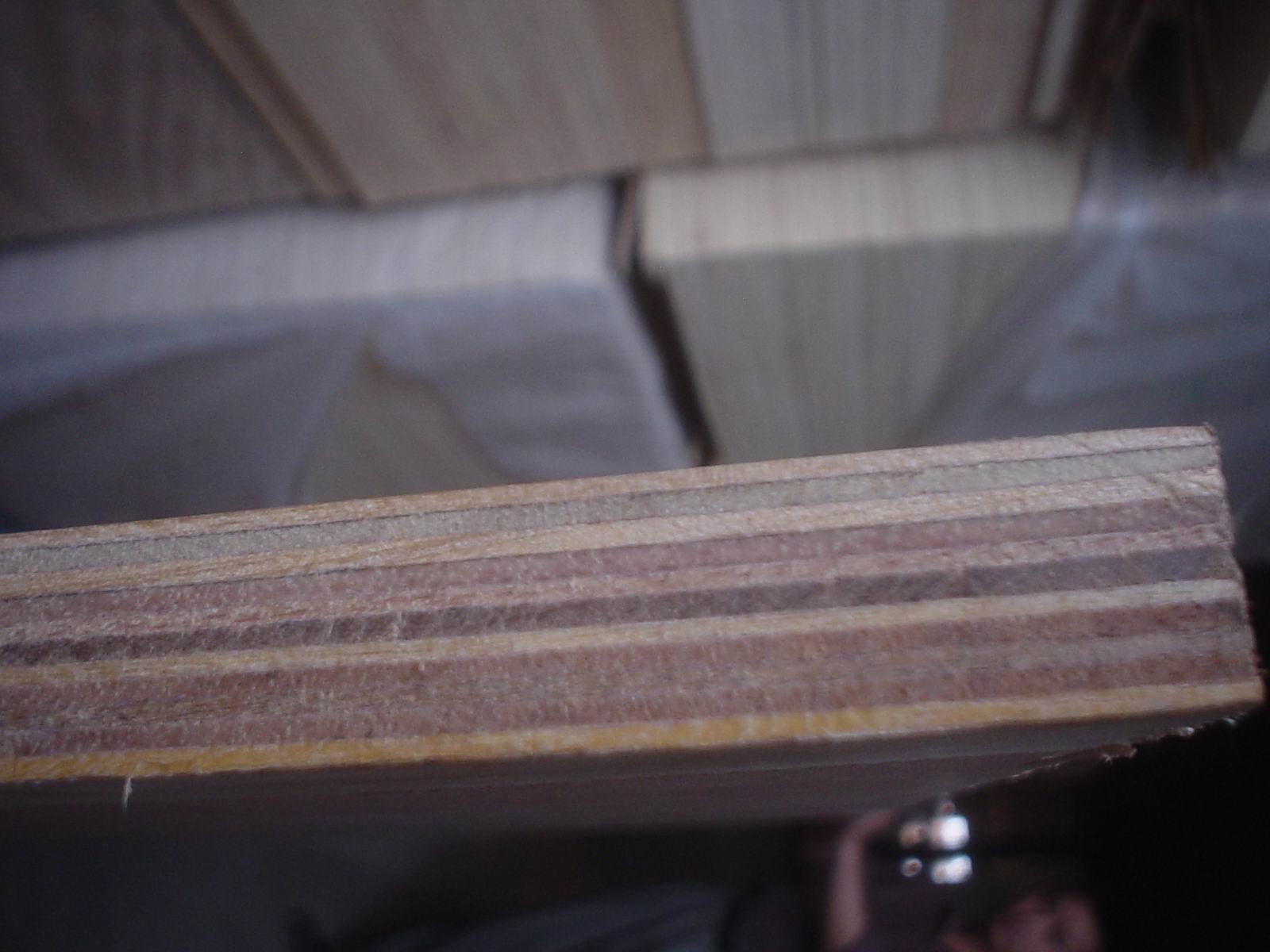
The sheet rack holds more than one family of panel, and the plywood kinds answer to the core, the face, and the bond rather than the size on the label. Softwood panels carry the structure, hardwood panels take the finish, exterior bonds hold the moisture, and the flexible and decorative sheets serve the curves and the visible faces. This guide walks the families of the panel so each part of the build takes the sheet it needs.
The core species sets the weight, the strength, and the price of the panel, because the veneer comes from the softwood forest or the hardwood stand. Softwood cores build the structural sheets and the sheathing, while hardwood cores take the finish faces and the furniture work. Read the core and the panel class follows.
The softwood panel builds from the pine, spruce, or fir veneers that keep the sheet light and the price honest for the sheathing, the subfloor, and the utility work. The softwood core takes the fastener and the structural load at the trade rate. It is the workhorse family of the sheet rack.
The hardwood panel builds from the birch, oak, or maple veneers that carry the finish face and the furniture joinery, and the denser core holds the edge cleanly under the routing. The hardwood family serves the visible work where the face reads in the room. Choose the hardwood where the finish shows.
The glue line decides where the panel serves, because the bond class sets the moisture the sheet can take at the cut edge. Exterior bonds hold the wet exposure and the outdoor build, while the interior bonds stay in the dry rooms. Read the bond stamp before the panel reaches the wet zone.
The exterior-bonded panel survives the wet weeks of the build and the damp service that the boat and the bathroom meet, while the marine sheet pairs the waterproof glue with the clear, void-free core for the hull and the exposed deck. The bond class carries the moisture rating. Take the exterior family to the water.
The interior-bonded panel serves the dry furniture and the hidden structure where the moisture never reaches the core, and the lower bond price fits the protected work. The interior family stays behind the walls and under the finish. Keep it out of the wet exposure.
Some sheets build for the shape rather than the load, because the construction changes what the panel can do with the curve and the bend. The flexible panel takes the radius, the decorative panel takes the eye, and the structural panel takes the span. Match the construction to the form the build asks for.
The flexible panel builds with the long grain and the thin layers that let the sheet roll into the curve of the arch, the drum, and the rounded corner, and the panel holds the shape once the glue cures. The bendable family turns the flat stock into the form. Take it where the line curves.
The decorative panel carries the sliced veneer or the melamine face that reads in the cabinet and the wall, while the film-faced sheet takes the smooth, hard skin that the concrete form and the durable worktop meet. The face decides the family for the visible work. Read the face letter and the surface.
The right sheet follows the moisture, the load, the face, and the shape in that order, because each question cuts the family list down to the panel the build needs. A wet structural job takes the exterior softwood, and a curved feature takes the flexible sheet. Run the four questions and the choice narrows.
Ask where the moisture reaches the panel, because the wet zone cuts the list to the exterior and marine families before the price or the face matters. The bond class sets the service life at the cut edge. Answer the moisture first and the rest follows.
Ask whether the face reads in the room and whether the line curves, because the visible work takes the hardwood or the decorative family and the curve takes the flexible sheet. The face and the form finish the choice that the moisture started. Match the family to each part.
The panel fails in the choice rather than the sheet: the interior family in the wet zone, the softwood under the finish face, and the rigid panel forced into the curve. Each mistake goes back to the family question that was skipped. Run the four questions before the order is placed.
An interior-bonded sheet in the bathroom or the outdoor build drinks the moisture at the open edge and swells the core that the finish cannot hide, so the exterior family carries the wet exposure. Move the bond class up before the panel is cut. The wet zone reads the bond first.
A rigid structural sheet forced into the arch snaps the veneer and lifts the face that the flexible family would have rolled, so the bendable panel serves the curve. Choose the construction that the shape needs. The curve takes the flexible family.
Each room reads its family: the kitchen cabinet takes the hardwood face, the subfloor takes the exterior softwood, and the boat hull takes the marine sheet. The room sets the moisture and the face, and the family follows the reading rather than the habit. Read the room first and the panel class answers with the bond and the face that the space needs. The right family keeps the panel stable for the years of service.
The kitchen cabinet and the furniture piece take the hardwood or decorative family for the face that reads in the room, with the moisture-resistant bond behind the sink base. The visible work sets the face while the wet corner sets the bond. Pair the face with the bond for the room.
The subfloor, the sheathing, and the outdoor build take the exterior softwood family because the structural load and the wet exposure both land in that class. The structure family carries the span and the moisture. Take it to the frame and the weather.
These are the questions buyers ask most when they compare the plywood kinds.
The families split by core species, bond class, and construction: softwood and hardwood cores, interior and exterior bonds, and the structural, flexible, and decorative sheets. Each family serves the load, the moisture, or the face.
Softwood panels build from the pine and fir veneers for the structure at the trade rate, while hardwood panels build from the birch and oak veneers for the finish faces and the furniture work. Choose by the face and the load.
The exterior-bonded panel holds the wet exposure, and the marine sheet pairs the waterproof glue with the clear core for the hull and the deck. The interior family stays in the dry rooms.
The flexible and bendable family rolls into the curve of the arch and the drum, and holds the shape once the glue cures. The rigid structural sheets snap under the same bend.
Answer the moisture, the load, the face, and the shape in that order, because each question narrows the family list to the panel the build needs. The bond class leads and the face finishes the choice.
Read the moisture, the load, the face, and the shape against each sheet, and the plywood kinds sort themselves into the panel that belongs in the build. The family choice carries the service life that the wrong sheet drops, and the four questions keep the order simple from the rack to the frame. When the project needs a specific family cut for the run, HYY supplies the structural, hardwood, and decorative sheets with the core and bond marked on every panel, and the Commercial Plywood and Fancy Plywood pages show the families for the structure and the face. The complete plywood product range backs the order before the cut list starts.