Our Location
5th Floor, Huake Center, Lanshan District, Linyi City, Shandong Province, China

5th Floor, Huake Center, Lanshan District, Linyi City, Shandong Province, China
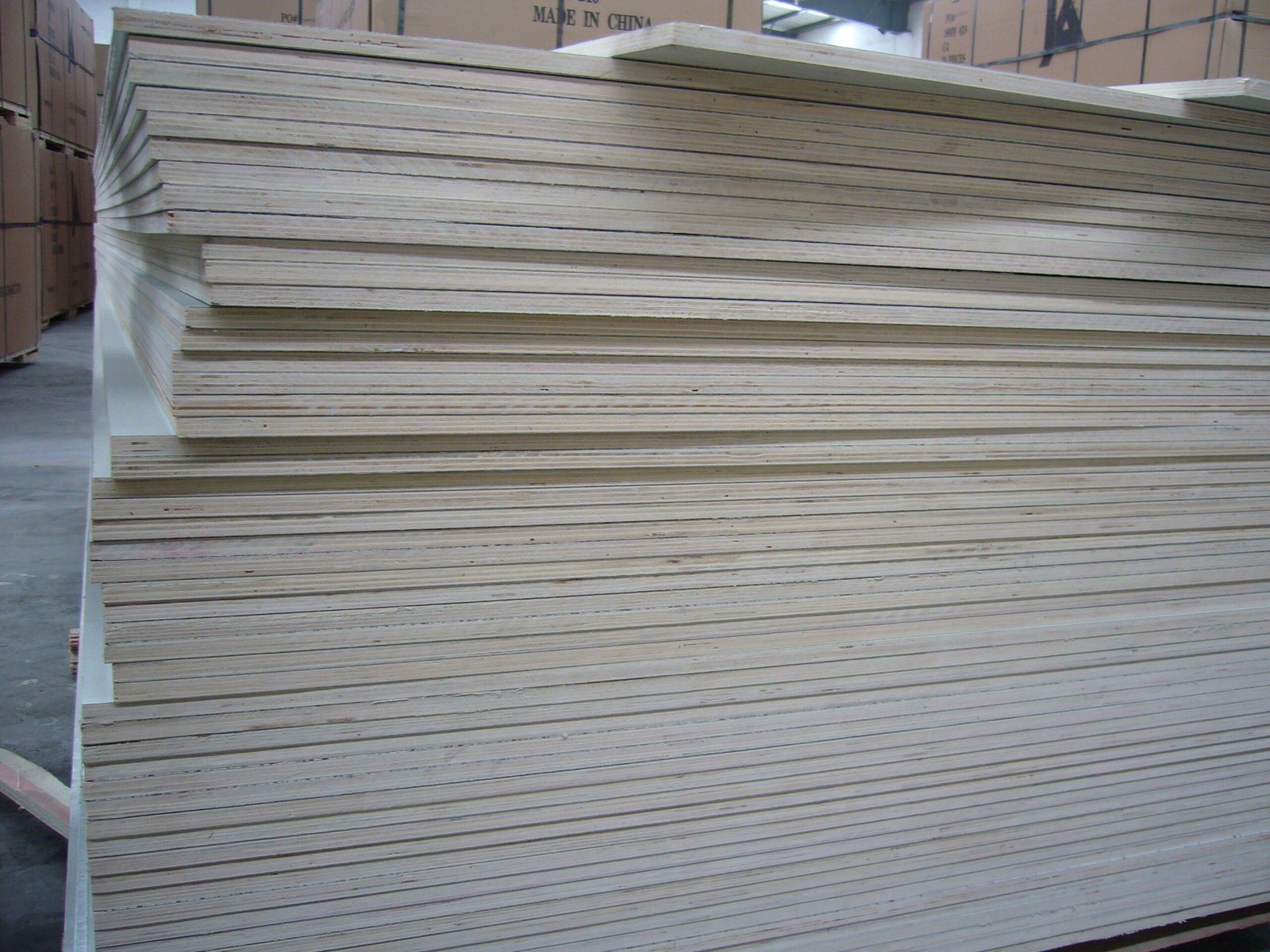
The two-letter code on a plywood sheet tells the whole story of each face, and a plywood b bb grade panel pairs a B face with a BB back at a price that sits between the premium tiers and the utility ones. The first letter names the visible face and the second names the hidden side, so the panel buys the appearance where it shows and the budget where it hides. This guide covers what the B BB code means, how the two faces differ, and where the panel earns its place in a build.
Every graded plywood sheet carries a face pair stamped on the panel, and the letters run in order: the first letter is the front face and the second is the back. A B BB panel shows its B face to the room and its BB face to the wall, with each side meeting its own appearance standard. The code is the order in miniature and the stamp is the document that settles the claim.
The first letter names the face that stays visible in the finished work, so it carries the appearance standard the design inspects. A B front allows small, neatly filled knots and light repairs that a paint film covers without a telegraph. That face earns its place on the painted cabinet and the visible shelf.
The second letter names the hidden back, where the appearance standard relaxes and the price follows. A BB back accepts more repairs and a slightly rougher veneer than the B front, because the wall side never sees the inspection. The two-tier pairing keeps the premium face on the visible side and the savings on the back.
The B face sits above BB on the appearance ladder, with fewer repairs and a cleaner grain that the paint film covers with ease. The BB back carries a slightly looser defect allowance that stays invisible behind the finished face. Each face serves the side of the panel its exposure demands.
A B face allows small, sound knots, tight patches, and the light colour variation that a solid paint covers without a shadow. The veneer presents a smooth surface for the primer and the topcoat, and the panel reads clean under the finish. That face keeps the visible side inside the painted standard.
The BB back accepts slightly larger repairs and a more varied grain than the B front, because the hidden side never carries the design. The face stays sound and structural while the appearance relaxes one step down the ladder. That step is where the budget finds its first saving.
The B BB panel works wherever one side stays visible and the other hides against the wall or the frame, and that covers a large share of the furniture and joinery work. Cabinet backs, shelving, and the painted interiors all take the two-tier panel without the premium of a matching pair. The code saves the budget on the side nobody inspects.
The painted cabinet takes a B front for the door and the visible carcass panels, while the back panel and the hidden sides run the BB standard under the same panel. The visible box reads clean and the back saves the step without the build noticing. The pairing scales across a full kitchen run.
Built-in wardrobes and shop fittings take the B BB panel where the front face meets the room and the back disappears against the wall. The joinery holds the same structural rating across both faces while the appearance tier splits. The two-letter code keeps the order honest on both sides.
Write the order with the face pair, the bond class, and the thickness together, because the B BB code only settles the appearance and the exposure needs its own line. Confirm the stamp at delivery so the shipped sheet matches the written pair. The specification ties the code to the delivered panel.
State B BB, the bond class for the exposure, and the sanded thickness in the order line, so the panel arrives ready for the cut list. The face pair sets the price and the bond sets the service life in the same specification. A sheet that matches the drawing installs without the return trip.
Read the grade stamp on the delivered sheet against the order, because the label on the rack and the stamp on the panel do not always agree. The stamp names both face letters and the bond class that the project depends on. Check the sheets before they leave the delivery stack.
The two-letter ladder offers several pairings, and the B BB panel sits in the middle where the visible side takes a standard face and the back relaxes one step. An A-B panel carries a cleaner front and a matching B back at the premium, while a B-C panel drops the back further for the fully hidden side. The pair follows the exposure of each face.
Choose B BB when the front face takes a painted finish and the back stays against the wall, because the B front carries the paint and the BB back saves the premium. The pairing fits the large class of painted furniture and joinery. Step up to A-B only when the front needs the clear finish.
A fully hidden panel takes B-C or C-C where neither side sees the room, and a clear-finished front takes A-B for the matched veneer. The B BB pair serves the painted visible work that covers most of the build. Read the finish plan and the pair follows.
The B BB price sits below the matching pairs because the back letter relaxes one step, and the saving scales across a large order. The panel buys the appearance where the eyes land and keeps the utility standard where they do not. Read the step per sheet and the budget of a painted build follows.
Dropping the back from B to BB takes a measurable step out of the per-sheet price, and the difference grows with the volume of a full kitchen or wardrobe run. The back letter is the first place a smart order saves. The visible face keeps its standard while the budget stays honest.
B BB panels move in full packs at the lower unit rate, and the consistent batch keeps the painted run uniform across the order. Confirm the pack count and the face pair on the volume buy. The pack price turns the two-tier panel into a planned line item.
These are the questions buyers ask most with a plywood B BB grade panel.
It is a two-face code: the front face meets the B standard and the back meets the BB standard. The B front carries the painted visible work and the BB back saves the budget on the hidden side.
B allows small, sound knots and light repairs that paint covers, while BB accepts slightly larger repairs and a more varied grain. The structural rating stays the same; the appearance tier steps down one level.
Yes, the B front takes the primer and topcoat with ease and the paint covers the small repairs. The BB back takes paint on the hidden side where the appearance standard is lower.
It suits painted cabinets well: the B front carries the visible panels and the BB back handles the hidden sides and the rear panel. The pairing saves the premium on the side that never shows.
The stamp names the face pair first, then the bond class and the thickness, so B BB with an exterior bond at a set thickness reads as one line. Read all three against the order before the sheets leave the yard.
Set the B face for the painted front, let the BB back carry the hidden side, and confirm the stamp and bond at delivery, and the order keeps the budget inside the standard. The two-letter code is the whole specification in miniature. When the order needs B BB panels with the bond and thickness marked on the sheet, HYY supplies graded panels across the face ladder, and the Commercial Plywood and Fancy Plywood pages show the faces for the painted and clear-finished work. The complete plywood product range backs the order before the cut list starts.