Our Location
5th Floor, Huake Center, Lanshan District, Linyi City, Shandong Province, China

5th Floor, Huake Center, Lanshan District, Linyi City, Shandong Province, China
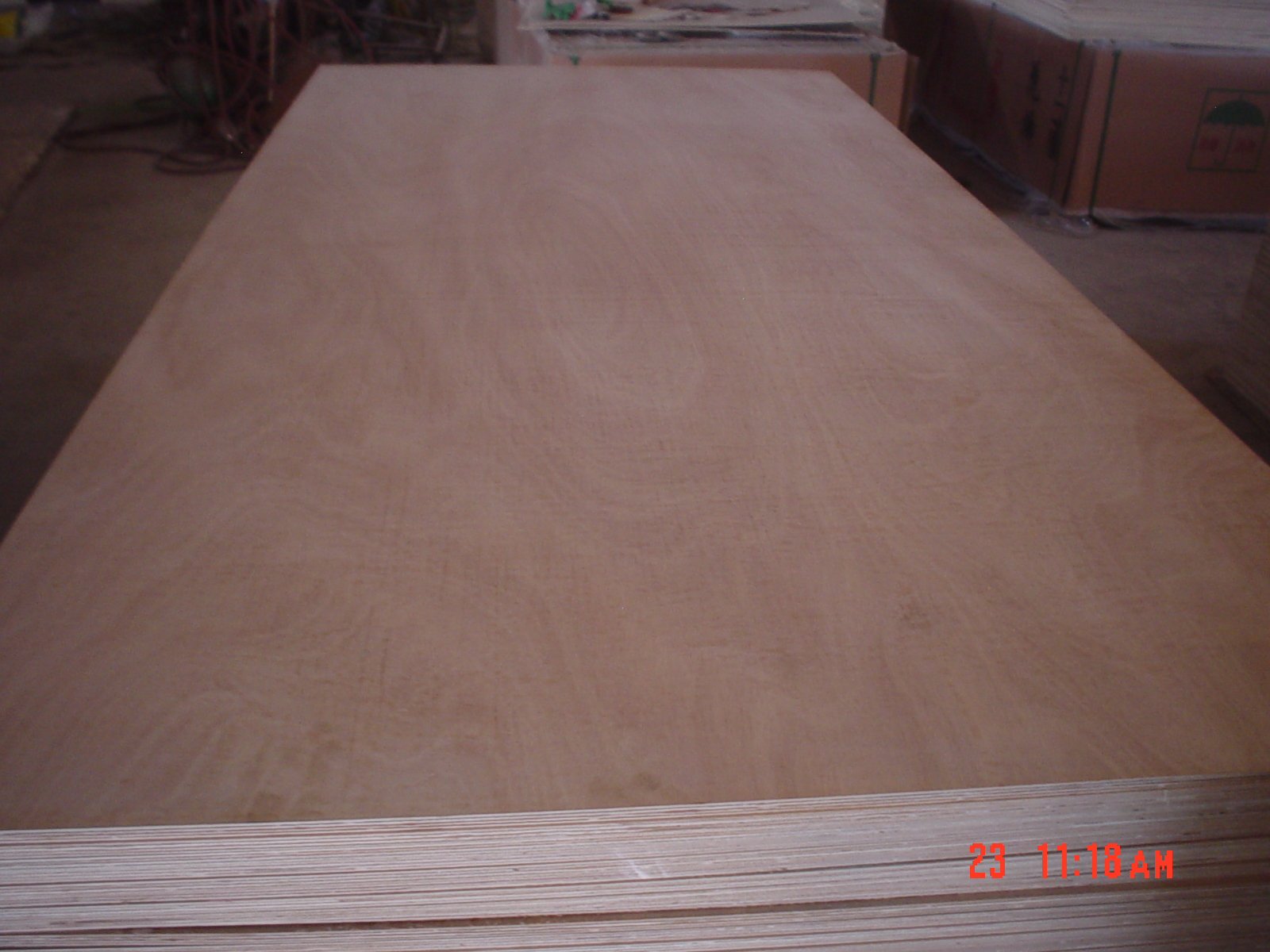
The panel that never shows gets the cheapest face, and plywood c grade is the utility tier where open knots, patches, and loose grain find their home at a working price. C grade covers the hidden sides of a build: the back of a cabinet, the underside of a deck, the packaging that ships the product. This guide covers what the C face allows, where the grade earns its place, and when stepping down to C saves the budget without costing the structure.
The C face opens up the defect list that the A and B faces reject: knots up to a set size, open repairs, and colour variation that a clear finish would never hide. The panel keeps its structural bond and thickness while the face takes the rougher veneer. The grade reads as the wood with its history showing.
A C face may carry open knots, tight knots with splits, and veneer patches that break the grain line, plus the colour swings between the sheets. The defects stay cosmetic on a face that will be covered, and the panel still holds its layup rating underneath. The face tells you the panel is built for work, not display.
The C grade changes the appearance, not the core: the same glue line and the same veneer count carry the load the sheet was pressed for. A C face panel can hold the same structural rating as a higher face of the same thickness. The utility face saves the money that the appearance tier would spend.
Every build hides something, and the hidden side is where C grade does its best work. Back panels, subfloors, roof sheathing, and the inside of packing crates take the utility face because nobody inspects the face that faces the wall. Choose C wherever the panel is covered, and the budget thanks the decision.
The back of a cabinet, the lining of a shed, and the sheathing behind a finished wall all take C face panels without the build noticing. The face disappears behind the structure the moment it is fixed in place. The panel performs while the face stays out of sight.
Subfloors and roof decks take the utility face under the covering layers, and concrete formwork takes the C face where the film or the release agent does the surface work. The span rating and the bond carry the load while the face stays rough. The panel does the structural job at the utility price.
The two-letter code lets a build buy one premium face and one utility back, so an A-C panel shows its A front to the room and its C back to the wall. The pairing cuts the cost of a visible panel in half where only one side ever shows. Match the letters to the actual exposure of each face.
An A-C panel carries a clear-finish front with a rough back, and a B-C panel pairs a paintable front with the utility reverse. A C-C panel keeps both faces utility for work that shows neither side. Name both letters on the order so the delivered sheet matches each face to its exposure.
Read the grade stamp on the delivered sheet and confirm both letters against the order, because the cheaper C face arriving on the front is the classic substitution. The stamp documents the promise and gives the claim its reference. Check the sheets before they leave the delivery stack.
The ladder around C puts D below it with the open defects and loose patches of the lowest tier, and B above it with the small repaired knots that paint covers. C sits in the middle where the defects stay limited and the panel still presents a workable face. The choice follows the exposure of each side.
D grade accepts the large open knots, the voids, and the damaged veneer that C limits, so it serves the applications where appearance has no role at all. The price drops with the face quality, and the structure keeps its bond. Take D for the truly hidden work and keep C where the face might be seen.
A painted visible face takes B because the paint covers the small repairs, while a C face under paint telegraphs the open knots through the film. Spend the step up on the visible side and keep C for the back. The paint decides the front grade more than the budget does.
Write the order with both face letters, the thickness, and the bond, and the C grade carries the job at the utility price. Confirm the species and the span rating match the drawing, because the C face comes in the same structural variants as the higher faces. The stamp ties the specification to the delivered panel.
State the face pair, the sanded thickness, and the structural rating together so the panel arrives ready for the cut list. The thickness sets the span and the face pair sets the price in one order line. A sheet that matches the drawing installs without the return trip.
Exterior sheathing and wet-area formwork pair the C face with an exterior bond, while the interior lining takes the interior bond. The exposure picks the glue and the face pair picks the cost. Confirm both on the order before the mill cuts the sheet.
C grade prices below the B and A tiers because the veneer yield runs high and the sorting stays light, so the utility face passes the savings to the order. The panel costs the working rate per square metre that covered work can afford. Buy C where the face never shows and keep the premium faces for the display.
The mill sends the clean veneer up the grades and the rougher sheets down to C, so the C price reflects an easy yield rather than a scarce one. The step down from B to C is the first real saving on a large order. Read the step per sheet and the budget of a covered build follows.
C grade panels move in full packs at the lower unit rate, and the consistent pack keeps the covered work uniform across the order. Confirm the pack count and the face pair on the volume buy. The pack price turns the utility face into a planned line item.
These are the questions buyers ask most with plywood C grade.
C grade is the utility face tier that allows open knots, patches, and colour variation. The panel keeps its structural bond while the face takes the rougher veneer.
You can paint it, but the open knots and patches may telegraph through the paint film. Painted visible work takes B, while C stays behind the covering.
A-C pairs a premium visible A face with a utility C back for panels that show only one side: cabinet backs, panelling, and covered sheathing.
Yes, the C face changes the appearance rather than the core, so the same glue line and veneer count carry the rated load. The bond and thickness set the strength.
Use it for backs, subfloors, roof sheathing, formwork, and any surface that gets covered. Keep A and B for the faces that stay visible.
Match the face pair to the exposure of each side, confirm the grade stamp at delivery, and keep the premium faces for the visible work. The utility face carries the covered build at the honest price. When the order needs C grade panels with the bond and thickness marked on the sheet, HYY supplies working panels across the face ladder, and the Commercial Plywood and OSB Board pages show the structural panels for the covered build. The complete plywood product range backs the order before the cut list starts.