Our Location
5th Floor, Huake Center, Lanshan District, Linyi City, Shandong Province, China

5th Floor, Huake Center, Lanshan District, Linyi City, Shandong Province, China
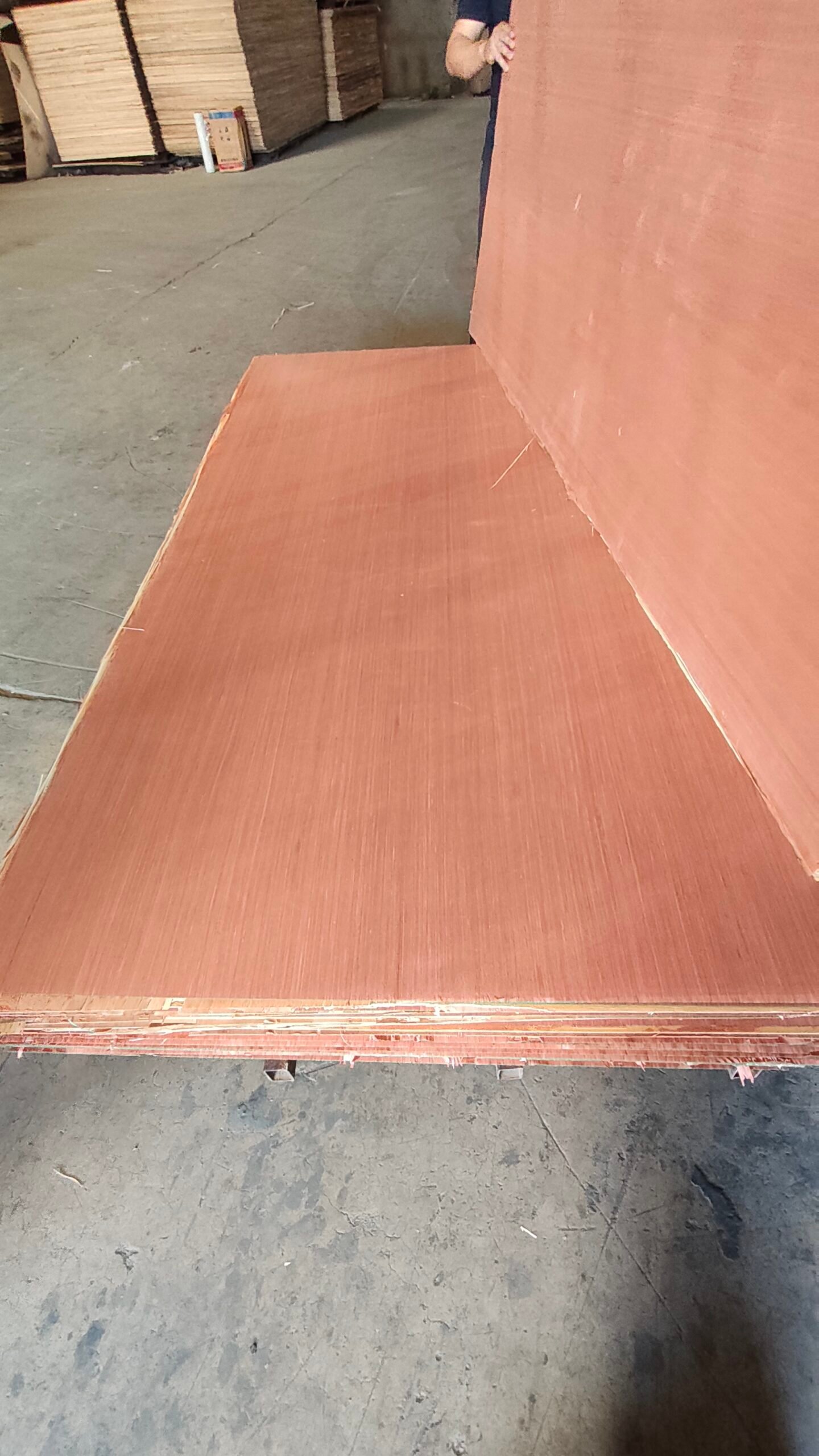
Between the flawless A face and the utility D grade sits the workhorse of visible work: the plywood b grade face with a few small, well-repaired knots that paint and varnish cover without trouble. Builders reach for B grade wherever the panel shows but the job does not justify the cost of a mirror finish. This guide explains what the plywood b grade face tolerates, how double-sided markings like B-B work, and how to choose it without paying for an A face you will cover anyway.
The B face sits second on the plywood ladder, and the grade permits small knots, patches, and minor repairs that the panel carries without failing. The face allows tight pin knots, slight colour variation, and carefully filled patches, all spots that paint and laminate cover cleanly. The buyer reads the B face as a visible surface that needs a finish, not as a structural compromise.
A B face tolerates neatly repaired defects, patches cut from the same veneer, and small man-made repairs that the mill fills flush. The repairs hold the face flat and paint over with no visible seam. A buyer who plans to paint or laminate the surface sees the B grade as the budget that buys the result.
B faces exclude open splits, large knots, stain, and the deep defects that would break the painted surface. The line matters: B means repairable character, not a damaged panel. Cross-check the delivered sheet against the grade, because a panel carrying open defects is over-graded.
Most visible panels carry a two-letter face marking, one letter for each side, so a B-B panel shows a B face on both faces and a B-C panel pairs B with a utility C back. The marking names the panel’s two lives: the show face and the hidden back. The two-letter code lets the buyer pay for the good face once.
A B-B panel suits shelving and cabinet work where both sides might show, while a B-C panel fits cabinets with a finished front and a structural back. The C back carries the strength at a lower face cost. Name both faces in the spec and the order matches the panel’s real use.
Grade letters differ by market and standard, so the B in one system may not match the B in another. Confirm the face description and the standard with the supplier before the order, and read the stamp for the exact basis. The local grade letter names the local face rules.
B grade panels land in the positions that matter: cabinet carcase fronts, panelling, shelving, furniture parts, and any visible surface that will take paint or a finish coat. The face covers the working strength at a price beneath a premium A. Paint and laminate seal the small repairs, and the build keeps its budget.
Cabinet doors, drawer fronts, and interior panelling carry a B face that paints and finishes clean, while the core supplies the stability the door needs. The B face accepts the small knots that the paint fills. A furniture face in B grade looks finished once the primer and the colour do their job.
Bookshelves, wardrobe sides, and fitted furniture use B face panels where the surface shows but the room will not inspect the grain. The panel keeps the shelf flat across the span and the paint evens the B repairs. The B face balances the visible look against the visible price.
The three grades cover the visible spectrum of the plywood face, and the gap between them shows in the repairs, the match, and the price. An A face carries near-perfect veneer with no visible repairs, while B permits the small tidy repairs that A rejects. The C face drops further into open defects that a finish can not hide.
Clear-finish work and decorative veneer tops want the A face because the transparent finish shows every repair underneath. A face veneer matches and paints or clear-coats with no patch to see. Reserve the A face for the surfaces that demand it, and save the B panel for the painted work. A cheap MDF Board back panel pairs with the B face front to keep the cabinet bill lean.
A C face allows knots, stains, and repairs that crawl through a painted finish, so C stays on utility and structural work. Visible cabinetry on C grade ends up patched again at the bench, which costs more than the B panel saved. The visible face buys the level the finish can cover.
Write the order with the face grade on both sides, the surface finish plan, and the thickness for the span, and the delivered panel matches the drawing. A B face intended for paint pairs with a C or B back depending on how much the reverse shows. State the finish so the face grade and the prep work align.
Sand the B face, fill the small patches flush, and prime before the colour so the repairs disappear under the film. The B’s tidy defects paint out with normal furniture prep. A thin coat of primer over the filled spots locks the repair flat before the topcoat.
Check the delivered sheet carries the two-letter marking that the order named, B-B, B-C, or the local equivalent. The stamp documents the face promise before the panel reaches the bench. Reject a substitute whose back face downgrades the hidden side of the build.
The B face lands between commodity and premium, so the price follows the repairs the grade allows and the yield the mill keeps. B panels cost more than the utility C face and less than the clear A. The saving over A is real, and the painted finish closes the gap at the wall.
Mill sorting routes repairable veneer to the B line and keeps the clean sheets for A, so the B price stays below the premium face. The gap between B and A varies with the veneer-grade supply. Buy B where paint does the finish, and the gap goes into the budget.
B grade panels buy in full packs at the lower unit rate, and the stable face keeps the batch consistent for the fit-out. Confirm the pack count and the face on both sides of the sheets before the volume order lands. The pack rate turns a visible build into an affordable one.
These are the questions buyers raise most with B grade panels.
B grade carries a smooth face with small, tidy repairs, tight pin knots, and minor colour variation. The defects are small enough that paint and laminate cover them cleanly.
A grade shows near-perfect veneer with no visible repairs, while B permits small knots and neatly filled patches. Clear finishes need A, and painted work takes B at a lower price.
Yes, B grade paints cleanly with normal preparation: sand the face, fill the small patches, prime, and colour. The repairs disappear under the paint film.
The two-letter marking names the face grade on each side. B-B means a B face on both sides, and B-C pairs a B face with a utility C back.
Use B grade wherever the surface shows but will take paint, laminate, or a finish coat: cabinets, panelling, shelving, and furniture. Reserve A for clear finish and C for hidden work.
Name both faces, match the grade to the finish, and confirm the stamp at delivery so the panel does the building’s visible work honestly. Prepare the B face with a primer and the patches vanish under the colour. When the build needs a painted face that stays in budget, HYY supplies B face panels across the range, and Melamine Plywood removes the painting step for cabinet fronts altogether. The complete plywood product range covers the face from A to D before you order.