Our Location
5th Floor, Huake Center, Lanshan District, Linyi City, Shandong Province, China

5th Floor, Huake Center, Lanshan District, Linyi City, Shandong Province, China
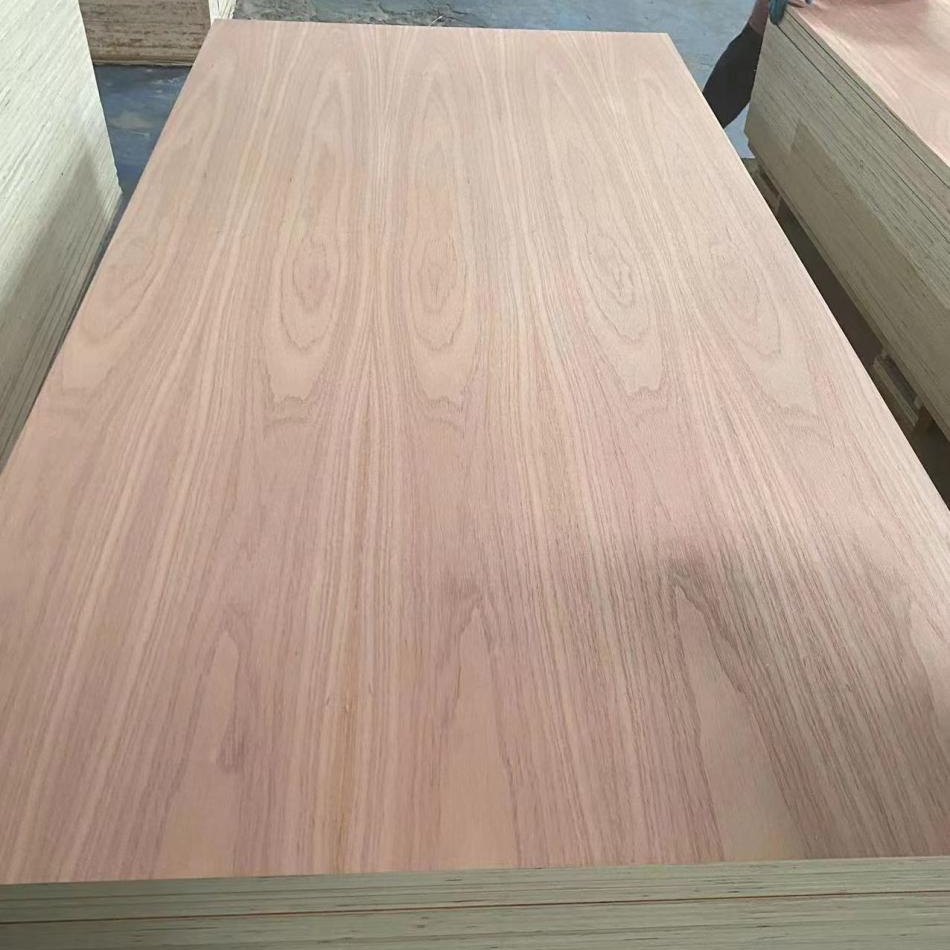
Plywood earns its place in almost every build because the cross-laminated core handles both strength and stability at a price the job can afford. The question how is plywood used comes down to matching the panel to the load, the exposure, and the face the project shows. This guide maps the main uses across construction, furniture, and industrial work, and explains which panel type fits each position.
The biggest share of plywood goes into the structural shell, where the panel carries loads that the frame hands to it. Wall sheathing, roof decking, and subflooring all use structural plywood rated for the span and the exposure. The panel stiffens the frame against wind and load, and the bond and the rating decide where each sheet can serve.
Plywood fixed to the outside of stud walls provides racking strength that holds the frame square under wind. The sheets distribute the push across the wall line and give the cladding a flat base. Match the thickness to the spacing and fasten at the schedule so the bracing actually transfers the load.
Roof sheathing runs the panels across the rafters to form the deck that carries the underlay and the cover. The deck spreads the roof load between supports and keeps the cover flat over the frame. Cut valves and penetrations cleanly and the deck drains properly under the covering.
Subfloor panels go down over the joists to make the working platform and the finished floor base. The sheet carries furniture, traffic, and the finish above, so the thickness follows the joist spacing. Keep the deck dry until the floor finish goes down and the subfloor stays flat under use.
Inside the building, plywood becomes the panel of choice for cabinets, shelves, doors, and fitted furniture because it cuts clean, screws well, and stays flat. Hardwood-faced and melamine-faced panels bring an interior grade with a finish that saves painting time. The core stiffness carries the shelf across the width without sagging.
Cabinet carcases, drawer boxes, and shelving use interior plywood for the flat, screwable surface that a finished kitchen needs. A melamine face resists scuffs and wipes down easily, which suits the working surface of a cabinet. The panel holds hinges and slides firm over years of opening and closing.
Interior doors, wardrobe fronts, and wall panelling use a smooth-faced plywood that takes paint or laminate well. The stability of the cross-laminated core keeps the door flat instead of twisting like solid timber. A balanced finish on both faces keeps the panel flat through seasonal humidity.
Built-in desks, shelves, and light worktops use plywood for the flat surface and the clean edge. Thicker panels carry the load without a frame underneath, and the edge seals to keep the core dry. The visible face chooses the grade, while the core keeps the structure honest.
In the concrete and industrial world, plywood takes abuse that no wall panel would survive, and a film faced or structural sheet handles it. Concrete formwork presses wet concrete into shape, and the panel releases clean and survives repeated pours. Packing and staging panels absorb impact and moisture while protecting the goods they carry.
Concrete formwork uses a phenolic film faced plywood that strips from the concrete without sticking and returns for the next pour. The film resists moisture, and the core stays strong across the wet cycles. A film faced panel costs more than a raw structural sheet but earns the price back in reuses.
Crate floors, pallet decks, and packing trays carry heavy goods across ports and trucks, and plywood holds the fasteners and the load without splitting. Utility grades keep the packing cost low while the core takes the impact. The strong panel protects the freight better than a loose timber frame.
Workshop staging, temporary decking, and site platforms use plywood panels that take foot traffic and wheeled loads. The flat surface spreads the weight and gives a level working plane. Buy structural or commercial grades for staging so the panel carries the live load of the worksite.
Plywood panels find a natural home converting vans, fitting boat interiors, and building workshop trailers because they stay flat in moving environments. A van build floors and walls with plywood that carries fittings and resists miles of vibration. Exterior and marine grades add the water resistance the moving builds need.
Van builds fix plywood to the floor, walls, and ceiling to carry bedding, storage, and insulation. The flat panel gives the build a solid surface for fittings without the twist of solid timber. Choose the grade by the frame spacing and seal the edges against the moisture of the road.
Boat interiors, deck support, and wet areas need a marine or waterproof bonded plywood that ignores the damp. The void-free core and exterior bond resist the swell that destroys an interior panel near water. Match the bond to the exposure before the panel goes into the damp.
The use decides the panel on four lines: the exposure, the load, the face, and the price. Exterior and wet jobs take a waterproof bond, structural positions take a rated panel, visible positions take a clean or decorative face, and utility positions take the cheapest grade the job accepts. Write the spec across those four lines and the right panel selects itself.
| Use | Panel type | Key requirement |
|---|---|---|
| Wall and floor sheathing | Structural | Span and bond rating |
| Cabinets and doors | Interior or melamine | Flat face, good screwing |
| Concrete formwork | Film faced | Moisture and clean release |
| Packing and staging | Commercial utility | Strength at low face cost |
| Vans and boats | Exterior or marine | Waterproof bond |
The table maps the common uses to the panel that fits each position on the job. The bond and the rating outrank the face everywhere the job works wet or under load.
Every use benefits from the same cutting discipline: score the good face, use a sharp fine-tooth blade, and support the sheet across the cut. A clean edge matters for cabinets and panelling, while a scored structural panel gives a straight fixing line. The cutting care protects the face that the selected grade just paid for.
Seal every cut edge where the core would soak, and edge band the visible faces where the cut shows. A raw plywood edge in a damp cabinet swells and stains, but a sealed or banded edge stays clean. The end grain drinks moisture fastest, so the treatment starts at the slice line.
Drill pilot holes near edges, pick fasteners that match the real thickness, and screw through faces wherever the joint carries load. The strong face holds fixings better than the exposed edge. A panel fixed properly stays true under the load its grade promised.
These are the questions buyers raise most about where plywood fits.
Structural work leads the list: wall sheathing, roof decking, and subflooring. Cabinetry, formwork, packing, and vehicle builds follow depending on the market.
No, the exposure and the load decide the panel. A structural sheet serves framing but a wet job needs a waterproof bond, and a cabinet needs a clean face.
Only exterior or waterproof bonded panels survive outdoors, and even those need sealed edges. Marine grade adds the void-free core for continuous wet service.
The span decides it: 12 mm on short spans, 18 mm or more for wide shelf runs carrying weight. Stiff interiors hold the line without sagging.
Yes, with a balanced finish and sealed edges, plywood furniture holds flat for decades. The cross-laminated core resists the warping that solid timber shows.
Run every order through the four decision lines before the sheet lands: exposure, load, face, and price. Structural positions take the rated panel, wet positions take the waterproof bond, and visible positions take the clean face. When the build needs exactly the right board per use, HYY supplies the range across the applications, from Commercial Plywood for framing to Melamine Plywood for cabinet faces and Film Faced Plywood for formwork. The complete plywood product range covers the panel behind each use.