Our Location
5th Floor, Huake Center, Lanshan District, Linyi City, Shandong Province, China

5th Floor, Huake Center, Lanshan District, Linyi City, Shandong Province, China
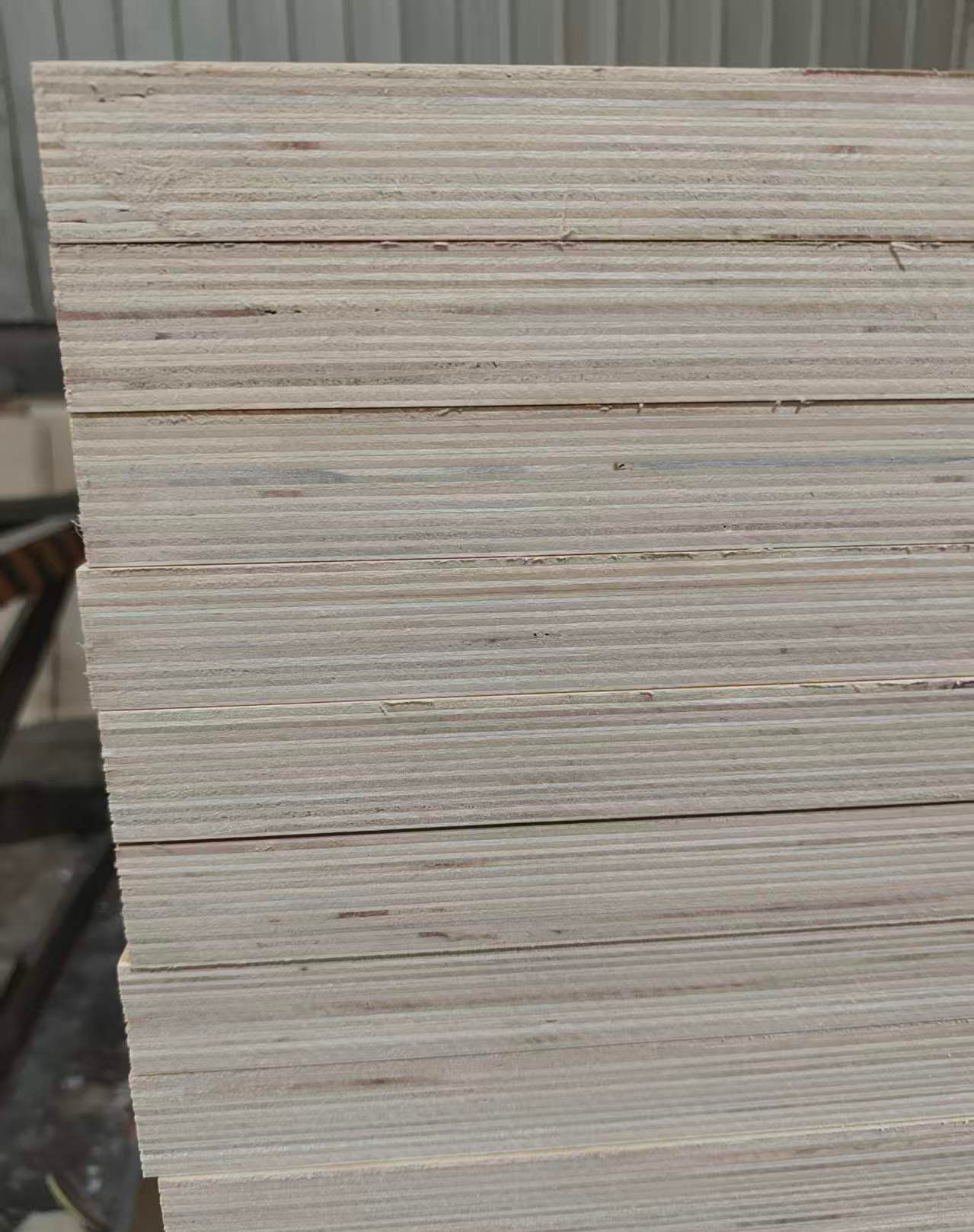
Ending up a sheet short on a build day costs a trip to the yard, and ending up with a stack of waste costs the budget, so the answer to how much plywood you need deserves the same care as any other material takeoff. The calculation starts with the real area of the job and ends with a sheet count adjusted for waste, grain, and pack size. This guide walks through the measuring, the math, and the buying rules that keep the panel count accurate.
Every plywood count starts with the true square metre or square foot of the surface the panels will cover. Measure the length and width of each area, multiply them, and add every separate section together. Note the shape of each area, because cutouts, corners, and odd angles change how the sheets lay out.
Split the job into plain rectangles, measure each one, and sum the areas. A roof with two slopes, a floor with a bay, or a wall with a window opening each need its own line so the total reflects reality. Do not subtract openings until the layout plan decides whether a full sheet still covers around them.
Keep every measurement in the same unit before the area math, so square metres and square feet never mix in the total. A 2440 x 1220 mm sheet equals roughly 2.977 square metres facing the user. Write the total down in the same unit the supplier quotes, and the order matches the takeoff.
Divide the total area by the sheet area to find the raw sheet count, then round up to whole sheets. A floor of 30 square metres needs about 10 full-size sheets on the raw math before any waste allowance. The raw number is the starting point, not the order, because practically no layout fills every sheet edge to edge.
Add a waste factor of 10 to 15 percent for cuts, grain matching, and minor mistakes, so the plan accounts for the offcuts that never fit back together. A tight layout with few cutouts wastes less than a panel job with many irregular parts. The allowance converts the theoretical count into a workable order.
The panel size decides how the area splits, so lay the pieces out on the sheet footprint to plant the layout before the count. Long narrow strips waste a full-size sheet if the pieces do not tile into its footprint. A project that needs many small parts may suit larger sheets cut to a cutting list, while a single big surface uses the sheet whole.
| Job area | Raw sheets | With waste | Order |
|---|---|---|---|
| 12 m² floor | 4 | 4.6 | 5 sheets |
| 30 m² roof deck | 10 | 11.5 | 12 sheets |
| 18 m² wall | 6 | 6.9 | 7 sheets |
| 6 m² shelving | 2 | 2.3 | 3 sheets |
The table shows how the raw count rounds up after waste. The margin covers the cuts that never tile back together.
Windows, doors, vents, and pipe openings never eat a full sheet, but they stop the layout flowing straight and raise the waste. Plan the sheet positions around the openings so one sheet covers an opening and the offcut still fits another piece. Count the penetrations, then decide whether they cut out of a full sheet or split across a seam.
Mark every opening on the layout plan before the count, then position the sheet seams away from the fragile edges of the cutouts. A vent centred in one sheet suits the cut better than a seam that runs into the opening. The layout plan converts a fuzzy count into a fixed cutting list.
Chamfered corners, bay windows, and angled walls break the simple rectangle and push the layout away from a clean tile. Cut the odd shapes from the offcut of a larger panel, and count the offcut into the usable area. The waste allowance absorbs the irregular parts so the order stays one trip.
Structural jobs run the plywood grain perpendicular to the supports, so the sheet orientation is fixed before the count. A roof deck or subfloor cannot rotate the panel freely once the span rules lock the direction. Confirm the grain direction, then lay the sheets out along that line, because the orientation changes how many sheets the area needs.
Roof decking and subfloor panels run with the face grain across the rafters or joists, so the long panel dimension spans the framing. Lock the orientation before the layout and the count follows the fixed direction. A rotated panel carries less rated load even if it covers the same area.
Visible wood-faced panels benefit from grain matched across the seam, which raises the waste because the matching selection rejects some sheets. Order extra for the matching pass or accept a mixed look on the back panels. The job decides how much the appearance is worth.
Plywood arrives in strapped packs of a fixed count, so the order lands best when the sheet number fits the pack quantity and the delivery route. Suppliers quote per sheet and per pack, with the pack rate lower because the freight spreads across the stack. Match the order to the pack size and the unit price drops.
Confirm the pack count before the order, then adjust the sheet total up to the nearest pack where the job uses most of the boards. A pack lands cheaper per sheet than a hand-picked retail stack because the handling cost stays in the pack. Ask the supplier how the packs run before the number goes on the order.
Deliver the panels flat, wrapped, and dry, and store them the same way until the build needs each sheet. A covered delivery and a raised storage stack keep the panels as flat as the press made them. The sheet count becomes a waste issue only when storage warps what the budget ordered.
Most plywood shortfalls trace back to three habits: forgetting the waste factor, mixing units, and ignoring the sheet layout. A takeoff that multiplies the footprint but skips the offcut allowance comes up a sheet or two short at the saw. Fix those three habits and the count stays honest through the whole job.
Every cut produces an offcut, and the offcuts rarely tile back into a full sheet. Add the 10 to 15 percent allowance before the order so the waste stays inside the budget instead of a second trip to the yard. A cutting plan reduces the waste, but it does not remove the allowance.
Count the sheets against the actual layout, not against the area alone, because the seams and the grain lock the arrangement. A floor that looks like four sheets on the math may need five once the joist direction sets the layout. Plant the plan, then order the sheets the plan demands.
These are the questions buyers ask most when they count sheets.
Divide the room area by the sheet area, then add 10 to 15 percent waste and round up. A floor opening the same size as a sheet footprint needs the layout to confirm the count.
A full-size 2440 x 1220 mm sheet covers roughly 2.977 square metres before cutting. Check the exact panel size the supplier quotes, because regional sheet sizes differ.
Allow about 10 to 15 percent for cuts, grain matching, and mistakes. Tight layouts with few cutouts waste less, and irregular shapes need the higher end.
Suppliers sell by the sheet and by the pack, and the pack rate lowers the unit price. Round the order up to a convenient pack or delivery quantity where the job uses most of the boards.
Yes, structural panels must run perpendicular to the supports, which locks the layout direction. A locked orientation can push the count up one sheet on the same area.
Finish the layout on paper, lock the grain, and add the waste before the order number goes down. Confirm the pack size and the delivery plan so the panels land flat and dry. When the job needs the right count of flat, consistent panels, HYY supplies plywood in full sheets and packs, with Commercial Plywood for structural work and MDF Board for panels that machine to a clean edge. The complete plywood product range backs the takeoff from the first sheet to the last.