Our Location
5th Floor, Huake Center, Lanshan District, Linyi City, Shandong Province, China

5th Floor, Huake Center, Lanshan District, Linyi City, Shandong Province, China
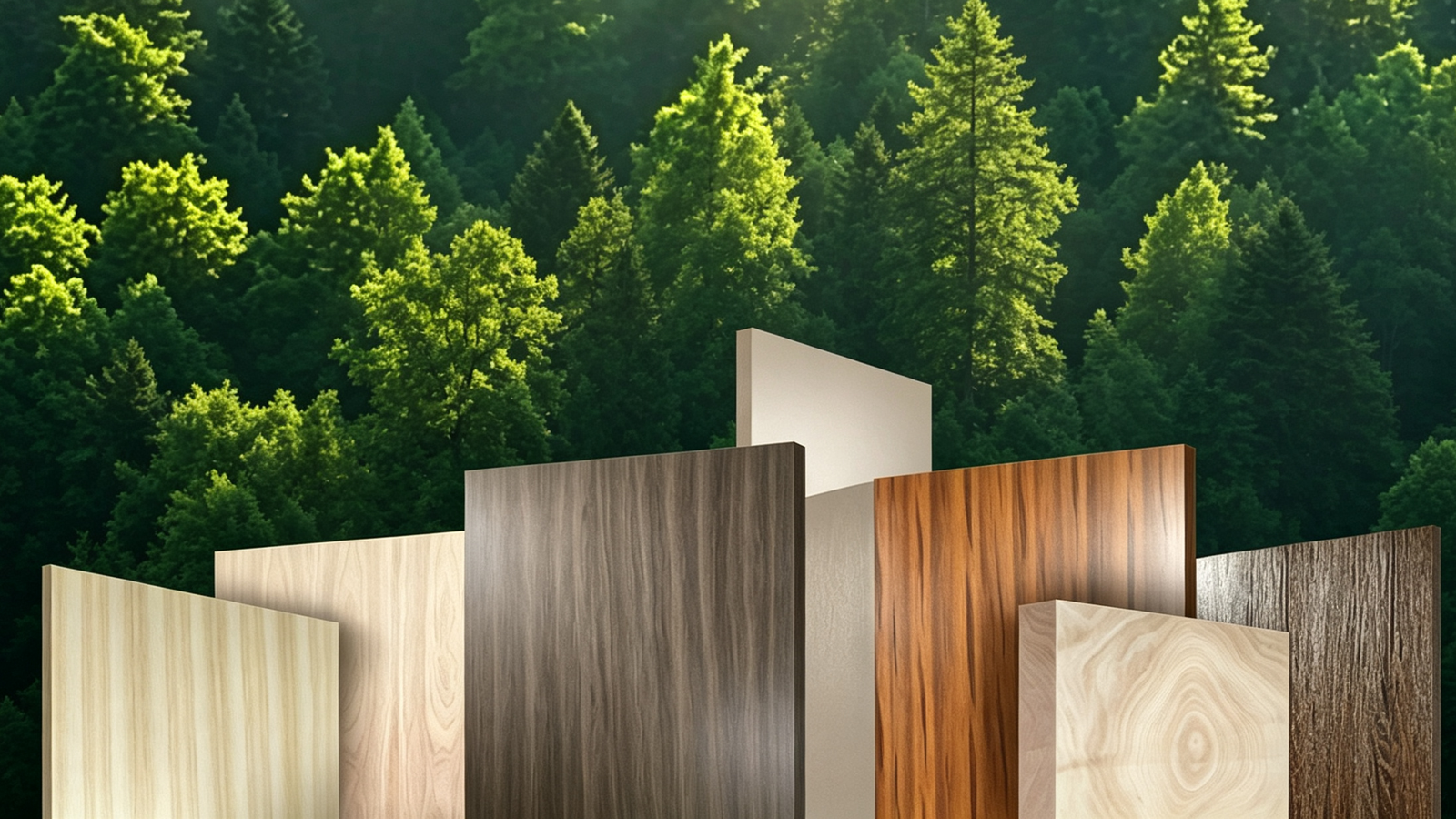
An order for 1.8 m plywood usually means a full metric sheet at 1800 mm in length, the long edge that dominates furniture, falsework, and interior paneling in metric markets. The actual panel often measures 1800 x 900 mm or a trimmed 1800 x 600 mm, and that layout changes how you cut parts and plan freight. This guide explains what the 1.8 m dimension really covers, where these panels earn their cost, and how to buy them without waste.
Plywood suppliers quote metric panels by their length first, so 1.8m plywood points to sheets with an 1800 mm edge rather than a specific thickness. Common rebuilt sizes pair that 1800 with a 900 mm width, giving a panel close to the old 6 x 3 feet format, and cut-to-size suppliers trim the width to 600 mm or 450 mm when a project demands it.
The 1800 x 900 mm panel slices into clean sheet furniture sizes with almost no offcut. A cabinet carcass, a wall panel, or a worktop blank lands neatly on the grid when you lay parts across the length. Designers count the 1800 dimension in millimetres rather than feet, which avoids the rounding errors that plague mixed-unit drawings.
Buyers who work in inches should translate 1.8 m carefully: the metric sheet is slightly longer than 5 feet 10 inches, not exactly 6 feet. That half-inch difference changes yielding on imperial cutting plans, so confirm the panel layout in millimetres before the router table starts.
The 1.8 m face measurement accepts every common thickness, from light 9mm skins to stiff 18mm boards. Most buyers pair the 1800 length with 12 to 18 mm for real structure and reserve thinner panels for backing and packing. The length itself does not promise load capacity; the thickness and grade do that job.
Long-edge panels shine where a single piece must span a wide built area without joints. Desks, worktops, wardrobe sides, vanities, wall cladding, and door skins all use the 1800 dimension to cover a full module in one board. A Fancy Plywood face brings this layout into visible furniture, where a single continuous surface looks cleaner than a pieced panel.
Cabinet builders order 1800 x 600 mm for door and drawer fronts and 1800 x 900 for carcass sides, because those two drops cover most of a standard build. The long grain direction follows the width of the furniture, which keeps the panel stiff across the unsupported middle. Edge banding closes the cut ends, and the exposed core stays sealed against moisture.
On site, 1800 mm panels form soffits, edge boards, and temporary decking where a full 2400 length is overkill. Formwork teams use the same 1800 footprint for curved concrete faces, where shorter panels bend more predictably onto the radius. The panel suits Film Faced Plywood grades that strip clean after wet cycles.
That range explains why the 1800 format persists: one sheet covers a full furniture module or a form run without joints, and the offcut goes straight into smaller parts.
The long edge magnifies handling mistakes. An 1800 mm panel leans, warps, and tears edge banding if it stands unsupported, and a careless table-saw feed burns the trailing edge. Use a support roller or a second saw table when the panel overhangs, and keep the sheet flat on dunnage until the cut starts.
Mark the panel with a correct side and a waste side before every cut, then feed the good face against the fence so the blade exits on the offcut. Scoring with a straightedge and a sharp blade gives a cleaner edge than a single fast pass, particularly on decorative faces that show every tear-out.
Check the 1800 dimension against the packing list at delivery and measure both diagonal lengths to confirm squareness. A mistrimmed panel shows up as a twisted cabinet or a gap at the corner that no filler fully hides. Most metric panels hold thickness across the width within a small tolerance, but a bowed long edge needs flattening before assembly.
Store sheets dry and flat, raise them on dunnage, and keep them clear of concrete slabs that pull moisture. A 1.8m panel left flat on a damp floor takes on water, swells at the edge, and refuses paint within weeks.
Freight for 1800 mm panels rides on cube and weight, not just on sheet count. Full 1800 x 900 mm sheets pack more efficiently than short offcuts because the container fills with standard pallets, and the cube per sheet drops as the pack tightens. Buyers who order cut-to-size panels pay for the offcut waste in the price, so plan the cutting layout to use the whole board.
Compare quotes per cubic meter rather than per sheet when the thickness varies, and confirm the packing detail in the order line. A standard softwood 1800 x 900 x 18 mm panel runs roughly 15 to 18 kg depending on species and moisture, and weight decides the handling cost at every stage of freight.
| Panel size (mm) | Typical thickness | Common use |
|---|---|---|
| 1800 x 900 | 12-18 | Furniture carcasses, cladding, soffits |
| 1800 x 600 | 12-18 | Doors, drawer fronts, shelving |
| 1800 x 450 | 9-12 | Small parts, packing, backing |
| 1800 x 900 | 18 film face | Concrete formwork strips |
The table shows the layout logic behind most 1.8m orders. Nominate the exact length and width in millimetres, choose the thickness for the load, and the quote arrives without guesswork.
Yield decides the real cost of a 1.8m panel more than the mill price does. Lay every part on the sheet before the saw starts, and keep the grain direction consistent across cabinet doors and drawer fronts so the finished piece moves as one. Rivets, hinges, and dowels need a full panel behind them, so avoid placing hardware holes on veneer seams or core joints.
Smaller panels deliver the same useful area when the layout pattern stays tight. A 1800 x 600 mm drop covers most door and drawer runs, and the offcut from an 1800 x 900 sheet converts directly into shelving and backing. Buyers who plan the pattern before ordering cut their offcut waste in half and pay a lower delivered cost per usable square meter.
The 1800 dimension accepts the same face ladder as any metric panel. Sanded utility faces cover furniture backs and unseen parts, veneer or melamine claims the visible surfaces, and film faces handle wet concrete work. Grade changes appearance and edge behavior, not structural capacity, so match the face to the finished look and the bond to the exposure.
For marketing-grade furniture, a melamine or laminated face resists scratches and cleans without finishing. For indoor structure where the face stays hidden, sanded Commercial Plywood keeps cost down while the panel carries the load. Wet and stripping applications move to Film Faced Plywood with an exterior or waterproof bond written into the order.
These are the questions buyers raise most when ordering 1800 mm panels.
Close but not exact. The 1800 x 900 mm panel measures about 70.9 x 35.4 inches, slightly wider and longer than the imperial 6 x 3 feet sheet. Confirm the layout in millimetres when a drawing mixes units.
Light furniture backs and backing take 9mm, carcasses and shelving need 12 to 15 mm, and clear-span or heavy work steps up to 18 mm. The load and the support spacing decide the number.
Yes, for light and curved forms. Repeated wet pours want a film faced grade with an exterior or waterproof bond, which releases clean and survives the cycle.
An 1800 x 900 x 18 mm softwood sheet runs roughly 15 to 18 kg depending on species and moisture. Confirm the weight when budgeting freight and handling.
Cut-to-size and short-run sizes carry extra trimming and packing cost. Buyers who use the full 1800 grid reduce the premium because the offcut converts into smaller parts instead of waste.
Write the specification in this order: state the 1800 length, confirm the width in millimetres, choose the thickness for the load, name the face and bond, then compare quotes per cubic meter. Request a moisture reading on the packing list and recheck the dimension at delivery. For matched 1.8m panels from one reliable source, start with HYY and let the layout drive the order; the full plywood product range covers decorative and structural faces in the same 1800 format.