Our Location
5th Floor, Huake Center, Lanshan District, Linyi City, Shandong Province, China

5th Floor, Huake Center, Lanshan District, Linyi City, Shandong Province, China
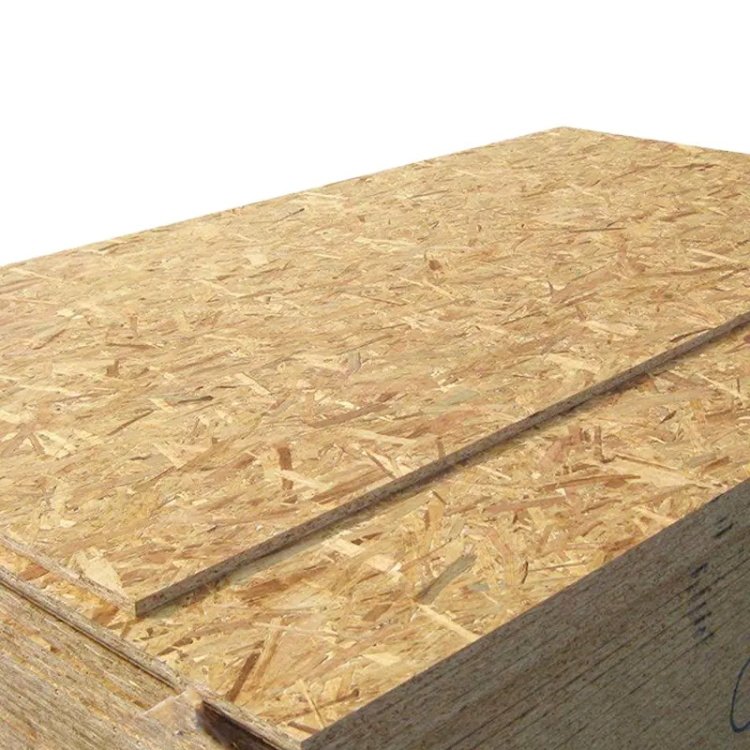
Shoppers searching for b&q plywood usually plan a weekend job and want one sheet that fits the project without driving across town twice. Branch stock varies by size, thickness, and face, so a quick run in can end with the wrong board and an extra car trip. This guide explains what to check on the shelf, how to match the sheet to the task, and what you can carry home in a standard car.
Plywood at B&Q and similar DIY retailers concentrates on common board sizes and everyday thicknesses rather than the full commercial range. Most branches carry hardwood-faced sheets in 2440 x 1220 mm and cut-to-size halves around 1220 x 610 mm, with a handful of softwood and shuttering-grade panels beside them. The range shifts between stores, so the pack label matters more than the shelf position.
The full metric sheet measures 2440 x 1220 mm, and many branches also sell a 1220 x 610 mm half sheet for small jobs and car boots. Cut-to-size counters trim panels to a door, shelf, or drawer blank in minutes, but the cut edge shows exposed core unless you ask for edge sealing. Measure the space at home before you visit, because a panel that fits the trolley may not fit the boot.
Shelf stock concentrates on 6 mm for backing panels, 9 mm for drawer bases and lightweight partitions, 12 mm for light shelving and carcass sides, and 18 mm for real structure and worktops. Each thickness carries a different price per sheet, and the price jump from 12 mm to 18 mm is usually worth paying when the panel carries weight. Buyers who pick the thinnest sheet to save money often replace it within the year.
A short rule of thumb settles most weekend decisions before you leave the aisle. If the panel will bear weight, select 18 mm; if it just closes an opening, 9 mm or 12 mm is fine. That single choice avoids the pair of visits that most DIY plywood orders end up making.
Face grade decides how the finished panel looks more than thickness does. Sanded hardwood faces suit visible furniture and painted work, while unsanded or natural faces cover behind-cupboard and structural jobs where appearance costs money. The label usually states the face quality, and staff can pull the product card if the wording is unclear.
Shelves and cabinet fronts want a clean face that takes paint or a clear coat evenly. Buy a sheet with a smooth surface on both sides when the job shows both faces, and edge the cut ends so the veneer line stays tidy. Lightweight interior panels carry the same confidence as heavier board when the support spacing is right.
Exterior grades use a waterproof bond and resist dampness far better than interior sheets. A shed roof, a gate, or any panel that faces weather demands an exterior or shuttering grade, and the bond class should appear on the pack label. Interior plywood left outside delaminates within months because the glue cannot hold through repeated wetting.
| Job | Best thickness | Face and bond |
|---|---|---|
| Shelf and furniture | 12 mm | Sanded hardwood, interior |
| Cabinet carcass | 18 mm | Sanded or veneer, interior |
| Drawer base | 6-9 mm | Sanded utility |
| Shed and gate | 12-18 mm | Exterior or better |
| Worktop and staging | 18 mm | Sanded hardwood |
The table condenses the shelf decision into one line per job. Match the thickness to the load and the bond to the exposure, and the panel performs as the label promises.
The full 2440 x 1220 mm sheet rarely fits a normal family car, and most DIY returns start with that mistake at the checkout. Measure the boot opening and the interior length before you leave, because a full sheet can fit a van or an estate but folds, bends, and splits in a hatchback. Half sheets at 1220 x 610 mm fit most boots, and cut-to-size panels drop to a workable cabin size without damage.
Carry the panel vertically when possible and protect the corners with cardboard or a blanket. A sheet slid diagonally across the back seat flexes and can crack at the edge, which turns a fresh board into a knee-ended reject. If the job needs a full sheet, plan the transport route before you buy.
Planned cutting beats guesswork when you price plywood. List every part with its real dimensions, lay them on the sheet footprint, and count the sheets before you queue at the till. A big panel cuts into floor boards, shelf blanks, and drawer parts, and a tight layout often saves a whole sheet on a kitchen or wardrobe job.
Allow a cutting allowance of a few millimetres per part and a spare strip for the first trial cut. Offcuts from a full sheet convert directly into smaller shelves and backing panels, so keep them instead of paying for fresh boards. Buyers who plan the layout in advance end up with usable leftovers rather than a bin of dust and a second trip.
Store prices for plywood move with timber markets and freight, so a fixed figure misleads across weeks and branches. Compare per square meter across thicknesses and faces within the same visit, and check whether the quoted price includes cut-to-size service or edge sealing. The cheapest number on the shelf can cost more after cutting charges and wasted offcuts.
The first mistake defaults to the thinnest sheet because the price looks friendlier. A 6 mm board that supports a light backing fails the moment someone leans on the shelf. The second error skips the exterior grade for a garden job, then watches the panel swell and split after the first wet winter.
The third mistake ignores moisture handling. A stored sheet resting flat on a concrete floor pulls water, warps, and refuses paint. Raise the stack on blocks, keep it under cover, and let the panel acclimatise before you cut joinery that depends on a true edge.
Inspect the panel for warps, veneer skips, and edge damage before you carry it to the till. Lay the sheet flat on the floor, sight along the edge for a bow, and check both faces for open joints. A twisted panel creates a twisted cabinet no matter how careful the build, and swapping it after you leave the store costs another trip.
These are the questions buyers raise most when shopping the plywood aisle.
Most branches keep 2440 x 1220 mm full sheets and 1220 x 610 mm halves, with cut-to-size available at many counters. Exact stock varies by store, so check availability online before the trip.
For shelves spanning under 600 mm, 12 mm works with proper support; for longer spans or heavier loads, step up to 18 mm. The support spacing decides the safe thickness more than the job name does.
Branches that stock shuttering and exterior grades sell panels with a weatherproof bond, but not every store carries them. Confirm the bond class on the label before choosing it for outdoor work.
A 2440 x 1220 x 18 mm sheet runs roughly 20 to 25 kg for hardwood-faced board, lighter for softwood cores. That weight decides how many trips you make from the store to the car.
Store brand panels suit DIY and light trade work, and the quality holds up when the grade matches the job. Match the thickness and bond to the exposure and the sheet performs reliably for years.
Write the shopping list in this order: measure the space, list every part, choose the thickness for the load, confirm the bond for the exposure, and check the boot size before you leave. For larger cabinet and furniture panels that stores cannot carry, browse the Commercial Plywood and Melamine Plywood ranges from a panel supplier instead, where cut sizes and matched faces come standard. When you need consistent grades in full metric sheets, HYY ships export packaging that arrives flat and true, and the complete plywood range covers interior and exterior faces for the jobs a chain store limits.