Our Location
5th Floor, Huake Center, Lanshan District, Linyi City, Shandong Province, China

5th Floor, Huake Center, Lanshan District, Linyi City, Shandong Province, China
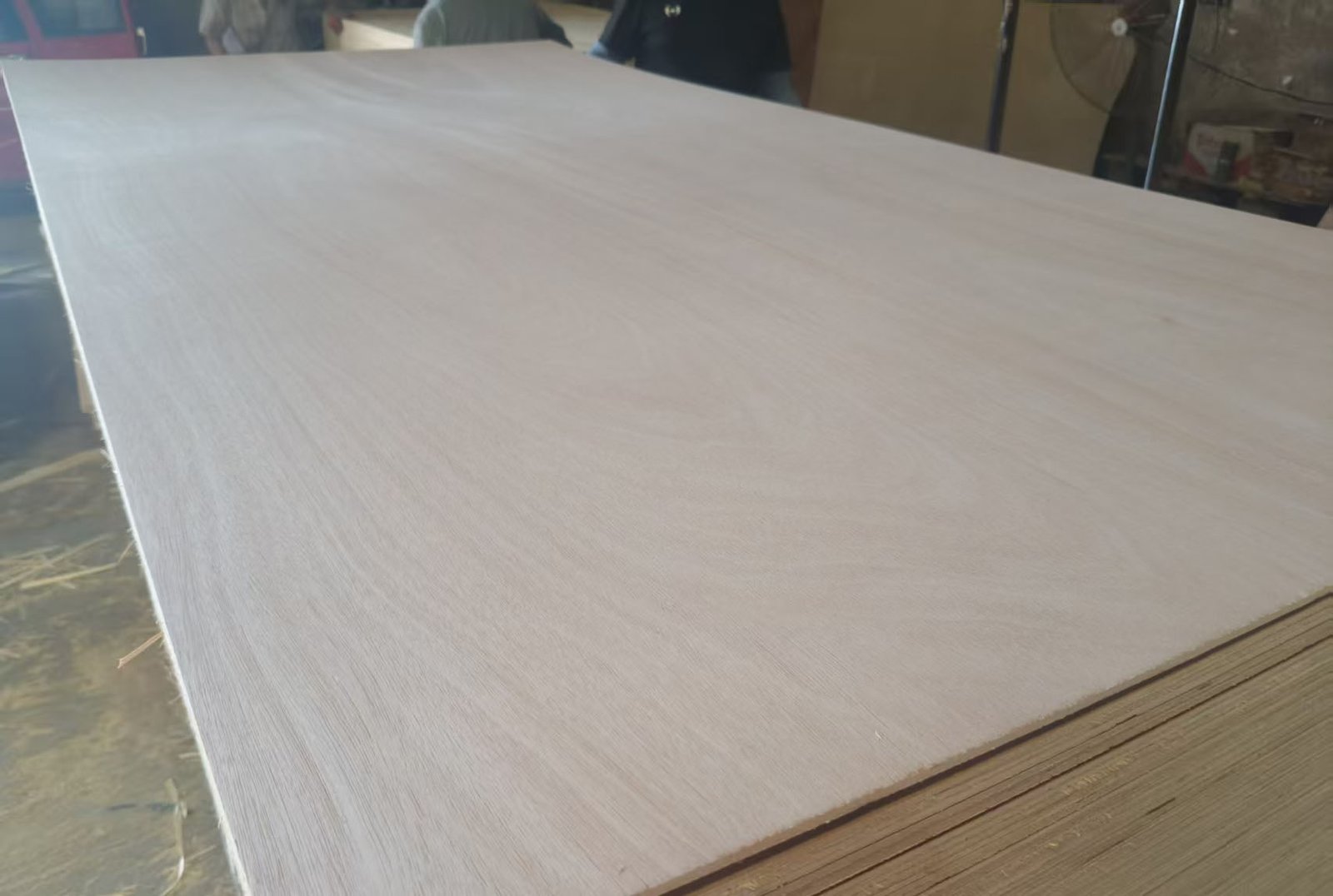
The yard answers the label question at the stack, and plywood construction definition turns the word on the sheet into the crossed layers, the bond, and the face that separate the panel from the solid board. The definition starts at the press where the thin veneers cross at the right angle and the glue closes the line. This guide reads the definition against the layers, the bond, and the duty that each class serves.
The panel is defined by the layers that the press crosses, because each thin veneer is laid at the right angle to the one below and the glue line holds the stack flat. The crossed construction sets the sheet. Read the layers against the duty.
The cross at each layer shares the bending that the single board carries alone, because the grain that runs across the sheet answers the pull from both directions. The crossed panel stays true through the season. Match the count to the load.
The glue line defines the bond class that the exposure reads, because the exterior-bonded sheet holds the wet weeks that the interior panel releases at the edge. The bond follows the exposure rather than the habit. Read the label against the programme.
The definition separates the panel from the solid board, because the crossed layers answer the movement that the single piece follows along its grain. The two materials serve different lines on the same drawing. Match the family to the duty.
The panel holds the width that the solid board moves through the season, because the crossed layers pull against each other across the sheet. The stable panel closes the wide surface. Read the span against the movement.
The pressed sheet comes in the wide format that the solid board reaches only at the joined edge, because the laid-up panel covers the floor in fewer seams. The wide sheet keeps the waste low. Plan the layout against the truck load so the seams land on the framing while the waste stays low across the run.
The definition still reads the face that the finish takes, because the graded veneer connects the panel to the painted door and the clear coat rather than the load. The grade leads the visible work. Read the face against the room.
The graded faces separate the paint class from the structural class, because the veneer sorted for the clean face serves the film while the working core carries the span. The matched grade closes the finish. Choose the face by the eye against the room, because the painted door reads the graded veneer while the closed wall never shows the working face.
The core that the load reads stays behind the face, because the void and the fibre at the edge decide how the thread bites at the loaded fixing. The clear core holds the fastener. Cut the edge clean before the screw drives so the thread bites the full depth at the loaded bracket that hangs from the panel.
The floor, the door, and the form each read their own class against the definition, because the load and the eye set different sheets on the same family. Match each part against the plan. The right panel serves each bay.
The floor and the sheathing take the stamped class at the framing spacing because the live load crosses the span that the finish sheet flexes at. The rated panel carries the frame. Read the stamp against the joist line.
The door and the cabinet face take the graded class where the film rather than the bending sets the sheet, because the visible surface asks for the veneer that the working core hides. The graded face carries the room. Match the face to the finish.
The span rating on the stamp still reads the definition, because the crossed layers that the press lays share the bending across the framing spacing that the sheet was classed for. The rating connects the panel to the frame rather than the face.
The stamp names the joist spacing at the floor duty while the drawing draws the same line at the yard, because the matched pair keeps the plan honest before the sheets are staged. Compare the two before the delivery arrives. The matched class closes the order without the mixed pallet that arrives at the gate short of the span.
The deeper panel bridges the wider spacing because the crossed veneers share the bending at the depth that the thin sheet flexes at, while the live load across the deck asks for the fibre at that class. Read the depth against the stamp. Match the load to the sheet.
An odd count keeps the face veneer on both sides of the core so the sheet pulls flat through the season, because the balanced panel answers the same cross on the front and the back. Read the count against the exposure and the load together, because the balanced panel stays true while the off-balance sheet follows the damp side through the wet months.
The order fails in a few familiar places: the finish sheet sent to the load, the bond short of the exposure, and the count short of the span. Each mistake goes back to the stamp rather than the label. Read, match, and hold.
A finish sheet under the walking load flexes where the stamped panel holds, so move the structural class up to match the framing. The rated sheet closes the floor. Read the load against the stamp before the delivery.
An interior-bonded sheet at the open deck releases the edge that the rain reaches, so step the bond up to the exterior class. The bonded core holds the wet weeks. Match the bond to the programme before the install.
The exposure still reads the bond class, because the open deck takes the exterior-bonded sheet that holds the wet weeks while the covered lining serves the interior class at the dry line. Match the bond to the programme rather than the habit of the strongest glue.
The clear core at the edge still holds the thread at the loaded fixing, because the voided strip under the screw pulls out where the fibre bites. Pre-drill the pilot so the edge plys stay whole through the drive. Cut the edge before the fastener enters.
These are the questions buyers ask most about the definition.
Plywood is the panel defined by thin veneer layers crossed at the right angle and closed by the glue line, because each layer shares the bending that the single board carries alone.
The count follows the depth that the duty asks, because the crossed layers share the bending at the span that the thin sheet flexes at. An odd count balances the face against the back.
The floor, the wall, the door, and the form each read their own class against the drawing, because the load and the eye set different sheets on the same family.
The crossed layers answer the pull from both directions while the solid board follows the grain line, so the panel holds the wide surface that the single piece moves through the season.
Read the layers, the bond, and the face against the drawing, and the plywood construction definition becomes the spec that leads the order rather than the label that leaves the crew guessing. The matched panel serves the frame across the floor, the wall, and the form that carries the line through the build programme. When the build needs sheets cut for the run, HYY supplies panels with the count, bond, and grade marked on every sheet, and the Commercial Plywood and Film Faced Plywood pages show the stock for the frame and the form. The complete plywood product range backs the order before the truck is booked.