Our Location
5th Floor, Huake Center, Lanshan District, Linyi City, Shandong Province, China

5th Floor, Huake Center, Lanshan District, Linyi City, Shandong Province, China
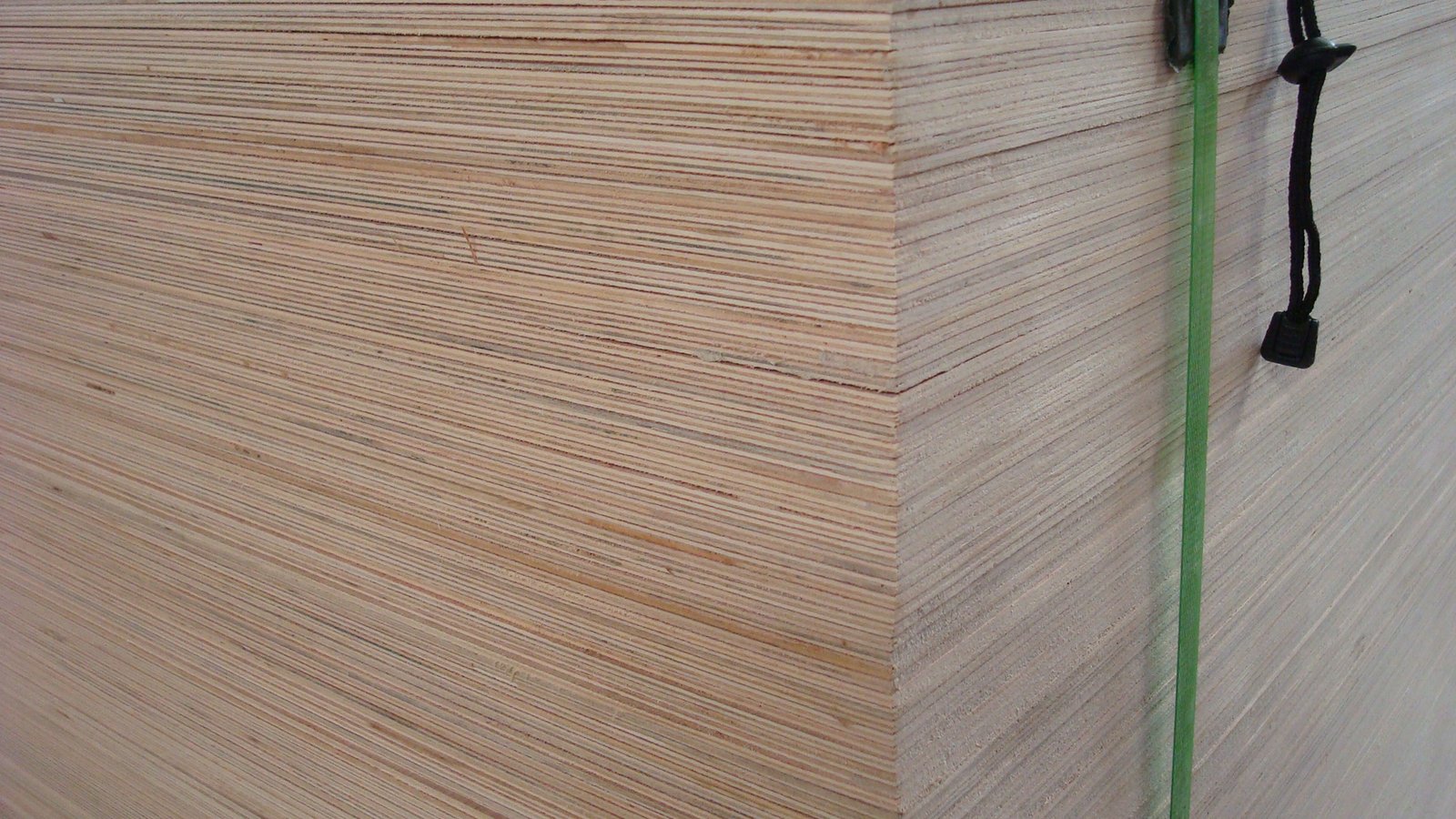
The old sheet often stays sound while the surface above it fails, and the question can you put plywood over plywood comes down to what the layer underneath still carries. The overlay works when the base panel holds the fastener and the moisture stays out of the pair, while the soft or the wet base drops the whole stack. This guide reads the subfloor, the wall, and the fastening rules that keep the new layer flat on the old.
The overlay serves the base that is still flat, still dry, and still holding the fastener, because the new sheet transfers its load into the panel beneath rather than into the framing alone. The sound base carries the pair the way it carried the first. Read the base before the sheet arrives.
Screw test the old panel at the field and the edge, because the base that pulls the screw loose under the glove cannot carry the new layer that depends on it. The sound base holds the fastener with the pull. Test before the overlay is planned.
Run the straight edge across the old sheet, because the crown or the dip that the base carries telegraphs through the new panel that lies on it. The flat base keeps the overlay plane. Sand or fill the high line before the new sheet lands.
The subfloor overlay serves the base that is still firm, because the new sheet adds the walking plane while the old panel keeps carrying the joist load beneath. The pair reads as the one deck under the finish. Read the base and the finish together.
The new sheet fastens through the old panel into the framing where the joist line runs, because the screw that stops in the old sheet holds nothing at the load that the foot applies. The fastener reaches the joist with the length that the pair needs. Keep the pattern on the framing.
Keep the new seams off the old joints so the two layers do not line up the movement at the one line, because the stacked joint opens under the seasonal shift that the staggered panel closes. Stagger every row across the deck. Check the layout before the sheets drop.
The wall overlay serves the old panel that is still fixed to the framing, because the new sheet hangs on the base that carries the load into the studs. The sound wall base holds the pair with the fastener that reaches through. Read the fixing behind the old sheet.
Confirm the old panel is fixed to the studs before the new sheet depends on it, because the loose sheet that hung on the old fastener cannot carry the second layer that fastens into it. The framed base carries the pair. Scan the fixing line first.
The added thickness builds the wall out at the reveal and the trim line, so plan the casing and the base against the new plane. The planned reveal closes the change. Measure the buildup before the order.
The pair traps the moisture between the sheets, so the base must be dry before the new panel lands, because the wet panel that closes over the top carries the water into the new core. Read the moisture and the exposure together. The dry pair holds.
Check the old sheet for the swelling and the soft line at the seam, because the base that already drank the water passes it into the panel that overlays. The dry base keeps the pair stable. Reject the wet base before the overlay.
Seal the edges of the new sheet where the exposure reaches the pair, because the cut line drinks the moisture that the room and the wet zone make. The sealed edge holds the pair through the seasons. Treat the edge of the overlay as the service line.
The fastener carries the new sheet through the old into the framing where the load lands, and the length and the pattern both set how the pair holds. Keep the fastener on the framing line. The through fastener carries the stack.
The screw must reach the framing with the bite that holds the walking load, because the fastener that ends in the old panel holds only the layers together and not the deck. Measure the pair against the framing. Choose the length for the joist.
Keep the fastener pattern on the joist line as the framing schedule asks, because the field fastener alone lets the panel flex between the framing. The framed pattern holds the plane. Read the schedule before the driver runs.
The overlay fails in a few familiar places: the fastener that stops in the old sheet, the stacked seams, and the wet base closed under the new panel. Each mistake goes back to the base check rather than the new sheet. Reach, stagger, and dry.
A deck that feels soft underfoot came from the short fastener or the base that pulled its screws, so pull the new sheet and fasten through to the framing with the length that reaches. The through fastener closes the load path. Test the base before the relayer.
A line that shows through the finish came from the seam stacked on the old joint or the crown the base carried, so sand the base flat and stagger the new seams. The flat, staggered run disappears under the finish. Check the plane before the overlay closes.
The old panel comes up when the base is soft, wet, or loose at the fastener, because the overlay on the failed base adds weight without the hold that the framing needs. Read the base and the removal follows. The torn-out sheet restores the load path.
The swelling edge, the screw that pulls by hand, and the soft line at the seam all send the old sheet out, because each sign shows the core that cannot carry the pair. Remove the failed panel. Reframe the load before the new deck lands.
Pull the fasteners and lift the old sheet off the framing so the joist line reads clean for the new panel, because the torn base leaves the fasteners and the chips that the new sheet cannot seat. Sweep the framing. Set the new panel on the clean line.
These are the questions builders ask most about the overlay.
Yes, when the base is still flat, dry, and holding the fastener, because the new sheet transfers the load into the panel that carries it into the framing. Test the base and fasten through to the joists.
Yes, the sound old deck carries the new sheet when the fastener reaches the framing and the seams stagger. Reject the soft or the wet base and pull it instead.
The fastener must reach the framing with the bite that holds the walking load, because the screw that stops in the old panel holds only the layers. Keep the pattern on the joist line.
Yes, the old panel fixed to the studs carries the new sheet, but the added thickness builds the wall out at the trim line. Plan the casing against the new plane before the order.
The overlay thickness follows the finish and the door reveal that the buildup allows, because every layer adds its depth to the wall and the floor. Measure the buildup before the sheets are cut.
Test the hold, check the moisture, and read the flatness, and the answer to can you put plywood over plywood follows the base that carries the pair rather than the habit of the shortcut. The sound base holds the new layer for the service life. When the build needs new sheets either way, HYY supplies panels with the thickness and bond marked on every sheet, and the Commercial Plywood and OSB Board pages show the overlay and the replacement stock for the deck. The complete plywood product range backs the order before the base is tested.