Our Location
5th Floor, Huake Center, Lanshan District, Linyi City, Shandong Province, China

5th Floor, Huake Center, Lanshan District, Linyi City, Shandong Province, China
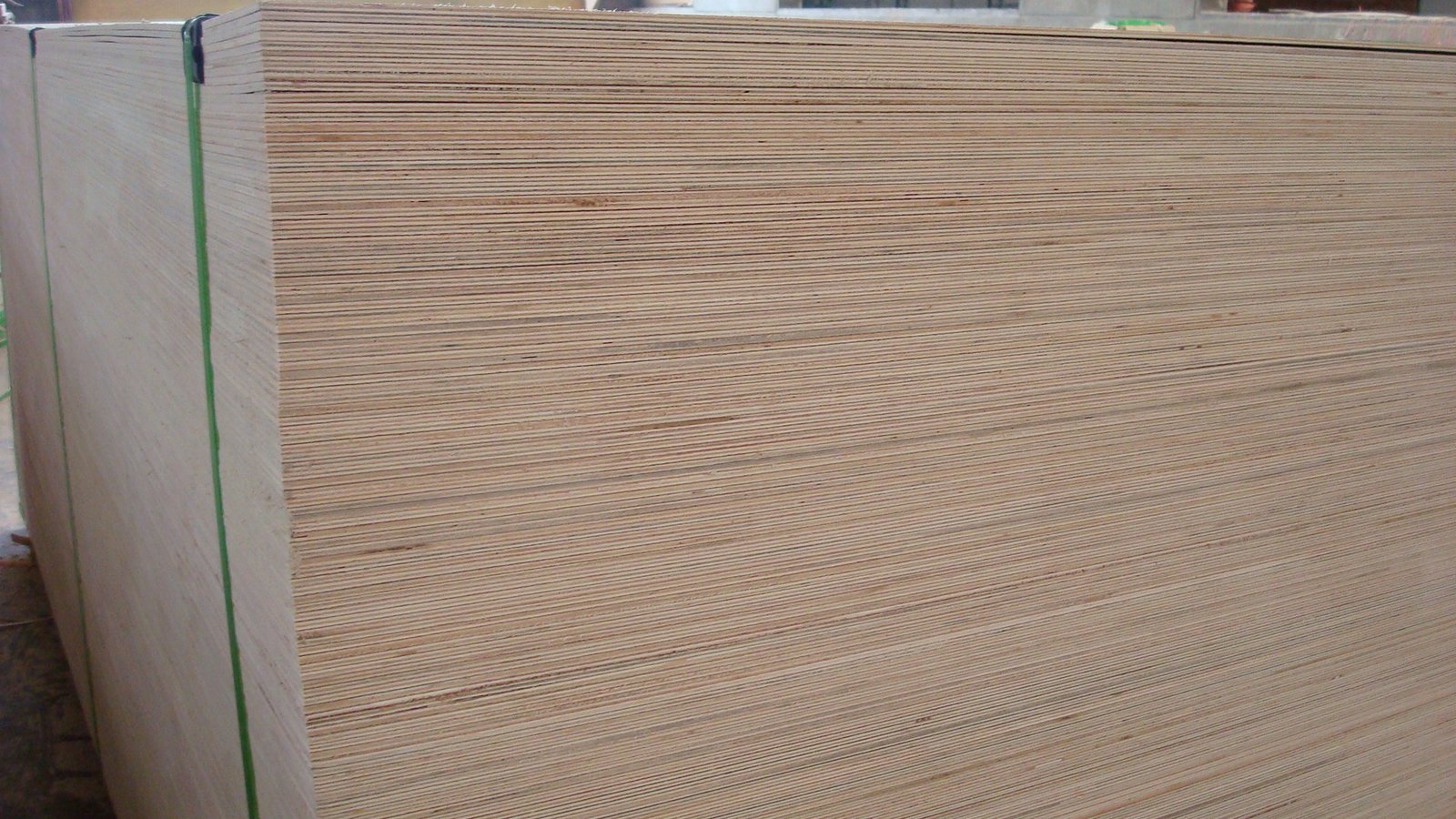
The door starts as the flat sheet before it becomes the leaf that swings on the hinge, and building plywood doors turns the panel stock into the slab that stays flat through the years of the daily close. The cross-laid core resists the seasonal movement that twists the solid leaf, and the face carries the finish that reads in the room. This guide covers the sheet choice, the edge work, and the hanging that keeps the plywood door true.
The door leaf reads the face every day while the core carries the stiffness, so the grade and the thickness both set how the panel behaves on the hinges. A clean face serves the painted room door while the working face hides behind the finish. Read the face against the room.
The painted door takes the clean, uniform face that the primer levels without the patch line, while the shop door serves the working grade that the dents repair and the paint covers. The grade matches the duty of the room. Choose the face the eye will read first.
The full-height door needs the stiffer thickness that holds the leaf flat across its span, because the thin sheet flexes at the lock side under the daily close. The rated thickness keeps the leaf square. Match the depth to the height before the cut.
The wide leaf joins the sheets at the seam, and the joint needs the alignment and the glue that keep the door flat after the clamps release. The flat leaf starts at the true joint and the support that follows. Set the seam before the edge work.
Joint the edges square so the seam closes without the lip that the paint reads as the line, and keep the grain running the same direction across the join. The matched seam reads as one panel under the finish. Clamp the joint flat and check the plane.
Balance the faces so the moisture from the room meets the same finish on both sides, because the unbalanced door cups at the seam and drags on the frame. Seal both faces and the leaf stays flat through the seasons. The balanced panel hangs free.
The cut edge shows the plys that the hand meets at the stile, so the edge band closes the layering before the finish goes on. The banded edge hides the core and protects it from the moisture of the room. Treat the edge as part of the face.
The iron-on band or the hardwood strip closes the ply lines at the stile and the top rail, and the band trimmed flush reads as the solid edge under the paint. Sand the band into the face before the finish. The closed edge finishes the leaf.
Prime the banded edge with the face so the moisture from the room meets the sealed line rather than the open core. The sealed edge keeps the stile stable. Prime every cut before the topcoat.
The hinge sits in the pocket cut at the stile, and the pocket depth decides how the leaf hangs against the frame. A pocket cut square seats the hinge plate flush and the door swings without the bind. Set the layout before the router.
Mark the hinge positions from the top and the bottom against the leaf, because the pocket that starts off the line hangs the door out of the square. Mark both stiles against each other. Check the marks before the router runs.
Route the pocket to the plate depth so the hinge sits flush in the stile, because the proud plate holds the door off the frame and reads as the gap. Clean the corners with the chisel for the square plate. Seat the plate before the screws go in.
The hung door takes the screws in the frame side and the leaf that swings without the drag, and the check happens at the gap line before the lock goes in. Hang the leaf plumb and the swing follows. Set the hinges before the strike.
Lift the leaf into the opening with the shim at the bottom, and drive the hinge screws into the frame side while the plumb line holds the stile. The plumb leaf swings without the bind. Check the reveal around the leaf before the screws seat.
The even reveal around the leaf reads the hung door, and the strike plate lands on the latch without the offset that the careless hang applies. Adjust the hinge screws before the strike is cut. The even gap finishes the hang.
The door fails in a few familiar places: the unbalanced panel that cups at the seam, the pocket cut proud of the plate, and the leaf hung out of the plumb. Each mistake goes back to the layout rather than the sheet. Balance, seat, and check.
An unbalanced door takes the moisture from the room on one face and cups at the seam that drags on the frame, so seal both faces and rebalance the finish. The balanced leaf stays flat. Coat both sides before the hang.
A door that drags at the top came from the leaf hung out of the plumb or the pocket proud of the plate, so reset the hinge line and seat the plate. The plumb leaf swings free. Check the reveal before the strike is cut.
The leaf size follows the opening with the reveal that the swing needs, because the oversized door rubs the frame while the short leaf leaves the gap that the weather finds. Measure the opening and set the reveal. The sized leaf hangs honest.
The rough opening sets the leaf width with the reveal on each side, and the height follows the floor line under the finished surface. Measure the opening at three points before the cut. The true opening sizes the door.
The reveal allows the seasonal movement that the panel takes across the grain, because the door that fits tight in the damp season drags in the dry one. Keep the even gap at the lock and the head. The clearance reads through the year.
These are the questions builders ask most about the panel leaf.
Yes, the cross-laid sheet stays flat where the solid leaf warps, and the graded face takes the paint or the clear finish. Band the edges, seal both faces, and hang the leaf plumb.
The thickness follows the leaf height and the daily duty, because the full-height door needs the stiffer sheet against the flex. Match the depth to the opening before the cut.
Balance both faces with the same finish and band the cut edges, so the room moisture meets the sealed line rather than the open core. The balanced panel stays flat through the seasons.
The leaf hangs on the hinges fixed into the frame with the pocket cut square at the stile, and the frame carries the swing load. Set the plumb line before the screws drive.
The rated thickness and the balanced core carry the daily close without the seasonal twist, because the cross-laid veneers hold the leaf true. The hinge pocket seats into the sound stile.
Read the grade, balance the faces, band the edges, and hang the leaf plumb, and the building plywood doors project turns the sheet into the slab that swings for the years without the warp. The flat core earns its place in the opening. When the project needs door sheets cut for the leaf, HYY supplies furniture-grade panels with the face and thickness marked on every sheet, and the Fancy Plywood and Melamine Plywood pages show the faces for the painted and the prefinished door. The complete plywood product range backs the order before the opening is measured.