Our Location
5th Floor, Huake Center, Lanshan District, Linyi City, Shandong Province, China

5th Floor, Huake Center, Lanshan District, Linyi City, Shandong Province, China
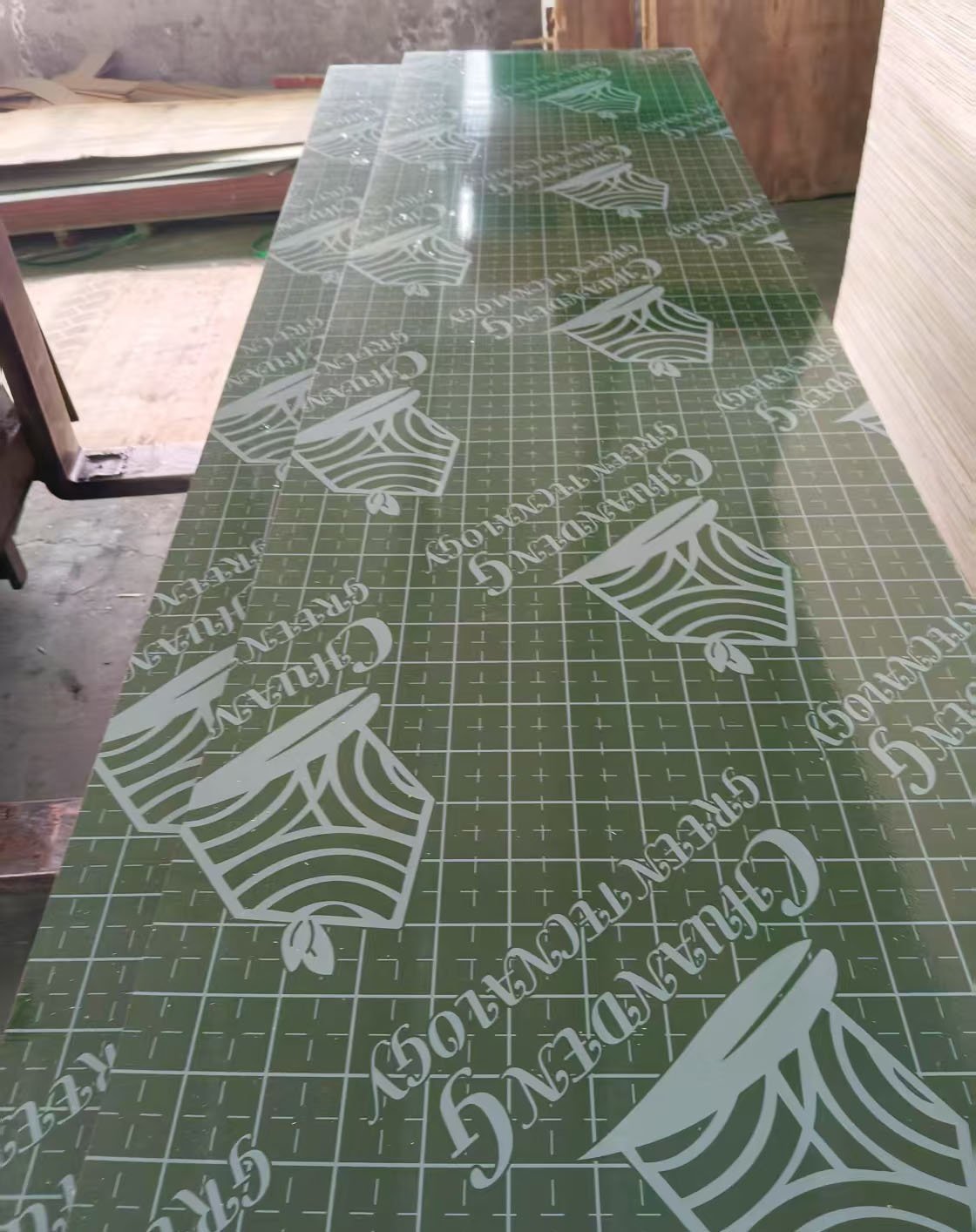
The big-box yard stocks the filmed sheet, and film faced plywood lowes turns the store aisle into the source for the form panel. The stocked panel carries the resin face and the crossed core that the concrete form asks. This guide reads the stock, the spec, and the checks that keep the order honest.
The store stocks the filmed sheet with the spec that the form asks, because the mill and the retail chain each add their own layer to the panel. The spec leads the order. Read the sheet against the duty.
The store stocks the filmed sheet with the resin face and the core that the form needs, because the hardwood core carries the pressure that the softwood sheet saves. The matched spec closes the form. Read the core against the pour.
The store quotes the bond and the thickness that the drawing asks, because the exterior glue and the deeper panel answer the wet line and the pressure. The matched spec keeps the order honest. Read the spec against the framing.
The quote at the counter runs on the square foot and the sheet, because the two scales read the same panel at different sizes. The matched quote serves the order.
The price follows the spec, because the hardwood core and the exterior bond carry the premium that the softwood sheet saves. The matched spec keeps the quote honest. Read the price against the panel.
The store cuts the sheet to size, because the cut service saves the site saw that eats the edge. The matched cut keeps the edge clean. Read the cut against the layout.
The concrete form, the hoarding, and the staged build each read the sheet against the duty, because the pour and the weather ask different classes of the same filmed panel. Match each bay against the drawing.
The form takes the filmed sheet where the pour applies the pressure, because the resin face releases the cast while the core carries the load. The matched sheet closes the form. Read the depth against the pressure.
The hoarding takes the filmed face where the weather reaches the panel, because the sealed surface sheds the rain that the raw grain drinks. The film serves the barrier. Match the face to the exposure.
The delivery still reads the ticket, because the mixed pallet carries the panel that the form should not take. The checked sheet keeps the order honest.
Read the stamp and the crossed edge on every sheet as it leaves the stack, because the rated panel carries the marks that the finish sheet never shows. The matched marks close the order. Check every sheet before the crew starts.
Check the film for the scratches and the voids that the cast would tear, because the smooth face releases the concrete clean. The matched face closes the form. Read the film against the light.
Strike the form once the concrete has set enough to hold, because the early strike tears the cast that the cured face releases clean. Read the cure against the schedule before the panels pull away. Check the film after the strike.
Clean the film after the strike so the next cast releases as clean, because the residue and the scratch that stay on the face tear the finish that the sheet must transfer. Keep the face clear between the pours.
The order fails in a few familiar places: the wrong core for the duty, the depth short of the pour, and the delivery that misses the date. Each mistake goes back to the spec rather than the label. Read, match, and hold.
A softwood core sent to the heavy pour flexes where the hardwood sheet holds, so step the core up to match the pressure. The matched core closes the form. Read the duty against the sheet before the order.
A sheet short of the pour height flexes under the pressure that the deeper panel holds, so step the depth up to match the form. The matched sheet closes the wall. Read the pressure against the span before the order.
These are the questions buyers ask most about the store stock.
The store stocks the filmed sheet with the resin face and the crossed core, because the panel serves the form and the hoarding that the build asks for. Read the spec before the order.
The store carries the standard sheet size, because the format keeps the rate lower than the cut-to-size panel. The matched size serves the layout. Read the size against the run.
The store cuts the sheet to the layout, because the cut service saves the site saw that eats the edge. The matched cut keeps the edge clean. Read the cut against the plan.
Read the core, the film, and the bond against the drawing, because the matched spec closes the form. Check the sheet at the gate before the crew starts. Read the stamp against the plan.
The cut edge still drinks the moisture that the film sheds, because the raw plys at the side take the damp that the sealed face never meets. Seal every cut edge before the install.
Coat every cut edge before the panel is fastened, because the raw strip draws the water that swells the core. Keep the coating off the drainage line. Coat the edge on the bench before the lift so the raw strip never meets the rain that reaches the installed panel now and then and then and then and then and then and then.
Cut with the teeth entering the filmed face so the exit side stays whole, because the tear at the back shows under the cast that the sealed face transfers. Keep the blade sharp against the resin. Score the line before the pass.
The fastener still reads the framing behind the filmed face, because the screw into the stud carries the concrete pressure while the fixing in the field alone lets the panel bow. The matched spacing holds the form.
Pre-drill the pilot into the face so the screw enters without the split that the veneer opens along the grain, because the clean hole holds the thread while the forced screw lifts the layer line. Set the head below the face.
The closer spacing holds the sheet flat where the pour presses the panel, because the field carries the middle while the edge takes the pull at the strike. Keep the fasteners to the schedule. Drill the pilot at the edge plys.
The store sheet still reads the flat store, because the site-level damp reaches the bottom panel and the stacked face keeps the release clean. Handle the sheet to the dry line through the programme.
Store the sheets on the flat stickers rather than the ground that wicks the damp into the bottom panel, because the stacked sheet stays flat and the film stays clean for the form that follows. Keep the cover off the top against the rain.
Check the delivered stack against the ticket at the gate before the crew stages it, because the mixed pallet carries the panel that the form should not take. Read the stamp on every sheet as it leaves the stack. Confirm the spec before the crew starts.
Read the spec, the marks, and the delivery against the drawing, and the film faced plywood Lowe’s choice becomes the store that keeps the form on schedule. The matched sheet serves the build. When the run needs filmed panels from the store source, HYY supplies sheets with the core, film, and bond marked on every panel, and the Film Faced Plywood and Commercial Plywood pages show the stock for the form and the face. The complete plywood product range backs the order before the truck is booked.