Our Location
5th Floor, Huake Center, Lanshan District, Linyi City, Shandong Province, China

5th Floor, Huake Center, Lanshan District, Linyi City, Shandong Province, China
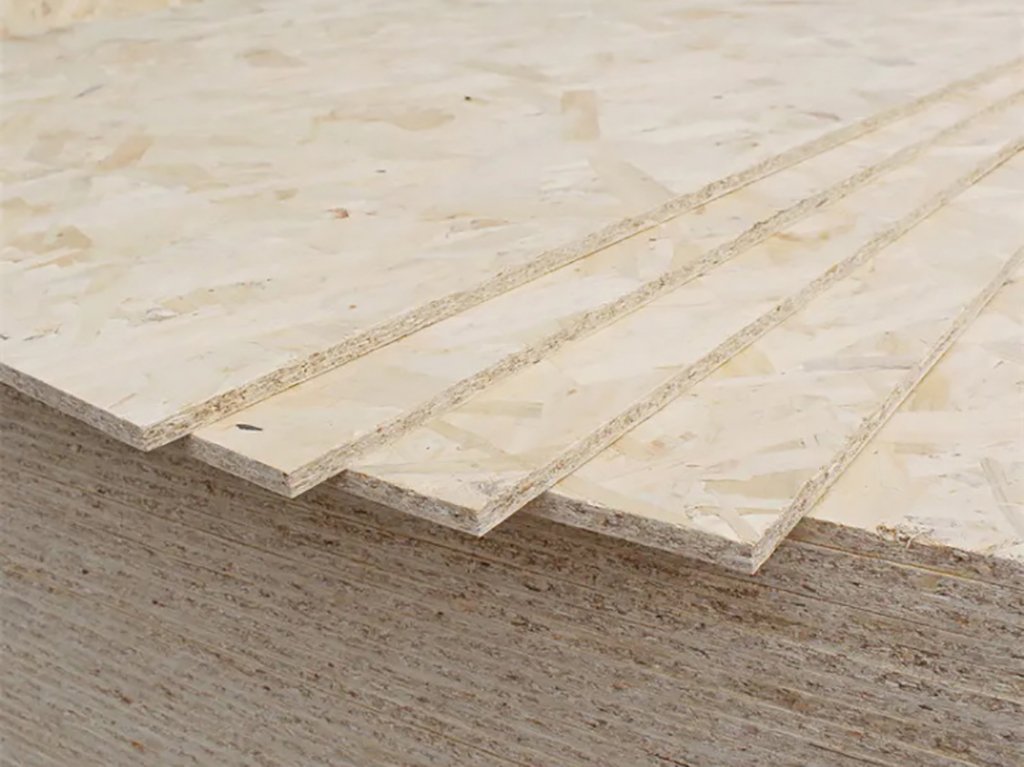
The wall goes up in the wide sheet that carries the load and closes the thermal line in the one lift, and structural insulated plywood panels put the plywood faces either side of the insulation core so the panel answers both duties at once. The face carries the fastener and the racking while the core holds the temperature across the seam. This guide reads the sandwich, the joint, and the duty that the combined panel serves.
The two faces take the tension and the compression that the sandwich applies at the bending, because the stressed skins carry the pull across the core that separates them. The load path leads the choice. Read the span against the panel.
The plywood faces hold the tension on one side and the compression on the other, because the separated skins answer the bending that the single sheet carries alone. The matched face carries the load. Read the span against the framing.
The insulation core keeps the faces apart so the bending arm stays deep while the temperature crosses the panel slowly, because the separated skins carry more at the same weight. The core sets the depth. Match the panel depth and the stated rating to the drawing before the order goes out, because the specification rather than the habit sets the sandwich.
The core still reads the thermal line, because the continuous layer across the panel holds the temperature that the framed line loses at the stud. The stated rating on the product data leads the choice for the envelope.
The core runs unbroken from edge to edge so the temperature crosses the panel rather than the framing line, because the stud bay that carries the load still releases the heat at the continuous path. The unbroken core closes the line. Read the rating against the specification.
The seam between the panels still reads the joint that the finish closes, because the gap at the edge releases what the core holds. Tape or seal the joint to the specification. Keep the line continuous through the full lift and check every joint as the panels go up, because the gap that the crew misses holds the loss through the season.
The wall, the roof, and the cold store each read their own duty against the combined panel, because the load and the temperature ask different things of the same sandwich. Match each bay against the drawing.
The wall takes the wide panel where the load and the thermal line land in the one lift, because the face carries the wind while the core holds the temperature. The matched panel closes the envelope. Read the span against the framing.
The roof takes the sandwich where the snow load crosses the core that the plain sheathing carries without the thermal line, because the combined panel answers both duties at once. Match the depth to the span that the framing draws and keep the fastener line on the member behind the face.
The fastener still reads the framing behind the sandwich, because the screw that misses the line holds the face alone while the fastener into the framing carries the load. The matched fastener holds the panel.
Set every fastener into the framing member behind the face because the fixing in the core alone pulls out under the wind load, because the framing carries the pull that the foam releases. Mark the line on the face before the drill starts. Keep the spacing to the schedule.
Keep the fasteners back from the panel edge where the face splits under the thread, because the close edge lifts the skin that the field carries. Set the head below the face. Drill the pilot before the screw drives.
The site cut still reads the blade and the support, because the two faces tear differently at the exit side while the core loads the blade through the full pass. Support the panel before the cut starts.
Cut with the teeth entering the face that the finish reads so the exit side stays whole, because the tear at the back face shows under the coating that the seam reads later. Keep the blade sharp against the resin that the glue line deposits on the teeth through the pass.
Clear the cut core from the joint so the panels close tight rather than riding on the debris that the saw leaves at the edge, because the clean line lets the face meet the face through the full length. Check the edge before the panel is set.
Seal every cut edge of the face where the panel meets the damp programme, because the open plys drink the moisture that swells the core and lifts the skin along the line. Coat the edge before the panel is set, because the sealed face holds the wet weeks out of the joint.
The install fails in a few familiar places: the fastener short of the framing, the seam left open, and the panel cut short of the line. Each mistake goes back to the layout rather than the sandwich. Read, match, and seal.
A fastener set in the core alone pulls out under the load that the framing member holds, so mark the line on the face and set every screw into the framing. The matched fixing carries the pull. Check the line before the drill starts.
An open seam releases what the core holds, so tape or seal the joint to the specification before the finish closes it. The sealed line keeps the temperature in. Check every joint across the full lift as the panels go up onto the framed wall below.
The panel still reads the flat store, because the stacked sandwich carries the load on the face that the ground-level damp reaches first. Handle the sheet to the flat line through the run.
Store the panels on the flat stickers rather than the ground that wicks the damp into the bottom face, because the stacked sheet stays true for the run that follows. Keep the cover off the top against the rain while the stickers keep the airflow between the panels.
Lift the wide panel with the crew rather than the single hand that folds the face at the middle, because the carried sheet stays flat while the dragged panel dents the skin. Support the full length through the lift.
These are the questions builders ask most about the sandwich.
The faces carry the tension and the compression across the core, so the sandwich answers the load and the thermal line in the one panel. Read the span against the framing.
Set every fastener into the framing member behind the face, because the fixing in the core alone pulls out under the wind load. Mark the line before the drill starts.
The face still takes the coating the exposure asks, because the plywood skin meets the weather first. Seal the edge and finish the face to the specification.
The wall, the roof, and the cold store each read their own duty against the sandwich, because the load and the temperature set different panels on the same family.
Read the span, the rating, and the seam against the drawing, and the structural insulated plywood panels question becomes the spec that leads the order rather than the surprise that arrives on the truck. The matched panel closes the envelope. When the run needs combined panels, HYY supplies sheets with the face, depth, and bond marked on every panel, and the Commercial Plywood and Film Faced Plywood pages show the stock for the faces of the sandwich. The complete plywood product range backs the order before the truck is booked.