Our Location
5th Floor, Huake Center, Lanshan District, Linyi City, Shandong Province, China

5th Floor, Huake Center, Lanshan District, Linyi City, Shandong Province, China
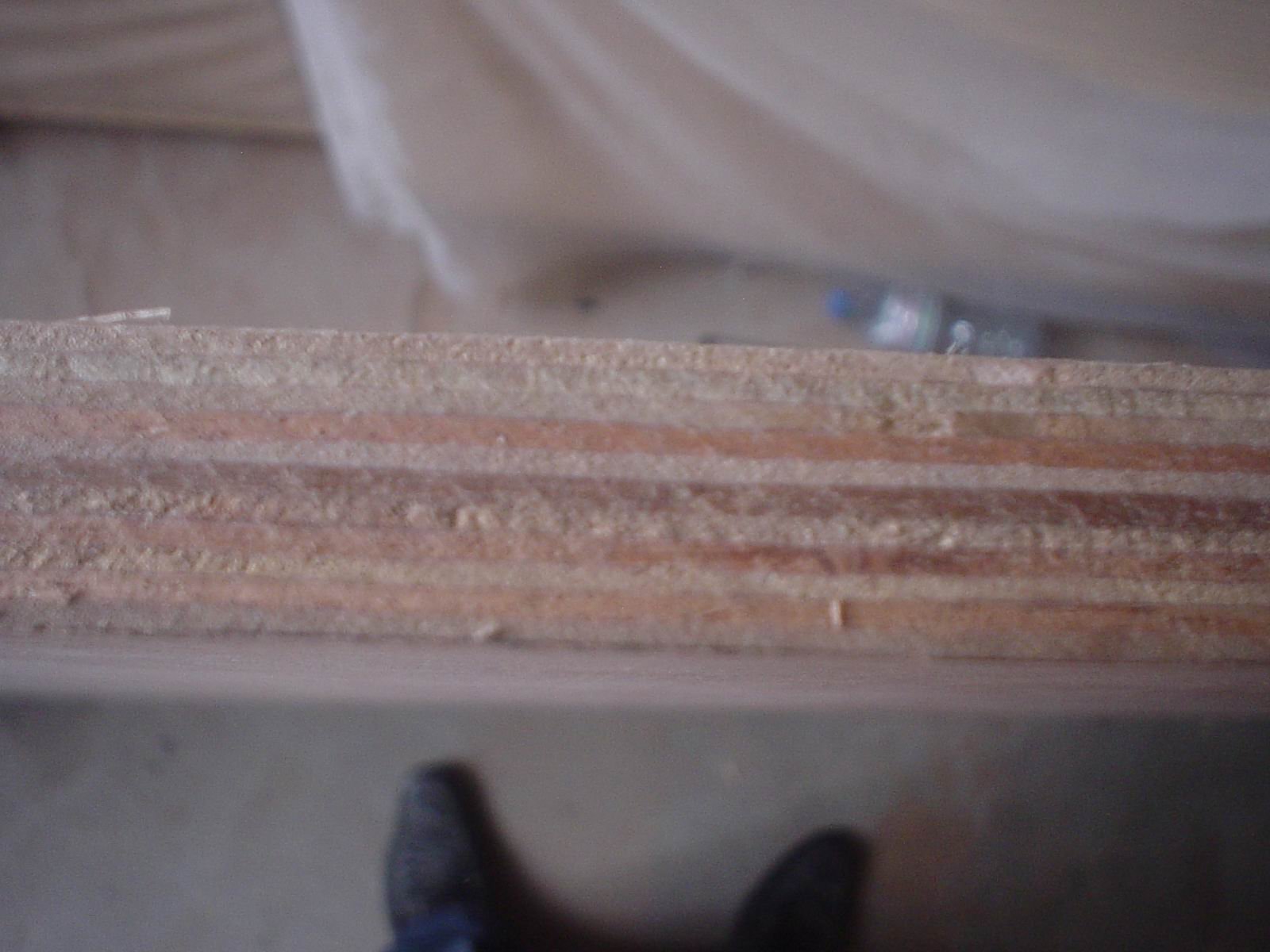
The tube sits on the bench while the sheets wait on the horses, and how much construction adhesive per sheet of plywood sets the bead that closes the bond line without the squeeze-out mess. The coverage follows the subfloor, the wall panel, and the capped deck rather than the tube size alone, because each duty asks a different pattern across the face. This guide reads the bead, the open time, and the quantity that keeps the panel stuck flat.
The coverage runs on the bead pattern and the open time rather than the tube count alone, because the thin ribbon under the panel closes the bond line while the heavy rope leaves the squeeze-out for the edge. The pattern leads the order. Read the duty against the bead.
The continuous bead across the joist line carries the load that the spot dab lets the panel lift at between the framing, because the full ribbon transfers the weight along the line that the framing draws. Keep the bead to the ribbon rather than the rope. Match the bead to the framing.
The light lining panel takes the spot pattern at the stud spacing where the dead load never lifts the face, because the light sheet holds the spot that the loaded deck needs the full ribbon for. The spot pattern saves the tube. Read the load against the pattern.
The subfloor takes the heavier coverage that carries the walking load across the joist line while the wall panel serves the lighter pattern at the stud, because the duty behind the face sets the bead that the bond asks for. The subfloor leads the quantity. Match the duty to the bead.
The subfloor ribbon runs continuous along the joist so the panel stays stuck flat under the walking load that the spot pattern lifts between the framing, because the full bond line carries the load that the dabs let flex. Keep the ribbon to the joist width. Roll the panel into the bead before it skins.
The wall panel takes the spots at the stud spacing where the dead load never lifts the face, because the light sheet holds the spot that the loaded floor needs the continuous ribbon for. Keep the spots to the stud line. Press the panel into the bead before the fastener.
The open time sets the window before the bead skins over, because the adhesive that sets before the panel lands leaves the dry spots that the bond line never closes. Roll the sheet into the wet bead. Match the open time to the crew.
Lay the sheet into the bead while the ribbon is still wet, because the skinned bead leaves the dry contact that the clamp never fully wets. Keep the run to the window that the label names. Lift the panel only once.
The cold stretches the open time while the warm shortens it, because the temperature sets the skin time that the bond line reads. Adjust the run length to the day. Keep the tubes warm before the bead goes down so the flow stays clean through the whole run.
The floor, the wall, and the capped deck each read their own quantity against the load, because the walking load and the dead load ask different things of the same tube. Match each bay against the drawing. The right quantity serves each panel.
The capped deck takes the continuous bead at the framing and the edge bead where the moisture reaches the seam, because the wet edge releases the bond that the dry field holds. Seal the edge before the cap lands. Keep the bead off the drainage line.
The stair tread takes the heavier bead across the stringer where the foot lands, because the walking load crosses the bond line that the light pattern lifts at the landing. Keep the ribbon full across the stringer. Roll the tread into the bead before the screw.
The bead follows the framing that carries the load, because the continuous ribbon along the joist still reads the spot pattern at the stud that the light panel sits on. Match the pattern to the line the panel lands on.
The joist line takes the full ribbon so the walking load transfers along the framing that the panel bridges, because the dabs leave the flex between the joists. Keep the bead to the joist width. Roll the panel into the wet bead before the fastener.
The bond fails in a few familiar places: the bead too thin for the walking load, the skinned ribbon under the panel, and the heavy rope that leaves the squeeze-out for the edge. Each mistake goes back to the pattern rather than the tube. Read, match, and roll.
A thin bead under the subfloor lifts at the bay between the joists where the continuous ribbon holds, so step the pattern up to the full line and re-roll the panel. The full ribbon closes the bond. Read the load against the bead before the next sheet.
A bead that skins before the panel lands leaves the dry contact that the clamp never wets, so shorten the run to the open time and re-bead the dry spots. The wet ribbon holds the panel. Keep the tubes warm on the cold day.
The order runs on the panel count, the pattern, and the open time, because the tube that serves the subfloor still reads the wall run on the same day. Match the three against the plan. The planned order serves the crew.
The tube count follows the pattern and the sheet count, because the continuous ribbon for the floor still reads the spot pattern on the walls that the same crew lays. Count the tubes against the layout. Order the spare tube before the run.
Store the tubes warm and sealed before the run so the bead flows clean rather than the cold stiff that the gun chokes at, because the warm tube lays the ribbon that the cold one skips. Check the tip before the first bead. Keep the spare sealed until the run starts.
These are the questions crews ask most about the coverage.
The quantity follows the pattern and the open time rather than the tube count alone, because the continuous ribbon under the floor asks more of the tube than the spot pattern on the wall panel.
The subfloor takes the continuous bead at the joist line because the walking load crosses the bond line that the spot pattern lifts at, and the full ribbon keeps the panel stuck flat.
Lay the bead along the framing while the ribbon is still wet, then roll the sheet into the bond before the adhesive skins over. Lift the panel only once so the contact stays full.
The adhesive and the fastener work together, because the bead holds the panel flat between the framing while the screw holds the edge that the clamp would carry. Use both across the run.
The set follows the temperature and the open time on the label, because the cold stretches the window while the warm shortens it. Keep the panel in place until the bond holds the load.
Match the pattern, the open time, and the quantity to the load, and the how much construction adhesive per sheet of plywood question becomes the spec that leads the run rather than the guess that leaves the panel lifting. The full ribbon on the wet bead holds the bond. When the build needs panels cut for the run, HYY supplies sheets with the face and thickness marked on every panel, and the Commercial Plywood and OSB Board pages show the stock for the subfloor and the wall. The complete plywood product range backs the order before the truck is booked.