Our Location
5th Floor, Huake Center, Lanshan District, Linyi City, Shandong Province, China

5th Floor, Huake Center, Lanshan District, Linyi City, Shandong Province, China
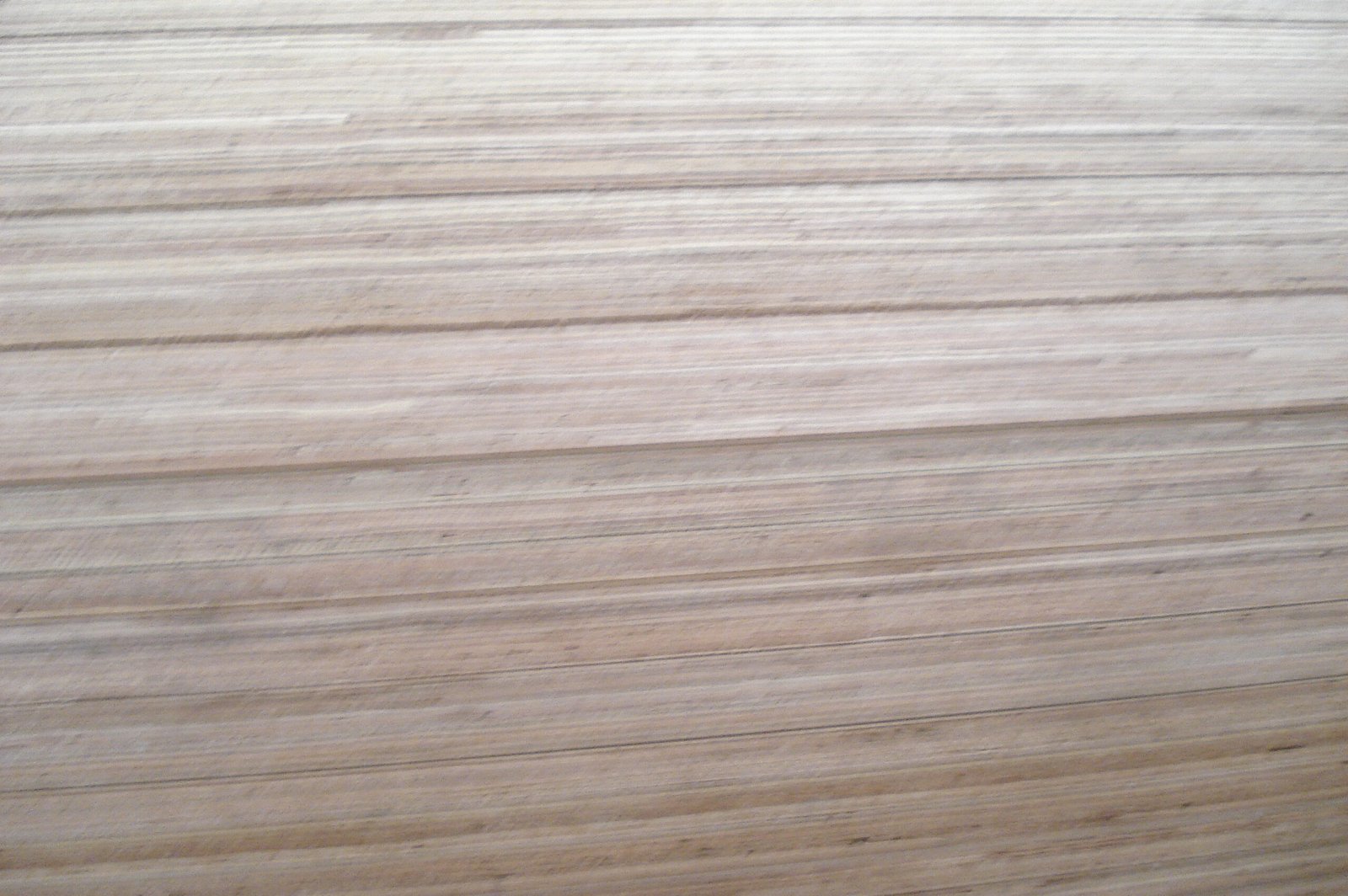
The arch and the drum take the shape that the flat stock refuses, and why plywood bends comes down to the thin, long-grain layers that follow the curve while the solid plank fights it. Each veneer flexes at its own depth, and the glue line lets the sheets slide into the radius before the shape locks. This guide reads the layers, the moisture, and the methods that turn the panel into the curve.
The bendable sheet builds from the veneers cut with the grain running the length of the curve, because the long fibre flexes at the depth that the cross grain resists. The thin layer carries the bend that the thick plank refuses. Read the grain and the curve follows.
The grain running along the bend lets the fibre flex into the radius while the crossed layer holds the shape once the panel is set, because the long fibre bends where the end grain snaps. Run the grain with the curve. The matched direction carries the arc.
The thinner veneer takes the tighter radius because the fibre deflects at the depth that the thick layer cannot reach, and the panel that builds from more thin plies reads bendable at the tight arc. Count the plies against the radius. The thin layer earns the curve.
The panel flexes easier when the moisture softens the fibre and the warmth lets the glue line give, because the dry sheet resists the curve that the dampened sheet follows. The wet method serves the tight radius. Read the bend against the moisture.
The water worked into the face softens the veneer so the fibre slides into the radius without the crack that the dry bend starts, because the damp layer flexes where the dry one splits. Wet the face and bend within the window. Keep the moisture even across the sheet.
The steam or the warm blanket carries heat into the core that loosens the resin for the bend, because the warm panel takes the radius that the cold sheet snaps at. Heat and moisture work together. Bend while the panel is warm.
The form carries the curve that the panel takes, because the sheet pulled around the true radius holds the shape while the glue and the layers set. The clamped bend locks the arc. Build the form first.
The panel is pulled to the form in the steady draw that feeds the curve rather than the sudden yank that cracks the face, because the gradual pull lets each layer follow. Work the sheet around evenly. Clamp as the curve reaches the form.
The clamps hold the panel against the form until the layers dry into the shape, because the released sheet springs back to the flat that it came from. Even clamp pressure closes the bend. Leave the clamps on through the cure.
The rigid sheet bends when the kerf cut relieves the face that resists, because the slots let the back close while the face flexes into the radius. The kerfed panel serves the shape that the unbent sheet cannot. Read the radius against the method.
The kerfs spaced along the curve let the back close evenly without the flat spots between the cuts, because the tight spacing reads smooth at the face. Set the spacing to the radius. Cut from the back and keep the face whole.
The glue blocks set into the closed kerfs lock the curve once the panel reaches the form, because the filled slot holds the back that wants to open. Fill every kerf. The locked panel keeps the arc.
The curved work takes the bent sheet at the arch, the drum, and the rounded corner where the flat panel would need the joint at the radius. The bent panel closes the curve in the one piece. Read the design against the method.
The arch and the curved ceiling take the bent panel because the smooth radius reads continuous without the facet that the segmented flat sheet shows, and the layer holds the curve over the span. The continuous arc finishes the ceiling. Bend to the form and hang on the framing.
The chair back and the rounded cabinet face take the bent sheet because the curve follows the body and the eye without the joint at the radius. The wet-bent panel holds the shape once it cures. Set the form to the design line.
The bend fails in a few familiar places: the dry sheet forced into the arc, the sudden pull that cracks the face, and the form released before the cure. Each mistake goes back to the moisture and the pace rather than the sheet. Wet, draw, and wait.
A face that cracked came from the dry panel pulled too fast into the radius, so wet the sheet, warm it, and draw the curve in the steady pass that the fibre follows. The dampened panel flexes without the split. Bend again on the new sheet.
A panel that opened after the release left the form too early or took the bend without the clamp, so return it to the form and cure it fully. The clamped cure holds the arc. Leave the pressure through the dry.
The curve is drawn before the sheet is chosen, because the radius decides the layer count, the moisture method, and the form that the panel needs. Read the radius against the method first. The planned bend closes without the trial.
The gentle curve takes the rigid sheet while the tight arc asks for the wet-bent, thin-ply panel, because each method serves the radius it was matched to. Read the drawing against the stock. The matched method carries the arc.
The form carries the curve that the panel takes, so the falsework built to the line sends the sheet into the shape the drawing asks, because the bend follows the form rather than the hand. Cut the form true. Check the radius against the drawing before the sheet arrives, because the form that runs true sends the panel into the arc without the flat spot.
These are the questions builders ask most about the curve.
The thin, long-grain veneers flex at the depth that the solid plank resists, because each layer follows the curve while the crossed glue line holds the shape. The moisture softens the fibre further.
Wet the face, warm the panel, and pull it steady to the form rather than in the sudden draw that cracks the face, because the dampened fibre follows the radius. Clamp through the cure.
Yes, the thin, long-grain sheet flexes into the gentle radius while the kerf relief serves the rigid panel at the tight arc. Match the method to the radius on the drawing.
The radius follows the layer count and the moisture method, because the thin plies take the tighter arc while the thick panel serves the gentle curve. Read the drawing against the stock before the form is cut.
The dampened fibre softens and follows the radius that the dry sheet snaps at, so the wet method serves the tight curve. Bend within the window and clamp through the dry.
Read the radius, match the layer and the moisture to the arc, and build the form to the line, and the question why plywood bends answers itself in the curve that holds. The long-grain sheet carries the shape the plank refuses. When the design needs bendable sheets cut for the arc, HYY supplies flexible and furniture-grade panels with the face and thickness marked on every sheet, and the Fancy Plywood and Commercial Plywood pages show the stock for the curve and the frame. The complete plywood product range backs the order before the form is cut.