Our Location
5th Floor, Huake Center, Lanshan District, Linyi City, Shandong Province, China

5th Floor, Huake Center, Lanshan District, Linyi City, Shandong Province, China
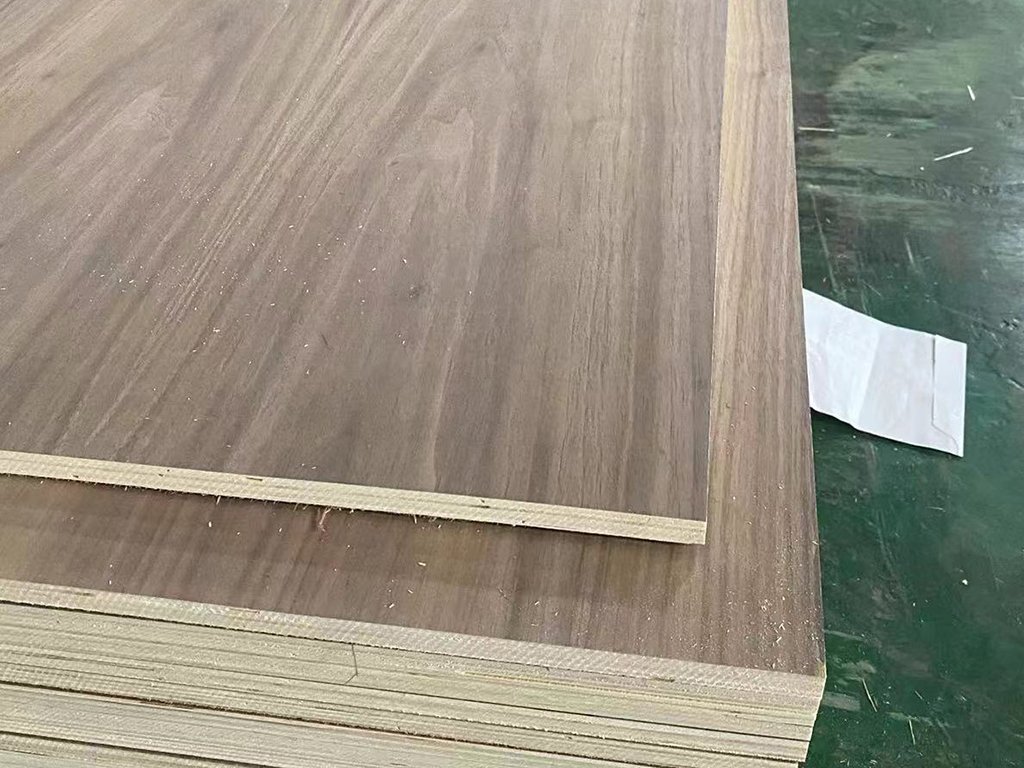
The rack carries two panels that look alike from the edge of the project: the layered plywood and the smooth MDF, and the plywood mdf choice follows the job rather than the price sticker. Plywood holds the screws and the moisture, while MDF paints smooth and routs clean on the flat faces. This guide compares the two panels on strength, the fastener, the moisture, and the finish, so each part of the build takes the board it needs.
The plywood panel builds from the cross-laid veneers glued into the layered sheet, while the MDF panel compresses the wood fibre with the resin into the dense, uniform board. The construction sets everything that follows: the layered core carries the screw and the moisture, and the fibre core paints smooth. Read the build and the comparison follows.
The cross-laid veneers give the plywood its strength in both directions and its resistance to the seasonal movement that the solid timber takes across the grain. The layering carries the screw threads and the load across the full thickness. That construction is where the plywood earns its structural place.
The compressed fibre gives the MDF its dense, uniform face that paints smooth and routs clean without the grain chatter, and the board stays flat on the large panels. The fibre core strips under the screw and swells at the exposed edge under the moisture. That behaviour sets the MDF into its finish class.
The layered core of the plywood grips the screw threads across the full thickness, while the fibre core of the MDF strips under the same fastener that pulls out at the load. Hinges, brackets, and joinery all hold better in the plywood edge, and the MDF takes the hardware only with the inserts that spread the load. The fastener decides the panel for the load work.
A screw driven into the plywood edge bites the cross-laid veneers and holds the working load, while the same screw in the MDF strips the fibre and loosens under the pull. The cabinet hinge and the shelf pin both live on that edge grip. Take the plywood wherever the fastener bites the edge.
The MDF takes the hardware with the threaded insert or the boss that spreads the load across the fibre instead of the thread bite, and the flat face holds the hinge plate cleanly. The insert costs the extra step and returns the smooth face. Use the insert where the MDF face is the design.
The exterior-bonded plywood holds the damp at the cut edge, while the MDF swells at the exposed core under the same water that the kitchen and the bathroom throw at it. The wet zone takes the plywood or an exterior-rated board, and the MDF stays in the dry rooms. The moisture exposure decides the panel before the finish does.
The sink base, the bathroom cabinet, and the outdoor build take the plywood with the exterior bond, because the fibre core of the MDF drinks the water and swells the edge that the paint cannot hide. The wet zone reads the bond class first. Keep the MDF in the dry interior.
Where the MDF serves the damp interior, seal every cut edge with the primer or the size before the paint, so the fibre does not drink the moisture of the room. The sealed edge keeps the board stable across the seasons. Treat the edge as part of the finish schedule.
The MDF paints smooth straight from the sanding because the uniform fibre takes the primer without the grain telegraph, while the plywood face shows the veneer grain and the patches under the clear coat. The painted door takes the MDF; the clear-finished face takes the plywood. The finish plan sets the panel.
The MDF face takes the primer and the topcoat with the even film that the painted door demands, and the routed profile stays crisp under the paint. The smooth face is where the MDF wins the visible work. Prime the edges as well as the face for the stable film.
The plywood face takes the clear oil or lacquer that shows the veneer grain, and the layered edge reads as the panel character rather than the defect. The clear finish turns the plywood grain into the design. Choose the face letter to match the clear coat.
The plywood wins the structural box, the wet zone, and the fastener-heavy joinery, while the MDF wins the painted door, the routed profile, and the flat panel that needs the smooth face. Most builds take both: the plywood carcass with the MDF doors reads as the standard kitchen. Match the panel to each part.
The cabinet box takes the plywood for the screw grip and the moisture resistance, and the painted door takes the MDF for the smooth face. The pairing carries the load in the carcass and the finish in the door. Read the part before the panel is ordered.
The loaded shelf takes the plywood for the stiffness that holds the span without the sag, while the light, painted shelf takes the MDF at the lower price. The span and the load set the panel. A long MDF shelf sags under the books that the plywood holds flat.
The MDF prices below the plywood on the common thicknesses because the fibre core uses the residue wood, while the plywood sheet carries the veneer yield and the press time. The budget build takes the MDF for the painted parts and steps the structural work to the plywood. Read the job class before the price comparison.
The painted doors, the light shelves, and the routed trim take the MDF at the lower panel price, and the smooth face saves the filling and the sanding that the plywood veneer needs under the paint. The saving lands in both the material and the finishing labour. Keep the MDF in its finish class.
The structural box, the wet zone, and the fastener-heavy joinery take the plywood because the rebuild that a stripped screw or a swollen edge costs far exceeds the panel saving. The plywood premium buys the service life. Read the load first and the price follows.
These are the questions builders ask most when they compare plywood and MDF.
For screw holding, edge strength, and moisture, the plywood outworks the MDF. The MDF wins for the smooth painted face and the routed profile on the flat panels.
Yes, for the painted, dry, non-structural parts like doors and light shelves. The wet zone, the fastener work, and the loaded span take the plywood instead.
The MDF prices below the plywood on the common thicknesses, and the smooth face saves the finishing labour under the paint. The saving stays in the finish class rather than the structure.
The fibre core strips under the screw and swells at the unsealed edge, so the MDF needs the insert for the hardware and the sealed edge for the damp room. Treated that way, the board serves its finish class for the years.
The plywood carcass with the MDF doors reads as the standard pairing: the box holds the screws and the moisture, and the doors take the smooth paint. Match the panel to each part of the cabinet.
Take the plywood for the box, the wet zone, and the fastener work, and the MDF for the painted door and the routed profile, and the build carries the load and the finish in the right board. The pairing does the work that one panel cannot. When the project needs both panels cut for the cabinet run, HYY supplies plywood and MDF with the thickness and the bond marked on the sheet, and the MDF Board and Commercial Plywood pages show the panels for each part. The complete plywood product range backs the order before the cut list starts.