Our Location
5th Floor, Huake Center, Lanshan District, Linyi City, Shandong Province, China

5th Floor, Huake Center, Lanshan District, Linyi City, Shandong Province, China
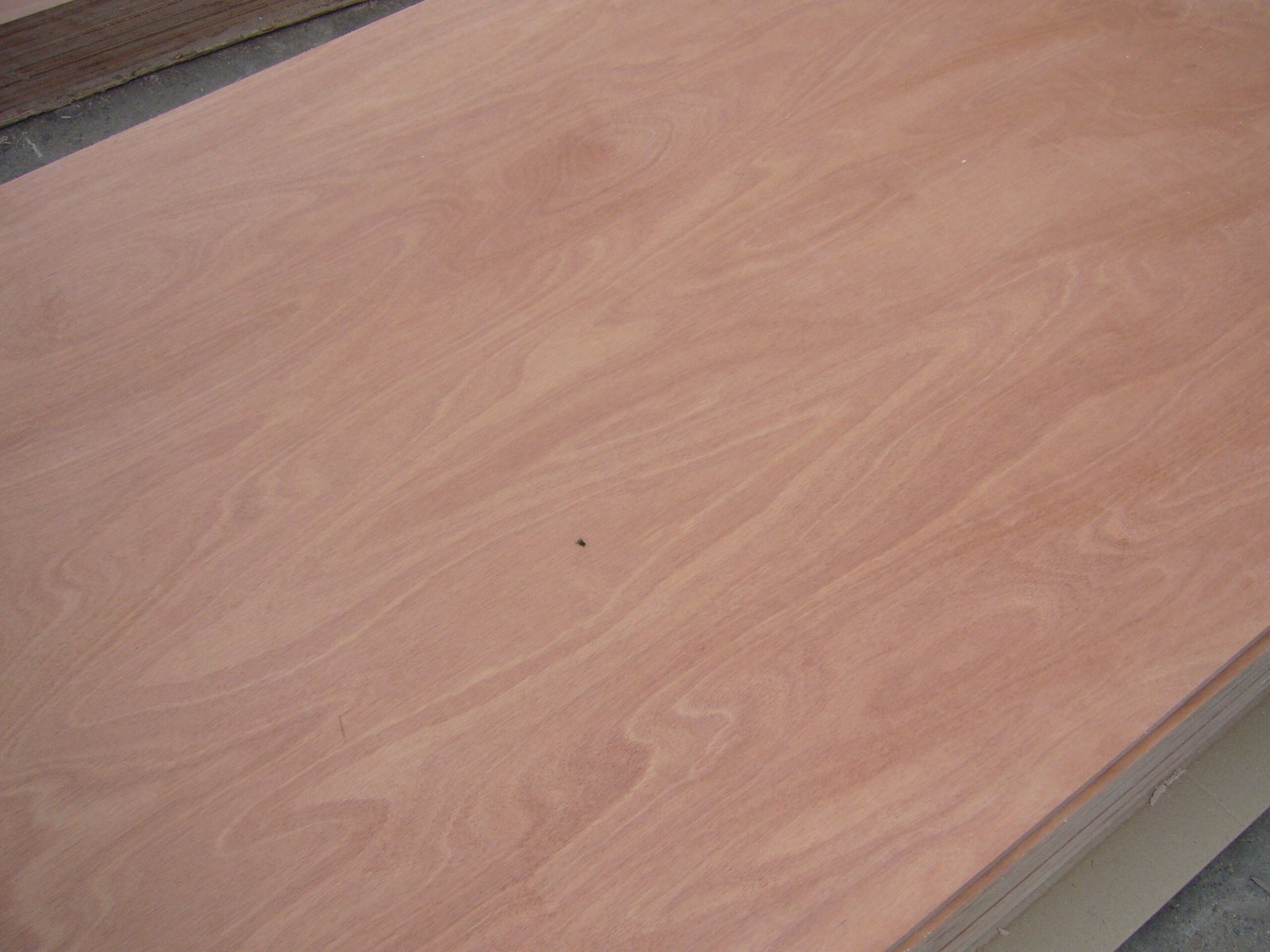
Whoever types near me plywood into the search box wants the sheet in the truck this afternoon, and the local options split between the timber yard, the builders merchant, and the supplier that delivers to the door. The nearby stock only helps when the panel on the rack matches the grade and the bond the project needs. This guide covers where to look locally, what to check at the rack, and when the delivered order beats the short drive.
The local search runs through a short list of sellers: the timber yard, the builders merchant, the farm and rural supply store, and the cabinet shop that sells offcuts. Each carries a different range of grades and thicknesses, so the project list decides which counter to visit first. Call ahead with the spec and the trip saves itself.
The timber yard carries the deeper range of grades and the structural ratings that the building work specifies, and the trade counter reads the grade stamp without the guessing. The yard buys in packs, so the full sheet order lands at the pack rate. Visit with the bond, the face, and the thickness written down.
The builders merchant and the box store hold the common thicknesses for the weekend project, with the shelf stock that walks out the same day. The range narrows to the popular faces, so the specialty grades stay at the yard. Check the shelf sheet against the stamp before it loads.
The nearby sheet earns its place only when the stamp, the flatness, and the edge match the order, so the rack check runs the same every time. Read the grade stamp first, then sight the sheet for the bow, and look at the cut edge for the core voids. The three checks take a minute and save the rebuild.
The stamp on the sheet names the face pair, the bond class, and the thickness, and those three lines are the order in miniature. Compare the stamp against the written spec before the sheet leaves the rack, because the label on the rack and the stamp on the panel do not always agree. The stamp is the document that settles the claim.
Sight down the sheet for the bow and the cup, and look at the cut edge for the voids that weaken the core under the screw. A flat sheet with a solid edge cuts clean and holds the joinery. Reject the warped panel at the rack rather than at the bench.
The local trip costs the fuel and the time, while the delivered order costs the freight and the waiting day, and the balance follows the sheet count. A few sheets ride in the trailer, and the full pack needs the tailgate or the forklift that only the delivery carries. Run the numbers before the truck is loaded.
One or two sheets for the weekend project collect cleanly from the merchant, with the roof rack or the trailer carrying the load home. Strap the sheets flat and support them across the span so the drive does not bow the panel. The pickup keeps the project moving the same day.
The volume order takes the delivery, because the pack arrives on the forklift and the freight costs less than the lost day of the collection. Confirm the site access and the drop point with the supplier before the truck is loaded. The delivery lands the stock where the cutting starts.
The nearby supplier earns the order with the answers to a short list: the bond classes held in stock, the face range on the rack, and the lead time on the specialty grade. Ask for the grade stamp photograph on the stock, and ask the return policy on the warped sheet. The answers sort the supplier before the deposit.
Ask which face pairs and bonds sit on the rack today, and how long the non-stock grade takes to arrive. A yard that holds the exterior bond and the graded faces saves the second trip. The lead time on the specialty sheet sets the project schedule.
Ask the policy on the bowed panel and the voided core, because the local supplier that takes the warped sheet back keeps the project on the good stock. The policy separates the trade counter from the shelf seller. Keep the receipt and the stamp photograph with the order, because the claim starts with the document of what was bought. A supplier that answers the list without the hesitation earns the repeat trip.
Price the same face pair and bond at a second local counter before the deposit, because the nearby yards price the same pack differently across the week. The second quote sets the benchmark for the whole order and takes ten minutes on the phone. Collect the two numbers and the budget reads clear before the truck is loaded.
The nearby shelf wins the small urgent job, and the delivered order wins the graded, bonded, full-pack project that the local range does not stock. Export-grade faces, the marine bond, and the odd thicknesses come from the supplier that ships rather than the shelf that holds the popular sizes. Match the source to the specification.
The clean A face, the marine bond, and the structural ratings that the big project specifies live with the supplier that carries the full range and ships to the site. The shipped sheet arrives stamped and flat for the cut list. Order the specialty stock early so the lead time sits outside the build week, and the delivered sheet lands flat and stamped for the cut list. The shipped panel carries the same grade stamp as the shelf sheet, so the check at the delivery matches the rack check.
Add the freight to the sheet price and compare it against the local price plus the collection time, because the delivered order often lands close on the volume buy. The landed cost decides the supplier, not the shelf sticker. Run the comparison before the order is placed.
These are the questions buyers ask most when they look for plywood near me.
The timber yard carries the deep grade range, the builders merchant holds the common thicknesses, and the rural supply serves the farm builds. Call ahead with the spec and the stock is confirmed before the trip.
Read the grade stamp on the sheet against your written spec: face pair, bond class, and thickness. The stamp on the panel is the document, not the label on the rack.
A few sheets collect cheaper locally, while the full pack often lands close or better with the freight added on the volume rate. Compare the landed cost including the collection time.
Sight the sheet for flatness, check the cut edge for voids, and confirm the stamp matches the order. Reject the bowed panel at the rack rather than at the bench.
Many yards order the specialty grades and bonds against the project schedule, with a lead time that sits outside the build week. Ask the lead time before the order is committed.
Call the yard with the bond, the face, and the thickness written down, check the stamp at the rack, and balance the pickup against the delivered pack, and the nearby stock carries the project. The right local supplier reads the grade stamp as fluently as the order. When the project needs the graded, bonded panels shipped to the site, HYY supplies the face ladder and the structural bonds with the stamp marked on every sheet, and the Commercial Plywood and Film Faced Plywood pages show the panels that ship to the build. The complete plywood product range backs the order before the truck is loaded.