Our Location
5th Floor, Huake Center, Lanshan District, Linyi City, Shandong Province, China

5th Floor, Huake Center, Lanshan District, Linyi City, Shandong Province, China
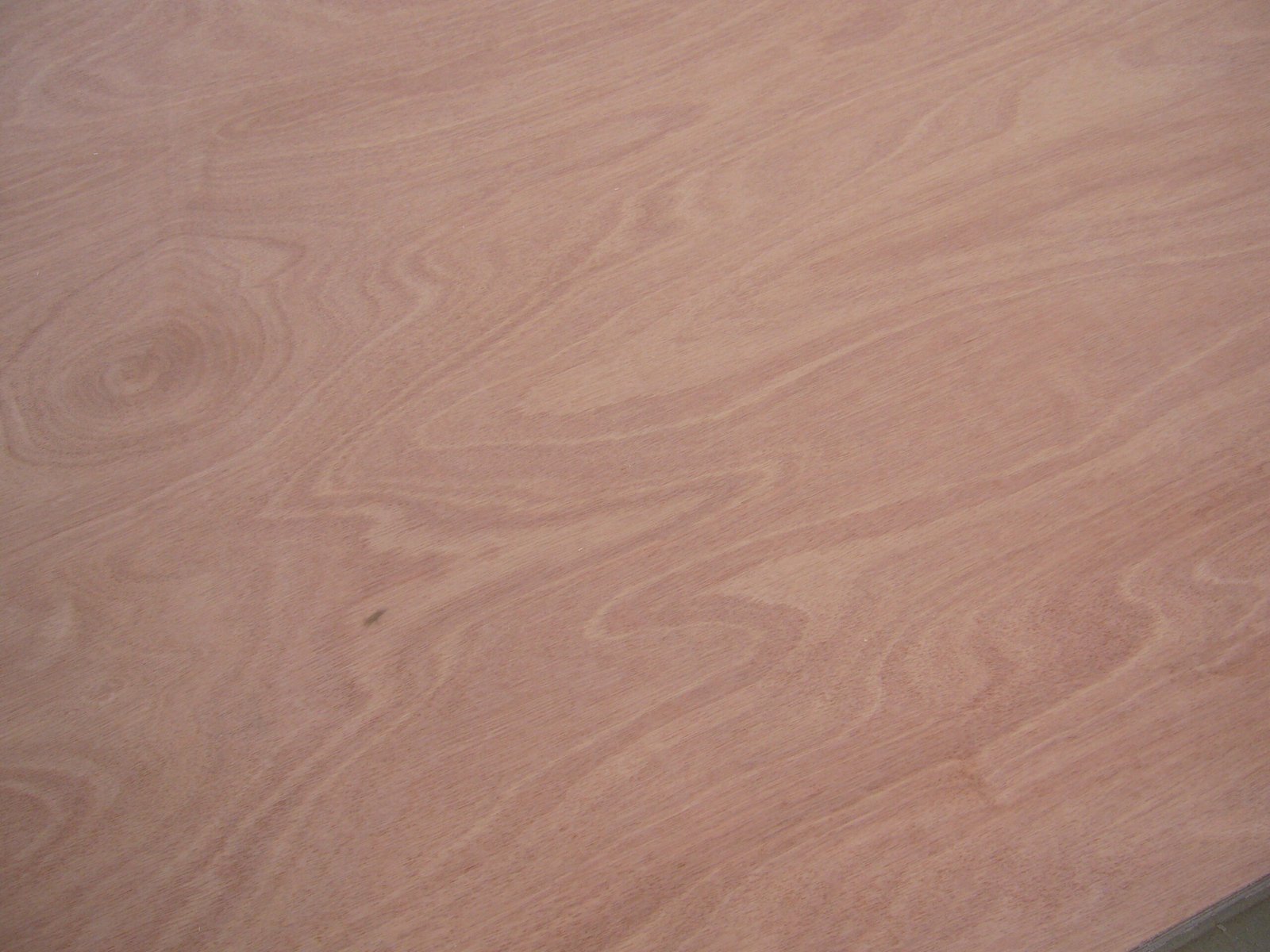
The best plywood grade is the one that matches the finish and the exposure of the project, and the priciest face rarely wins that match. A clear-finished top takes the premium face, a painted box takes the middle, and the hidden back takes the utility tier. This guide covers how to pick the plywood best grade for each job, so the order buys the face that shows and saves the budget where it hides.
The face ladder runs from the clean A face down through B and C to the rough D, and each tier serves the work its appearance allows. The best grade for a project follows what the face will show and what the exposure will throw at it, so one build may take A on the front and C on the back. Read the finish plan and the grade follows.
A clear finish shows every patch and knot, so the visible face takes the A tier that hides nothing. A painted face covers the small repairs of the B tier under the film, and the covered back takes C or D. The finish plan sets the face before the price is read.
The wet area and the outdoor work take the exterior bond regardless of the face, while the dry interior takes the interior bond. The bond rating carries the exposure that no face letter fixes. Confirm the bond first, then the face.
Clear-finished furniture, decorative panelling, and the exposed door take the A face, because the transparent coat shows everything the veneer carries. The A tier delivers the matched grain that the clear finish turns into the design. That is the one project class where the premium face pays for itself.
A table top, a cabinet front, and a feature wall under a clear coat take A so the surface reads as one clean sheet. The face carries the design and the clear coat protects it. Pair the A front with a B or C back to keep the cost inside the budget.
A rustic design accepts the small tidy repairs of the B face under the clear coat, and the saving stays in the order. The choice follows the look the room wants rather than the grade ladder alone. A deliberate B under clear is a design decision, not a compromise.
Painted cabinets, shelving, and trim take the B face, because the paint film covers the small knots and patches that the B tier allows. Spending on A under a solid colour buys a surface the paint hides anyway. The B face keeps the flatness and the strength the paint needs.
The B face carries a smooth enough surface for the primer and topcoat, and the repairs disappear under the colour. The saving over the A tier stays in the material budget of the build. Sand and prime the B face and the painted panel reads clean.
Utility painted work, like the inside of a shop cabinet, takes the C face where the paint job is rough and the appearance standard is low. The open knots may telegraph through a thin film, so keep C for the genuinely covered positions. Match the face to the quality of the paint finish.
Backs, subfloors, sheathing, and formwork take the utility tiers where no face ever shows, so the best grade there is the cheapest one that meets the structural spec. C and D serve the covered work at the utility price, and the bond and thickness carry the load. Do not buy a display face for a hidden panel.
A cabinet back or the inside of a closet takes C, because the face might be glanced at but never inspected. The C tier keeps the budget honest on the large covered areas of a build. Pair it behind an A or B front in the two-letter code.
The subfloor under the covering and the sheathing behind the finish take D, where the open defects never see the light. The lowest face price serves the work that only the structure matters on. Confirm the bond rating and the D face does the job.
The bathroom cabinet, the sink base, and the outdoor build take the exterior bond with the face that the finish needs, because the wet exposure outranks the appearance tier. A B face with an exterior bond outlives an A face with the interior bond in the damp. The bond is the first decision in the wet zone.
The exterior or marine bond keeps the panel stable under the moisture that swells the interior grades, so the wet project starts from the bond rating. The face letter follows the finish of the damp room. Read the bond stamp before the face letter on the order.
The visible bathroom face takes B or A by the finish, and the hidden wet back takes C under the same exterior bond. The two letters name both sides while the bond covers the exposure. The wet-area panel balances the face and the glue in one order line.
The best grade order balances the face, the bond, and the thickness against the budget, and the two-letter pairing does most of that work. Buy the premium face only where it shows and step the hidden side down to C. The order that matches each face to its exposure spends the budget where the eyes land.
An A-C panel costs well below A-A while showing the same A face to the room, and the saving scales across a large order. The back letter is the first place a smart order saves. Confirm both letters on the grade stamp at delivery.
Full packs of the chosen grade buy at the lower unit rate, and the consistent batch keeps the visible run uniform. Confirm the pack count and the face pair on the volume order. The pack price turns the grade choice into a planned line item, and the count arrives ready for the cut list of the whole run. A consistent pack keeps the visible face uniform across every sheet the project takes.
These are the questions buyers ask most when they look for the plywood best grade.
A is the top face for clear-finished work, B suits painted visible panels, and C or D serves the hidden structure. The best grade matches the finish and the exposure of the project.
B face for the painted visible parts, A for the clear-finished fronts, and C for the backs, all under the bond the kitchen moisture needs. Pair the front and the back in the two-letter code.
Not for a covered or painted panel, where the A premium buys a surface the finish hides. The better order spends A only where the face stays visible.
The exterior or marine bond matters more than the face letter outdoors, with the face set by the finish. B under a weather finish outlives a premium face on an interior bond.
The stamp names the face pair, the bond, and the thickness, like A-C with an exterior bond at a set thickness. Read all three against the order before the sheets leave the yard.
Map the finish plan to the face letter, set the bond for the exposure, and step the hidden side down to C, and the order carries the project at the honest price. The best grade is the match, not the top of the ladder. When the order needs the face ladder with the bond and thickness marked on the sheet, HYY supplies graded panels across the range, and the Fancy Plywood and Commercial Plywood pages show the faces for the visible work. The complete plywood product range backs the grade choice before the cut list starts.