Our Location
5th Floor, Huake Center, Lanshan District, Linyi City, Shandong Province, China

5th Floor, Huake Center, Lanshan District, Linyi City, Shandong Province, China
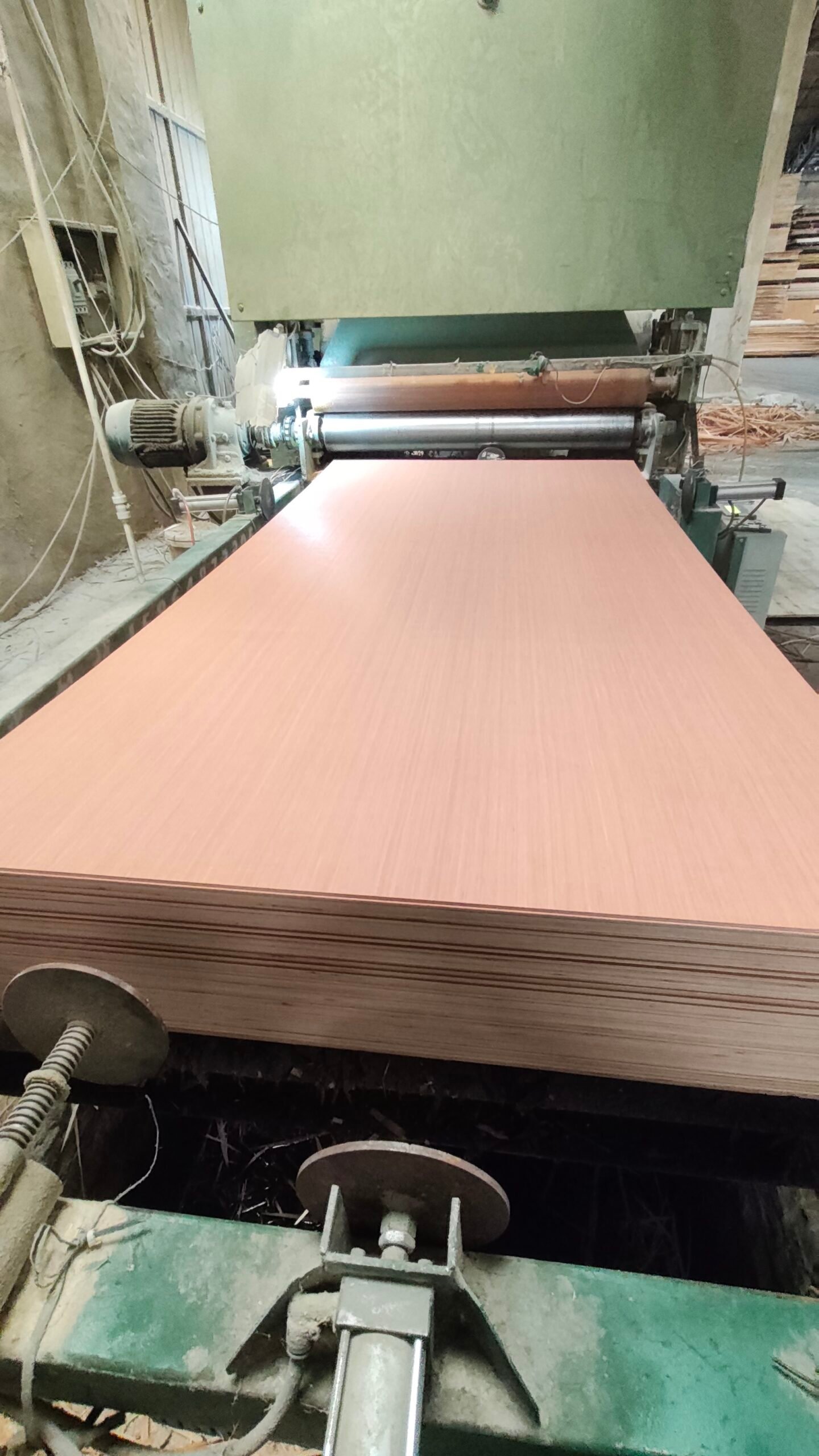
One of the first questions every buyer asks is what the i plywood size of the job should be, and the answer lives between the standard panel and the cutting list. Plywood comes in metric and imperial sheet sizes, each with a thickness range that matches the load and the span. This guide lays out the common i plywood size options, how the naming works, and how to choose the panel that wastes the least material.
The international standard plywood sheet measures 2440 mm by 1220 mm, and that panel divides cleanly for most jobs. This 8 by 4 foot equivalent suits full-size structural work, furniture, and van builds, and it represents the bulk of the market. Metric markets also use a 2500 by 1250 mm panel where slightly larger coverage suits a project.
A 2440 x 1220 mm sheet covers a wall stud bay, a roof deck, or a cabinet back with the smallest seam count, and the panel is wide enough to cut into useful strips. The panel weight rises with thickness, so a full-size 18 mm sheet takes two people to move. Buy the full-size sheet when the layout uses the footprint, and cut-to-size where the job needs a few precise panels.
Some metric markets and suppliers carry a 2500 by 1250 mm sheet that trims a little more coverage from a tall run. The extra 60 mm saves a seam on a long wall and keeps the waste low. Confirm the supplier’s exact footprint before the layout, because the difference changes the cut list.
Beyond the standard rectangle, plywood comes in square and marine silhouettes that suit specific work. A 1220 by 1220 mm square panel, the 4 by 4 profile, carries the cabinet market for drawers and small panels, while a 1525 by 1525 mm square panel appears where true square cuts matter. The heavy-duty 2440 by 1830 mm sheet covers a bigger single surface in one piece.
A 1220 mm square sheet cuts into cabinet pieces with the least waste and handles easily in a small workshop. The square footprint suits drawer boxes, shelf ends, and insert panels that rarely need the full 2440 mm length. Order square panels when the layout tiles into smaller squares, and the offcut pile shrinks.
Van walls, workbench tops, and large deck sections reach for the 2440 by 1830 mm panel that spans the surface in one piece. The wide sheet removes a seam from the middle of the job and stiffens the span. Confirm a supplier stocks the footprint, because the wide panel exists in fewer ranges than the standard sheet.
Plywood thickness runs the ladder from thin utility skins to heavy structural slabs, and the span and the load pick the number. A 3 to 6 mm panel serves as a skin or backing, 9 to 12 mm handles light sheathing and furniture, and 15 to 18 mm carries subfloor, deck, and heavy shelving. The thickness also changes the weight, the price, and the fastener length in the same order.
| Thickness | Typical use | Weight feel |
|---|---|---|
| 3-6 mm | Skins, backing, model work | Light |
| 9 mm | Light sheathing, cabinet backs | Moderate |
| 12 mm | Shelving, wall panels, van walls | Moderate |
| 15-18 mm | Subfloor, roof deck, worktops | Heavy |
The table matches the thickness to the job band. The span table and the framing spacing refine the choice within each band.
Imperial markets sell plywood in 4 by 8 foot sheets with thinner graded panels sized in inches of thickness. The 8 foot length suits house-framing appetites, and the 4 foot width carries the standard stud bay. A half sheet, literally a 4 by 4 foot cut, appears where a full sheet overwhelms the job or the saw.
Home centers cut 4 by 8 sheets down into half sheets for pickup customers and small shop use. A half sheet handles on one person, and the cost per square metre runs a little higher for the cutting. Buy half sheets when the layout fits the smaller footprint and the hauling budget prefers the lighter load.
The 2440 by 1220 mm panel converts to about 8 by 4 feet, and a 2500 by 1250 mm sheet lands just over that. Thickness measured in millimetres converts to fractions of an inch for the imperial catalog. Confirm the units on the quote, because a half-inch and a 12 mm panel are not the same sheet.
Buying cut-to-size panels removes the waste and the saw noise, and many suppliers sell exactly the pieces the drawing calls for. The cutting service prices by the piece and the cut count, so the cut-to-size option beats the full sheet when the job needs a few precise panels. Build the cutting list before the order so the layout sits on the sheet footprint.
Arrange the cutting pieces on the panel footprint on paper before the saw starts, and mark which sheet each piece comes from. A drawn layout plants the pieces edge to edge and keeps the offcut to the corners. The better the plan, the fewer panels the same cut list needs.
A project with a half-dozen panels of exact size pays for the cutting service and skips the leftover sheet. The service stays cheap when the cuts are straight and the pieces tile well, and it saves the waste pile at home. Confirm the supplier cuts clean edges and the price per cut before the pieces go on the order.
The size choice balances three pulls: the coverage, the load, and the waste. A larger panel covers more area and stiffens the span, while the correct thickness carries the load and the tight layout holds the waste down. Match the sheet footprint to the layout, the thickness to the span, and the order to the pack, and the panel choice becomes obvious.
Beyond the panel footprint, the pack quantity shapes how much plywood the job receives. Full packs ship strapped and flat, and the order rounds up to the pack size where the layout uses most of the boards. The pack rate lowers the unit price because the handling stays inside the bundle. Confirm the pack count and the cut service together, and the size story closes with a complete order.
A strapped pack holds every sheet flat against its neighbour, which keeps the panels as true as the press made them. Loose leaning piles let the sheets settle into a bow. Order the pack, store it flat, and the size and the flatness both survive to the bench.
Most panel suppliers own the saw that trims the full sheet into the cut list, and the service prices by the cut. Ask for prices at the pack size and the piece count, then compare the delivered total. A clean cut today beats an unplanned offcut pile tomorrow.
These are the questions buyers ask most when they size plywood.
The international standard panel measures 2440 by 1220 mm, roughly 8 by 4 feet. Metric markets also use a 2500 by 1250 mm sheet and square panels for cabinet work.
Match the thickness to the load and the span: thin skins from 3 to 6 mm, light sheathing at 9 to 12 mm, and structural work at 15 to 18 mm. The span table refines the number.
Very close, but confirm the exact metric cut with the supplier, because nominal imperial and metric panels can differ by a few millimetres. The difference matters on a tight joint.
Yes, many suppliers price the cutting by the piece and the cut count. The service pays when the job needs a few precise panels instead of a full sheet.
Draw the cutting list on the sheet footprint before the saw, and add 10 to 15 percent for waste. A tight layout and the right sheet size keep the offcut pile small.
Confirm the panel footprint, run the layout, and match the thickness to the span before the order goes down. Keep the waste allowance and the pack size in the same plan. When the project needs the right sheet for the footprint, HYY supplies standard and cut-to-size plywood panels, with Commercial Plywood for structural coverage and MDF Board for panels that cut to a clean edge. The complete plywood product range sizes every job from the first sheet.