Our Location
5th Floor, Huake Center, Lanshan District, Linyi City, Shandong Province, China

5th Floor, Huake Center, Lanshan District, Linyi City, Shandong Province, China
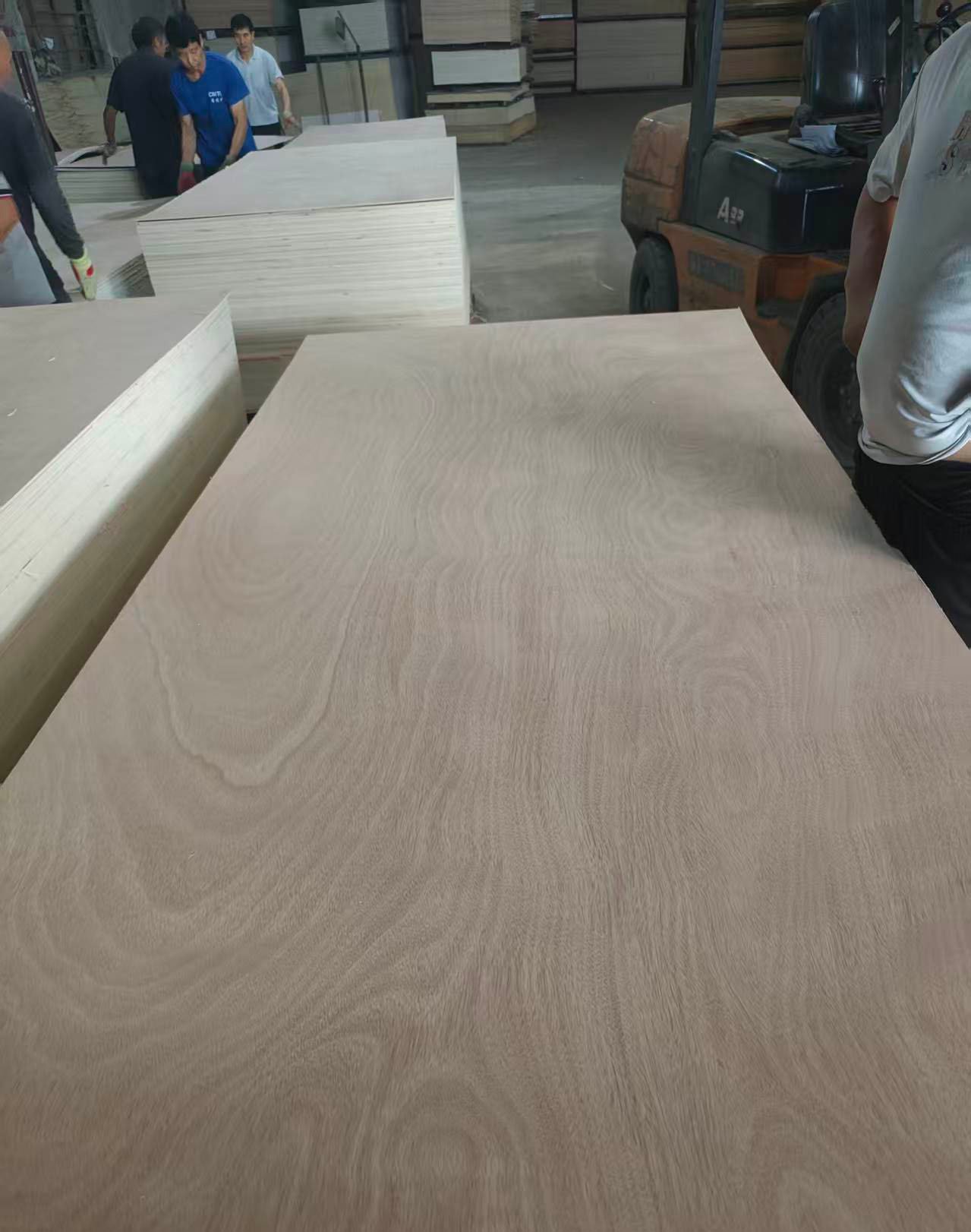
Buyers see one number at checkout and rarely understand what makes plywood cost what it does. The price of a sheet splits into raw wood, the veneers and glue, the face grade, the thickness, and a long freight leg that can rival the mill price. When the answer to how does plywood cost build up becomes clear, the buyer can compare quotes fairly and avoid paying for premium faces that stay hidden in the build.
Timber forms the base of the price, and the species, the quality, and the log supply all move the number. Hardwood veneers like birch and beech cost more than commodity softwood, because the tree grows slower and the logs yield fewer usable panels. The cost of the log shows up before a single sheet is pressed, and regional supply swings the raw material price every season.
A beech or birch panel costs more at the mill because the raw veneer costs more, and the finished sheet carries that premium to the shelf. Softwood fir and pine panels stay cheaper because the logs grow faster and peel into veneer with less waste. Match the species to the stiffness and look the job needs, and the price follows the log choice.
Timber prices rise with log demand, weather disruption, and shipping pressure, and the movement always reaches the final sheet. A buyer tracking the market watches the log index more than the events on the merchant’s site. Quotes change between seasons, so a price locked today carries a validity date that protects both sides.
Turning a log into a flat panel costs machinery, energy, labour, and resin, and every sheet carries a share of the line. Peeling, drying, gluing, pressing, sanding, and grading run the whole panel through a chain of steps that each add cost. The conversion cost differs by region, mill scale, and the quality controls that keep the panel flat and bonded.
Energy for drying and pressing, the resin bill, and factory labour make up most of the manufacturing cost. A mill running modern presses produces a flatter, more consistent sheet, and that reliability raises the price per panel. Skips in the line, like weak drying or starved glue lines, cut the cost and the warranty together.
Large mills spread their fixed costs across more sheets, so a container-scale producer sells cheaper per panel than a small shop cutting to order. Volume buys the same panel at a lower unit price through the whole supply chain. Buyers who consolidate orders into full packs capture the scale discount that retail singles never see.
Two sheets of the same species can land at different prices because one carries a premium face and one a utility face. Face grades run from the smooth A surface down through B, C, and D, and the price rises with the surface quality. Thickness does the same: an 18 mm panel holds more veneer than a 12 mm panel and costs more in material and pressing time.
A clean A or B face demands careful veneer sorting and more veneer yield loss, and that work appears in the price. A utility D face uses the usable lower grade veneers and sells for less because the mill sort earns extra value from panels that would otherwise head to waste. Choose the cheapest face that the visible side accepts, and the grade premium stays in your pocket.
Thicker panels stack more veneer layers and longer press cycles, so the price climbs with the thickness at a nearly straight line. Panel size follows the same rule, with a full-size 2440 x 1220 mm sheet costing more than a cut-to-size piece even when the square metre rate matches. Price the sheet against the usable area, not the raw number.
International plywood travels by container, and the freight leg often equals or beats the mill price. Packing, port handling, insurance, and the final road leg all sit inside the delivered cost. A quote without delivery terms hides the most variable part of the bill, so buyers compare landed cost, not the board price.
Container shipping prices swing with demand and fuel, and the same mill quote lands differently in different ports. The route, the volume, and the season all change the freight number. Ask for the delivery point in the quote and the freight line itemised, then compare suppliers on the full landed figure.
Palletising, edge protection, and wrapping add a small cost that protects the large cost of the panels behind them. A sheet damaged in transit turns a cheap price into an expensive waste. Confirm the packing standard in the order so the warranty covers the journey, not just the factory gate.
| Cost layer | What it includes |
|---|---|
| Raw wood | Logs, species, and regional supply |
| Conversion | Energy, resin, labour, and machine time |
| Grade and face | Veneer sorting and surface quality |
| Thickness and size | Material volume and pressing time |
| Freight | Container, port, insurance, and road leg |
| Overheads | Quality control, testing, and certification |
The table breaks the delivered price into the layers a buyer can compare. A transparent quote states each line, and a cheap headline price rarely survives the detail.
Plywood prices follow commodity cycles, rising when demand peaks and easing when supply catches up. Construction seasons, infrastructure projects, and freight pressure all feed the cycle, and buyers who plan around the curve buy at the quiet end of the year. The price on the shelf today changes with the next market report.
Peak build seasons tighten supply and push prices up, while quieter months open room for better quotes. A fixed budget stretches further when the order lands before the main construction push. Lock the order at the quiet time and the delivered cost stays closer to the mill rate.
Volume buyers watch the log and container indices, quote against several suppliers, and lock volumes inside a price-validity window. A transparent supplier holds the quote terms and explains the moving lines when the market shifts. That discipline turns a fluctuating commodity into a predictable line item.
The price drops in three honest places: buy the grade the face actually needs, order volume to spread the freight, and carry the stock through the right season. Hidden faces take a utility grade, structural work takes a structural core, and the thickness matches the span, not the habit of the previous job. Deliver the same build on a leaner bill by removing the unused premium.
A utility face costs less and carries the same load, so invisible work like framing, subfloor, and packing benefit from the cheaper grade. Visible furniture and doors justify the sanded or melamine face that saves finishing hours later. Compare the finished cost over the build, not the sticker at the counter.
Consolidate projects into one order so the freight spreads across more panels and the unit price drops with volume. Keep the same grade across the batch to avoid mixed stock and rework. A single clarified order beats several small, hurried buys at the retail counter.
These are the questions buyers raise most when pricing plywood.
Log supply, freight rates, and construction demand move together, and seasonality pushes the price during peak builds. Quotes change between seasons, so fixed-price windows protect the buyer.
Compare by square metre or cubic metre at a fixed size, grade, and bond, and include delivery in the total. The per-sheet sticker alone hides the variables that matter.
Yes, thicker panels hold more veneer and longer pressing time, so the price rises nearly lineally with thickness. Buy the thickness the span table needs, not the heaviest sheet in stock.
Buy a utility face where the surface stays hidden, consolidate volume to spread freight, and order in the quiet season. Each move trims the bill without touching the structural rating.
Yes, the stamp confirms the bond, the grade, and the structural rating that the price assumes. An unmarked panel carries no proven capability and no fair comparison.
Walk the quote through the six lines and confirm each before the order lands. Compare the grade, the thickness, and the delivered cost, then lock the quote inside its validity. For a factory-direct price that states the grade and the delivery terms, HYY quotes plywood in the grades the build needs, and the Commercial Plywood and Melamine Plywood pages show the range with the face grade clear. Browse the complete plywood product range before the quote comes back.