Our Location
5th Floor, Huake Center, Lanshan District, Linyi City, Shandong Province, China

5th Floor, Huake Center, Lanshan District, Linyi City, Shandong Province, China
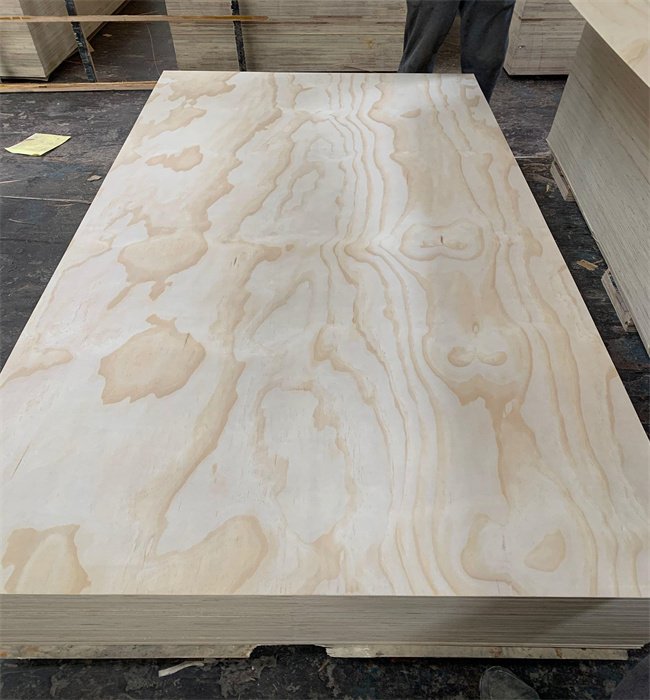
When a job demands serious stiffness, the solution often starts with 1 inch plywood, the thick panel that carries work benches, formwork, and heavy shelving. The nominal 1 inch thickness measures the panel before final sanding, so a finished sheet runs slightly under the label. This guide covers what 1 inch plywood really measures, where the heavy sheet earns its price, and how to cut and specify it for the jobs that need the extra bulk.
Nominal hardwood and softwood panel sizes describe the sheet before the finishing sand, so a 1 inch sheet lands closer to 23 to 25 mm on the caliper. Builders plan around the finished thickness, not the label, especially where panels meet frames and cabinets. Confirm the specification states the sanded thickness so the joint fits before the saw starts.
The mill presses the panel slightly oversize, then sands the faces to a final thickness. That sanding removes roughly a millimetre or more across the sheet, which is why a 1 inch label rarely measures a true 25.4 mm. Ask the supplier for the stated sanded thickness and design the joinery around that number.
The difference between 23 and 25 mm changes the routed slot, the fastener length, and the span the sheet carries. Tools sized for a true inch bind on the thinner sheet, and fasteners sized for the label miss the bite. Measure the delivered sheet, then set the guides and the screws to the real dimension.
A 1 inch panel brings heavy-duty stiffness to positions that flex a thinner board, from workbench tops to structural platforms to concrete formwork. The extra thickness also hides fixings better, carries heavy loads between wider supports, and resists the drumming that a thin shelf produces. Buyers reach for the thick sheet when the load, the span, or the abuse demands it.
Workbench tops, saw tables, and assembly platforms take hammering, clamping, and heavy parts, and a 1 inch top carries it without deflecting. The thick sheet also gives screws and T-tracks a deep bite that stays firm under repeated use. A single 1 inch sheet often replaces a laminated pair of thin sheets and the glue work between them.
Concrete formwork and staging decking rely on panels that resist wet concrete, weight, and stripping without buckling. A thick structural or film faced sheet takes the load between supports and gives the concrete face a clean release. Confirm the bond class for the wet service, because thickness alone does not make a panel waterproof.
Long shelves that carry file boxes, parts, or stock need a stiffness that a thin panel bends out of. At wide spacing, a 1 inch shelf supports the load with far less sag than a thin sheet. Match the thickness to the spacing and the stored weight, and the shelf stays level for years.
| Job | Panel behind the job | Key property |
|---|---|---|
| Workbench top | Structural 1 inch sheet | Stiffness and screw grip |
| Concrete formwork | Film faced 1 inch | Bond plus clean release |
| Heavy shelving | Commercial 1 inch | Wide-span load capacity |
| Structural decking | Structural 1 inch | Span rating |
| Doors and gates | Interior 1 inch | Stiffness without weight tricks |
The table shows the panel types that use the thick format. The bond and the structural rating still decide each use, not the thickness alone.
A 1 inch structural panel carries rated loads across wider support spacing than thinner sheets, and the span table on the pack states the approved distance. The sheet bends less under the same load because the extra thickness multiplies the stiffness far more than the weight it adds. Confirm the span rather than guessing, because heavy loads demand the rated schedule.
The stamp or the supplier data gives the maximum spacing for the panel grade in each service. At the rated spacing, the sheet carries the load listed without excessive deflection. Wider spacing, point loads, or heavy traffic step the recommendation toward a thicker or higher-rated panel.
A parked machine, a stacked pallet, or a single heavy part concentrates the load at one point, and the span table for uniform load does not cover it alone. Spread the point load with a timber runner or foot under the panel so the sheet carries it across the framing. The thick sheet shrugs off normal use but still needs the spreading under a true point load.
Cutting a 1 inch panel needs power and the right blade, because the thick section loads every tooth and wanders on undersized saws. Use a circular saw passed down a straightedge with a sharp crosscut blade rated for the thicker cut, and support the sheet across the cut so it does not bind the blade. The extra thickness rewards preparation at the bench.
A sharp 40-plus tooth blade with adequate power cuts the thick panel in one calm pass, while a tired blade burns the face and stalls near the end. Set the depth a few millimetres past the panel, score the good face against tear-out, and feed at a steady speed. On a track or guided saw, the rail keeps the long edge dead straight across the wide sheet.
Fasteners reach their grip based on the real sanded thickness, not the nominal label. Use the measured dimension to set the screw length so the point bites into the frame without punching the far face, and drill pilot holes where the veneer would split. The deep bite that made you choose the thick panel depends on getting the length right.
The bulk that gives a 1 inch panel its strength gives it weight, and a full-size 1 inch sheet is a two-person lift. Move thick panels on edge, use a lifting clamp on the cut ends, and never carry a full sheet by the corners alone. Stage the sheet close to the bench before it leaves your hands.
Lift a full 1 inch sheet with a partner, one at each end, and move it short, controlled distances on edge. Protect the hands with gloves against the raw edges, which cut on the thick kerf. Keep the path clear and plan the landing before the lift begins.
Store thick panels flat on even dunnage to keep the heavy sheet from sagging between supports and taking a set. A 1 inch panel with its weight unsupported across a gap slowly settles into a bow. Stack the sheets flat, level, and under cover so the bulk stays straight to the bench.
Thicker is not always better, because the weight and the price of a 1 inch sheet rarely pay for jobs that only need a surface. Cabinet backs, drawer parts, small shelves, and light panel work use far less material and cost far less to buy and cut. Match the thickness to the load and the span, and the money stays in the build instead of the waste bin.
Panels that only close a surface or carry a light load use 6 to 12 mm sheets and save weight on every panel. A thick sheet in a light position adds stiffness nobody feels and weight everyone carries. Spec the thinnest sheet that carries the job, and reserve the 1 inch panel for the positions that demand it.
The price per sheet climbs with thickness, so the 1 inch panel costs far more per square metre than a thin sheet. That premium pays only where the stiffness carries the load across the span. Price the whole job, not just the thick panel, before you build the list of parts.
These are the questions buyers raise most with the thick panel.
Nominal 1 inch panels finish around 23 to 25 mm after sanding. Confirm the stated sanded thickness from the supplier before you set the guides and the fasteners.
Workbench tops, concrete formwork, heavy shelving, and structural decking that need stiffness across wide spans. The bond and the structural rating still decide each use.
Only exterior-bond panels survive wet service, and the film faced format suits concrete work best. Thickness alone does not make a panel waterproof.
Yes, with a sharp 40-plus tooth blade and enough power, running along a clamped straightedge. Support the sheet across the cut so the blade does not bind.
A full-size 1 inch sheet is a two-person lift. Carry it on edge, wear gloves against the raw edges, and plan the landing before the lift.
Write the order with the sanded thickness and the structural rating, confirm the bond for the exposure, and check the delivered sheet with a caliper before it reaches the bench. For structural panels that hold the line on heavy jobs, HYY supplies thick structural sheets for workbenches and decking, with Commercial Plywood for heavy utility work and Film Faced Plywood for formwork. The complete plywood product range covers the panel behind every heavy-duty position.