Our Location
5th Floor, Huake Center, Lanshan District, Linyi City, Shandong Province, China

5th Floor, Huake Center, Lanshan District, Linyi City, Shandong Province, China
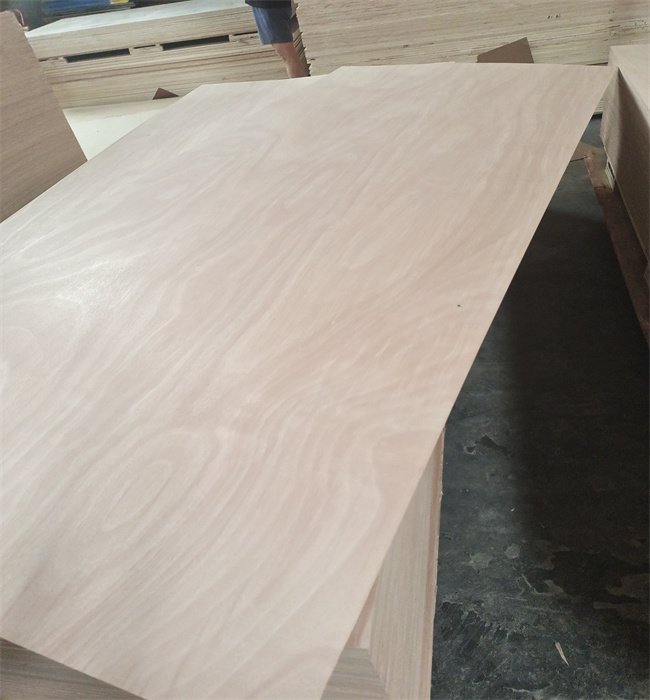
Few panel problems frustrate builders more than a sheet that leaves the pack flat and arrives at the bench with a bow. When a room or a frame exposes one face to damp and the other to dry air, the moisture difference swells one side faster than the other, and that imbalance warps the sheet. This guide explains how does plywood warp in practice, why some sheets bend more than others, and the storage and fixing rules that keep panels flat through the build.
Wood moves with moisture, and plywood warps when the faces take up different amounts of water. The core and the outer veneers swell as they absorb moisture, and a sheet with one damp face and one dry face curls toward the dry side. A flat panel stays flat only while the moisture stays balanced across its faces. Temperature, humidity, and direct contact with damp decide the direction of the bend.
When one face drinks moisture, the veneers on that side expand and push the panel into a curve, while the dry face stays shorter and pulls the other way. The result is a cup or a bow that shows up within hours of the imbalance. Water drawn out of one face dries the veneers and reverses the bow until the surfaces balance again.
A thin sheet has less stiffness than a thick one, so the same moisture swing moves the thin panel more visibly. Thin panels also pick up moisture faster from both faces because the moisture travels less distance to the core. A 5 or 6 mm panel cups from the damp a 12 mm panel shrugs off without moving.
Most warping begins at the pack, not at the panel. Panels stacked flat on a damp floor soak moisture from below, and a pack leaning against a wall lets one face breathe while the other stays pressed against the rack. Plywood stored on its edge with one face open to the room warps exactly along that exposed line.
Store panels flat on level dunnage raised off the floor, with the edges supported so the whole sheet stays in one plane. A flat stack presses every sheet flat against its neighbour, and the wrap protects the pile from room humidity changes. The stack should sit in a dry, ventilated space away from radiators, vents, and outside doors.
Panels stood on edge expose the lower face to floor moisture and leave the upper face dry, which starts a cup along the sheet. The longer the sheet stands, the deeper the curve. Keep sheets flat for storage and reserve the edge orientation for the short trip to the saw.
Keep the pack wrapped until the panels enter the workspace, then let them acclimatise flat to the room before cutting sensitive joinery. A cold sheet brought into a warm, humid room draws condensation onto the faces and starts a bow. Give the panels a full day to reach room equilibrium before the cuts begin.
Rooms with fluctuating humidity test every plywood joint, and a panel fixed flat but left exposed to a damp wall takes moisture unevenly. Basements, garages, and unventilated utility rooms put one face against moisture while the other meets dry air. The panel then acts like a moisture sensor, curling toward the drier side until the balance returns.
Vent the space and fix a damp-proof membrane between the panel and a concrete or earth wall, so one face never sits against standing moisture. A gap between the panel and the wall lets air pass and keeps the faces balanced. Where the air swings hard between seasons, the panel follows the room unless the framing holds it flat.
A panel held flat by framing suffers less distortion because the fixings stop the sheet from curling as the faces change. Screws at the correct spacing, along with a flat substrate, keep the sheet registered to its plane. Free-floating shelves and tabletops bow the moment the room dries, so fix them at intervals that the span accepts.
Sometimes the warp travels from the mill in the pack, not from the room. A panel pressed with moisture still trapped in the core, or one that sat wet on a dock before the wrap closed, arrives ready to bend. Buying from a supplier that stores and ships panels dry removes most of the risk, and a delivered sheet worth keeping stays flat on the floor within minutes.
Lay the delivery flat and check the corners lift equally against a known straight edge. A slight bow on a large sheet may be normal, but a panel that rocks diagonally on a flat floor has real distortion. Inspect before the wrap opens fully, because once the panels accept the job, the bend becomes your problem.
Ask the supplier how the panels store after pressing and whether the packs sit under cover until dispatch. A mill that presses, wraps, and ships dry delivers panels that stay flat through the leg of the journey. Cheap panels shipped wet almost always carry the curl in the pack.
Minor bows straighten in use with the right fixing, while deep cups belong in the reject pile. Clamp a slightly bowed sheet flat for a few days with weight across the width, and it may settle back to plane. Panels bowed beyond a few millimetres over the length stay stubborn, because the moisture imbalance has already hardened the curve.
Lay the sheet flat on level ground, place even weight across the whole surface, and leave it for two to three days. The weight squeezes the fibres back toward flat while the moisture balances across the faces. Move the panel straight into the workpiece once it reads flat, before the room re-opens the curve.
A bowed panel fixed against a flat frame flattens under the fasteners, so route the bowed side inward where the assembly holds it to plane. Cut the sheet into smaller panels before use where possible, because shorter pieces resist the same moisture swing with far less visible curve. Choose the flattest stock for the pieces that must stay true like doors and shelves.
The finished build resists warping when the design balances the faces, so a door or shelf that meets moisture on one side gets the same exposure on the other. Edge-seal every cut end where the core soaks, and apply equal coats to both faces when paint or oil goes on. A balanced finish holds the panel in the room’s moisture instead of driving it into a curl.
The cut edges expose the core, and the core soaks moisture fast when it sits in damp. Seal every cut edge with a compatible sealer or edge band before the piece enters service. The seal keeps the panel from drinking through the sides and swelling into a distortion.
Paint or oil both faces with an even number of coats, because a single coat on one face makes that side move differently. Balanced finishing holds the panel flat as the humidity swings between seasons. A panel sealed on all six sides stays in a stable equilibrium.
These are the questions buyers ask most when a sheet bends.
Uneven moisture across the two faces makes one side swell faster than the other, and the sheet curls toward the drier face. Flat, dry storage keeps the faces balanced and the panel straight.
Minor bows lift with weight clamped flat for a few days, but deeply cupped panels have hard-set distortion and should be rejected or worked around the frame rather than forced back.
Thin panels carry less stiffness, so the same moisture swing deflects them more. Store them flat, edge-seal them, and support them evenly in the build.
Painting both faces with equal coats helps by balancing the moisture movement, and sealing the edges blocks the core soaking. Painting only one face can make the imbalance worse.
Check the sheet flat on the floor at delivery and reject any diagonal rock or deep cup. A flat, dry pack is the supplier’s job, and a delivered bend rarely fixes itself.
Flat panels start at the mill, survive on flat storage, and stay flat through balanced fixing. Choose the thickness for the job, store it flat, and seal the edges before service. For panels pressed, stored, and shipped dry from the factory, HYY supplies flat, stable sheets across the range, with Commercial Plywood for utility work and MDF Board for panels that need a uniform edge. The complete plywood product range keeps the sheet flat from the pack to the frame.