Our Location
5th Floor, Huake Center, Lanshan District, Linyi City, Shandong Province, China

5th Floor, Huake Center, Lanshan District, Linyi City, Shandong Province, China
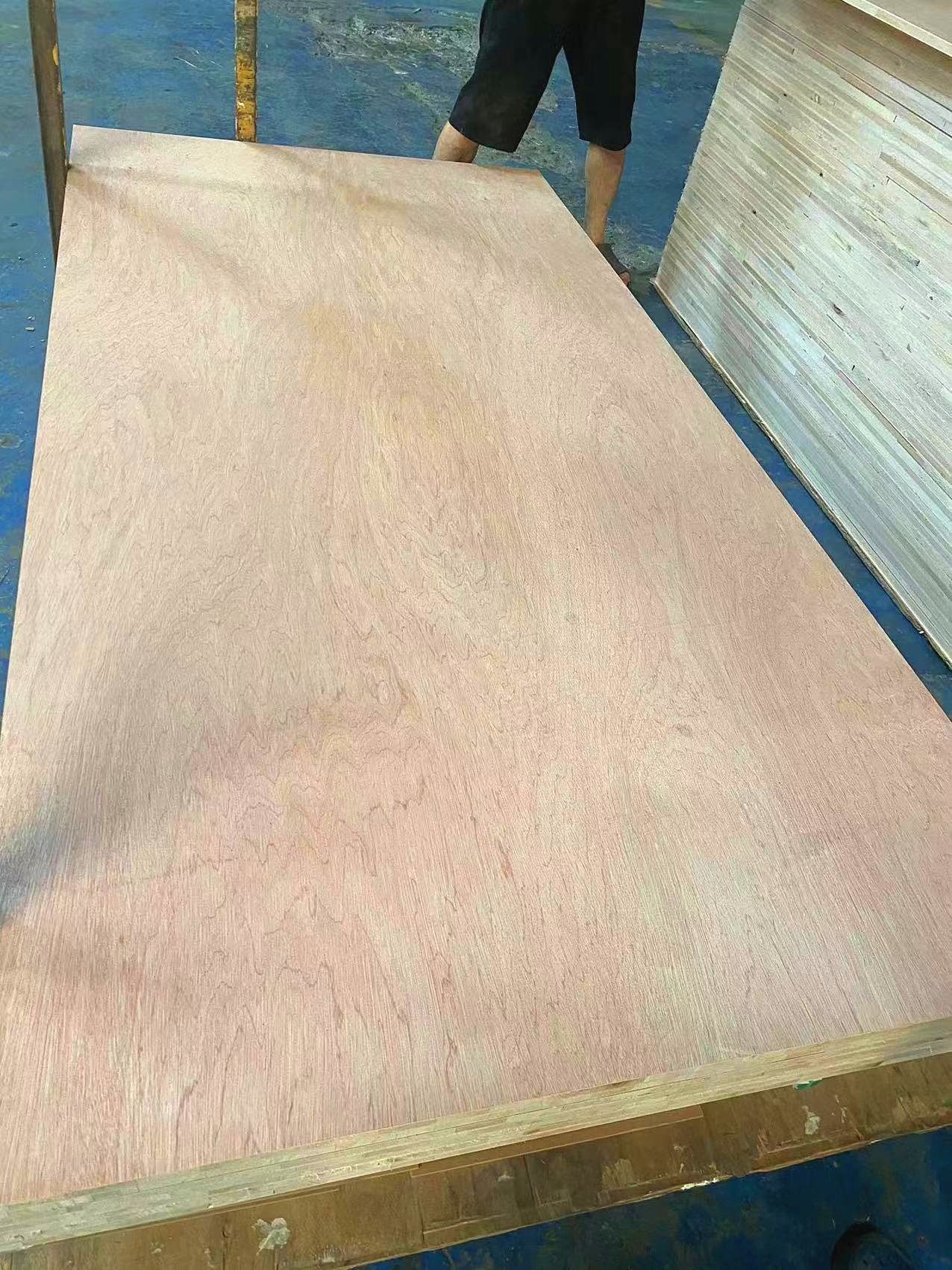
Cost plywood planning stalls most projects at the spreadsheet stage, because no single figure survives contact with different thicknesses, grades, and freight routes. A sheet that costs little per slab can land expensive per usable meter after offcuts and delivery. This guide maps what drives plywood cost, how to read grade labels, and how to compare quotes so the budget holds from drawing to delivery.
Plywood cost follows the raw material, the adhesive, the finishing step, and the logistics route. Log prices move with forestry output and global demand, adhesive follows petrochemical markets, and freight swings with container rates. A supplier quote reflects all four, so a price that looks high today can look cheap after a market move.
Hardwood veneers cost more than softwood faces, and the core species shifts stiffness and weight. Poplar cores machine cleanly and stay light, while hardwood cores add density and screw holding. Buyers who match the species to the job avoid paying for stiffness the application never uses.
Interior glue costs less than exterior or waterproof bonds because the resin recipe and the testing differ. A panel rated for damp and outdoor service carries a price premium, and that premium pays off where moisture threatens. Confirm the bond class on the label rather than assuming from appearance.
Face grades follow a familiar ladder in most markets. Higher faces cost more because the mill loses yield to defects, while lower grades pack structural value at a lower price. The grade changes appearance, not structural capacity, so experts choose the face the job can see and the bond the environment demands.
| Grade | Typical face | Relative cost |
|---|---|---|
| A | Clean, matched faces | Highest |
| B | Sanded, minor patches | High |
| C | Repaired, utility | Mid |
| D | Filled, structural | Lowest |
The table orders the common grades by price. Within the same grade, species, thickness, and bond still move the total, so compare complete specifications rather than a single letter.
Sheet pricing suits retail and small orders where one size is fixed. Per cubic meter pricing reveals the real cost when thickness varies, and per square meter works for cut panels. Ask for two figures on every quote: the per-sheet total and the unit price. The unit price exposes whether a thicker sheet costs proportionally or carries a premium.
Freight changes the picture entirely. An international order priced per sheet can hide the container cost that doubles the landed price. Compare delivered cost, not mill cost, and include packing and insurance in the total before you rank suppliers.
Value comes from matching the grade to the exposure, not from choosing the cheapest board. A utility-grade panel behind a cabinet door saves money; the same panel on a visible shelf disappoints. Spend on the bond class for wet jobs and on the face only where someone sees the result.
Volume changes the unit price because fixed costs spread across more sheets. A full pallet or container lands cheaper per unit than single sheets, and consistent grades across a batch reduce rework. On the other hand, buying volume and letting it sit in damp storage destroys the savings. Order to the job plan, not to the discount illusion.
Timber prices cycle with log supply, construction demand, and freight rates, so a quote has a validity window. Buyers who lock a price early sometimes save against a rising market, and those who wait for a drop can watch the number climb instead. Ask for the validity period on paper and plan the order within it.
Season affects availability as well as price. Peak build demand tightens supply and lifts prices, while quieter months give buyers room to negotiate volume. Budget with a contingency for market movement, and update the figure when the exchange rate moves, because currency swings reprice an international order overnight.
The interior versus exterior split changes the bond class, and the bond class changes the price. Interior panels use a glue that suits dry indoor service, while exterior and waterproof grades use resins that survive wetting and weathering. The difference appears in the label terminology and in the per-sheet price.
Waterproof adhesive recipes cost more to compound, and the panels face stricter testing for delamination and moisture cycling. The mill passes that cost to the buyer, so an exterior sheet costs more than an interior panel of the same size and thickness. For a shed roof, a gate, or any outdoor facing, the premium pays for years of service that interior glue cannot deliver.
Marine and film faced panels sit above standard exterior grades because they combine waterproof bonds with selected veneers and surface coatings. Film Faced Plywood carries a phenolic coating that resists concrete and strips clean in formwork, which explains its higher cost per sheet. Budget these panels only where the exposure or the wet stripping cycle justifies the premium.
Dry indoor furniture, cabinetry, shelving, and decorative panels never need the waterproof premium. An interior bond holds for decades at a controlled humidity, and the saved cost goes into a better face or a stronger core. Match the bond to the environment, not to a habit of always buying the toughest option.
Delivery and storage add costs that never appear on the mill invoice. A sheet travels from the factory to the port, across a container, then to a warehouse, and each leg carries a charge. Panels that arrive damp or damaged consume replacement time, so transport packaging and moisture protection belong in the budget.
Edge protectors, pallet strapping, and moisture wrapping defend the sheets against handling and humidity. A cheap quote with light packing can land with chipped edges and a higher real cost. Track the delivered cost, not the quoted cost, when you compare suppliers, and add freight, insurance, packing, customs, and local delivery to every number.
A stored stack left flat on concrete pulls moisture, warps, and rejects paint. Raise the sheets on dunnage, keep them under cover, and separate wet panels from dry ones. A supplier who packs properly and ships reliably often wins even with a higher board price, because the arrival quality protects the budget.
In practice, the buyers who keep plywood cost predictable do one thing consistently: they update the estimate when the exchange rate moves and recheck the quote before the container ships. Small corrections beat a painful surprise at the payment stage. The delivered price, compared on the same lines, is the only number that matters.
These are the questions buyers raise most when budgeting plywood.
Log supply, freight rates, and exchange rates have pushed many markets upward. The movement is usually temporary, and quotes reflect the current combination of inputs.
Utility faces like C and D cost least because the mill accepts visible defects. They suit structural and hidden work where appearance does not matter.
Generally yes, per sheet, because it consumes more veneer and glue. Check per cubic meter to see whether the added thickness is priced fairly.
Usually yes on the unit price, because freight and handling spread across more sheets. The saving disappears if the stock sits unused or stored damp.
Put both on the same spec lines: size, sanded thickness, face grade, bond, and delivery point. The price difference means something only when the specs match.
Write the budget in this order: sheet count from the cutting layout, matched specifications across suppliers, delivered cost including freight and packing, then a validity window on the quote. When a cheap sticker from another market looks too good, compare the delivery point and the grade before the invoice. For panels that arrive flat and consistently graded, HYY quotes current market rates with the delivery terms on the sheet, and the Commercial Plywood page shows the grade range for honest budgeting. The complete plywood range helps you total a real order before the market moves again.