Our Location
5th Floor, Huake Center, Lanshan District, Linyi City, Shandong Province, China

5th Floor, Huake Center, Lanshan District, Linyi City, Shandong Province, China
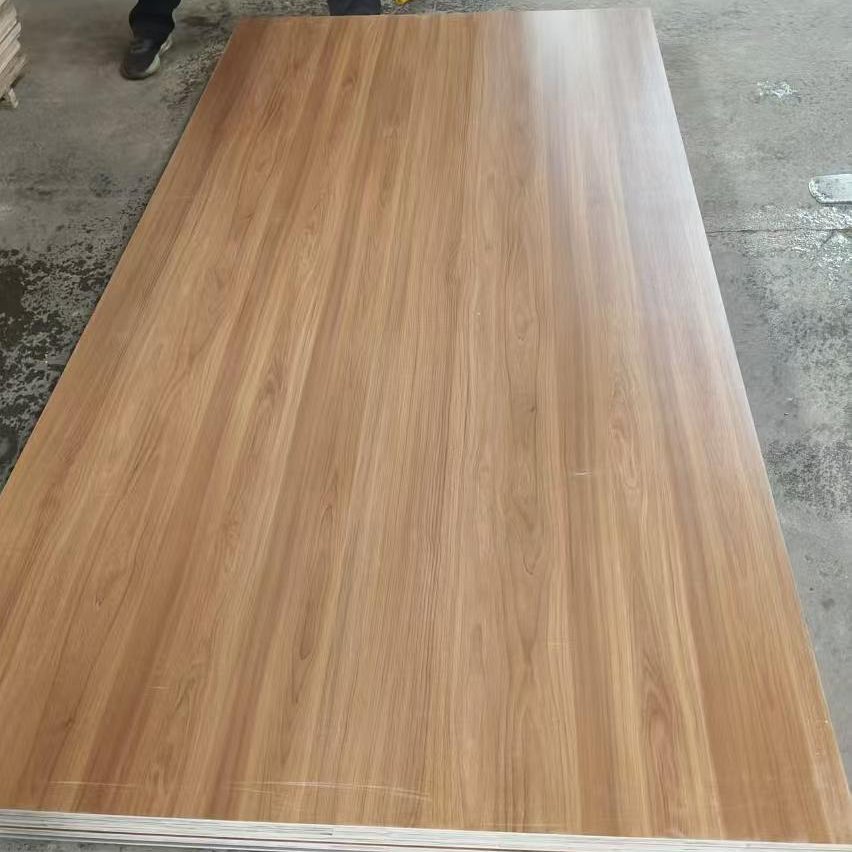
Buyers searching for 15mm plywood usually draw a metric sheet for furniture, subfloor, or light structural work, and the honest size differs from the number on the packing slip. A 15mm panel typically measures 14.5 to 15 mm after sanding, and that difference matters in dadoes, euro hinges, and flat assembly. This guide covers what 15mm plywood actually is, where it wins, and how to specify it so the order matches the drawing.
15mm plywood sits between 12mm panels and 18mm structural boards in the metric range, and factories press it from three to five cross-bonded veneer plies. Manufacturers sand the faces after pressing, so real thickness lands closer to 14.5 mm for a sanded sheet. The nominal size works as an ordering label, not as a guarantee for tight joinery.
Ply count changes stiffness more than most buyers expect. A five-ply 15mm sheet resists sagging better than a three-ply panel of the same thickness because more cross-bands spread the load. Core species also moves the price: poplar cores machine cleanly and stay light, while hardwood cores add density and holding power for screws and hinges.
Face sanding removes roughly 0.3 to 0.8 mm from each panel, which explains the gap between nominal 15 and measured 14.5 mm. Cut-to-size suppliers often quote on nominal thickness while the finished part runs thinner. Always confirm the sanded dimension when the design relies on a tight fit.
The practical rule for joinery is simple: measure the delivered panel before cutting the dado, not after. A 15mm drawer bottom assembled into a 14.5mm groove leaves a visible gap, and the fix costs more than the original panel.
The panel earns its place anywhere engineers need a flat, stable sheet without the weight of 18mm construction board. Furniture carcasses, cabinet backs, drawers, shelving, and finished interiors all accept 15mm comfortably, and the same sheet covers subfloor and wall board work in lighter framing.
Cabinet shops choose a 15mm veneer panel for carcasses and then edge the cut ends, because the exposed core drinks moisture and swells. A Melamine Plywood face replaces painting where panels stay visible, and the smooth surface resists scuffs in daily use. For drawer bottoms and backs, a 15mm sanded utility sheet keeps weight down and joins cleanly.
On 400 to 600 mm joist spacing, 15mm structural plywood carries standard residential floor loads without complaint. Builders step down to this thickness for screed pads, underlayment, and temporary decking, and they move back up to 18mm when spans grow or heavy appliances land on the floor. The grade, not the thickness alone, decides what the panel can hold.
That list turns an abstract thickness into a buying decision. Match the face and bond to the exposure, and 15mm covers most interior work and light outdoor jobs.
15mm plywood handles everyday residential loads but finds its limit under heavy point loads and wide spacing. A shelf spanning 600 mm holds books and tools fine; the same panel across 900 mm sags under the same weight. Structural capacity tracks the frame, so the framing inside the build matters as much as the sheet.
Consequently, engineers keep three numbers in mind when they substitute 15mm for thicker board: span, load, and support spacing. Halve the unsupported span and the 15mm panel suddenly carries a far heavier load. Ask the supplier for the load table for the exact grade before you commit the panel weight to a design.
Heavy shelving, garage worktops, mezzanines, and roof decking want 18mm or thicker. A 15mm sheet flexes under concentrated weight, and the flex transfers to joints and fixings. For wet stripping and concrete forms, buyers also move to film faces rather than thicker sanded panels, because the coating does the work that extra thickness cannot.
Face appearance and adhesive bond decide where a 15mm panel belongs more than the thickness does. Sanded faces suit visible work; unsanded structural faces take paint and grip adhesive better. Bond class separates interior panels from exterior service, and every wet or outdoor job needs an exterior or waterproof bond written into the order.
| Use | Best 15mm face | Bond class |
|---|---|---|
| Cabinet carcasses | Veneer or melamine | Interior |
| Drawers and backs | Sanded utility | Interior |
| Subfloor underlayment | Structural sanded | Exterior |
| Concrete formwork | Film faced | Exterior waterproof |
| Outdoor signage | Sanded exterior | Waterproof |
That table condenses the decision: interior furniture gets a clean decorative face, while anything near moisture moves to an exterior or film surface. A Film Faced Plywood variant survives repeated wet service that sanded panels cannot match.
A clear spec prevents the classic supplier defaults: interior bond on an outdoor job, sanded price on a panel meant for framing, or nominal thickness quoted when the order needs a precise millimeter. Start by writing the size, face, bond, grade, and ply count into the order line, then compare quotes line by line.
State 15mm nominal, confirm the sanded dimension in millimeters, and name the face finish. For load-bearing work, add the structural grade and requested bond class. Buyers who request a moisture content range on the packing list avoid the delamination surprises that arrive after sea freight.
The first mistake substitutes 15mm for 18mm in heavy work. The panel flexes under a load it never had the stiffness to carry. The second error skips edge sealing on finished furniture, and the raw end grain swells into an uneven edge. The third mistake compares prices across different face grades and bonds, which makes the cheapest number misleading.
Measure thickness at three points and check squareness across the diagonals when the container opens. A tapered sheet ruins a cabinet run, and catching it at delivery costs nothing compared with reworking fabricated parts.
How the factory packs and the warehouse stores a 15mm sheet decides more of its final quality than the press does. Panels stored flat on concrete pull moisture from the slab, warp at the edge, and reject paint. Raise the stack on timber dunnage, keep it under cover, and lay heavy panels flat until the job uses them.
Keep the supply chain honest about humidity: ask for the moisture content reading on the packing list and recheck it after the container opens. A sheet measured at the mill can gain or lose a point during sea freight, which shifts dimensions and warp risk. For long jobs, store panels inside and let the moisture settle to the site condition before you cut joinery.
These are the questions buyers raise most when selecting 15mm panels.
Sanded panels measure roughly 14.5 to 15 mm, while unsanded sheets can run at or slightly above nominal. Always confirm the millimeter figure on the spec, because sensitive joinery uses the measured number.
For standard kitchen carcasses and shelving on close supports, yes. Wider spans, heavy pot drawers, and load-bearing walls benefit from 18mm structural board.
On 400 to 600 mm centers with a structural grade and exterior or better bond, it works for residential loads. Wider joist spacing calls for thicker board.
Light and one-time forms accept it, but repeated concrete pours need film faced panels designed for wet stripping. Film faces release clean and survive the cycle better than sanded sheets.
A standard 1220 x 2440 mm softwood sheet runs roughly 17 to 20 kg depending on species, moisture, and core. Weight drives freight and handling, so confirm it when budgeting a large order.
Write the specification in this order: choose the face, set the bond for the exposure, confirm ply count, agree the millimeter thickness, then compare quotes on matching lines. Moisture content shifts during sea freight, so request the reading on the packing list and recheck it after the container opens. For a reliable 15mm source inside dry interior work, start with HYY and let the spec drive the quote. Browse the complete plywood range on the catalog page for matched faces and grades in one place.